Why CarPlay Ultra Could Redefine In-Car Connectivity for Luxury Automakers
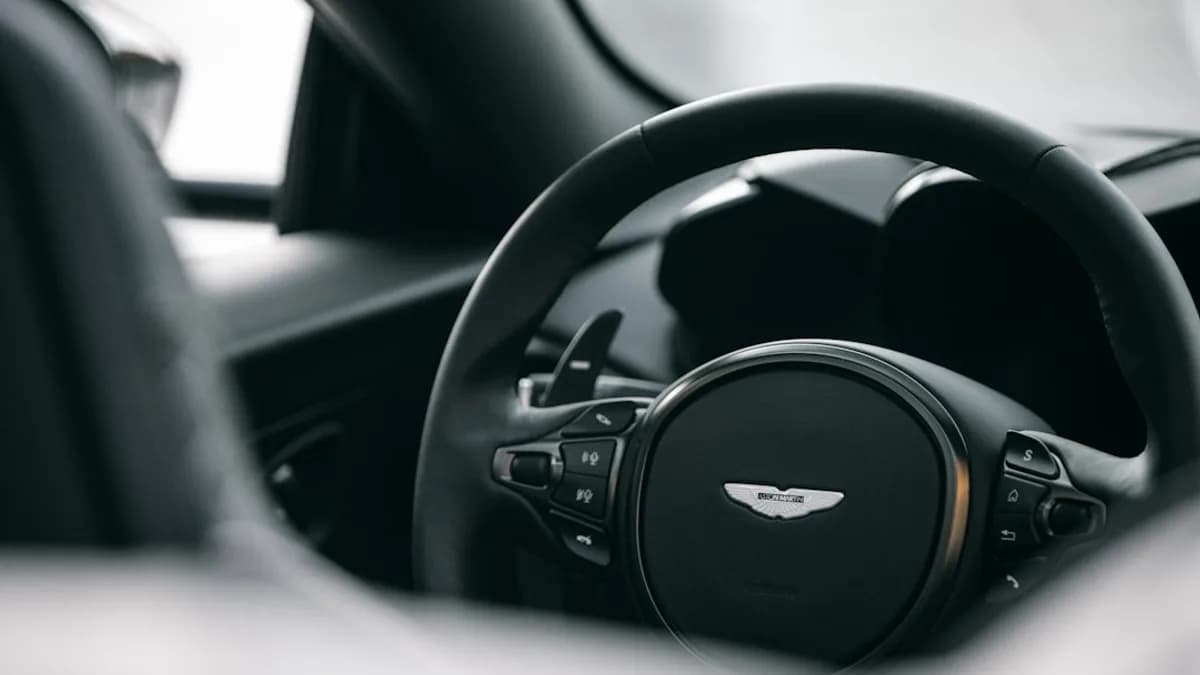
Apple’s CarPlay Ultra isn’t just another dashboard facelift—it’s a calculated move to pull luxury car brands deeper into its orbit. By choosing Aston Martin as the launch partner, Apple signals a pivot: it’s targeting the segment where driver experience is a status symbol, not just a tech upgrade. The new platform doesn’t merely mirror an iPhone screen; it rearchitects the nerve center of the car, plugging into climate controls, seat settings, navigation, and more. This level of integration turns the car into an Apple device on wheels, giving Cupertino unprecedented control over the in-cabin experience.
Unlike the original CarPlay, which functioned as an app layer atop the car’s own interface, Ultra embeds itself so thoroughly that the lines between carmaker and Apple blur. The implications go beyond entertainment. Automakers historically guarded their proprietary systems, wary of ceding real estate to Silicon Valley. Now, Apple is offering them a trade: let CarPlay Ultra run the show and gain access to a user base conditioned to expect seamless software, regular updates, and the kind of polish that sells phones by the millions. According to 9to5Mac, the rollout is not just a technical milestone—it’s a strategic gambit aimed at reshaping who truly owns the luxury driving experience.
This push to co-own the dashboard disrupts how carmakers differentiate their products. For luxury brands, the integration isn’t just about convenience. It’s about aligning with Apple’s brand cachet, which, in this market, can be as valuable as horsepower or leather trim.
Quantifying CarPlay Ultra’s Market Penetration: Current and Upcoming Vehicle Models
Aston Martin owners in the US and Canada are first to get CarPlay Ultra, but Apple’s ambitions don’t end there. The deployment started in May 2026, targeting models like the DB12 and Vantage, both of which have sticker prices north of $200,000. Apple is betting that the early adopters—those who buy high-end cars—will serve as influencers within the automotive space, accelerating demand among other luxury marques.
The next wave is rumored to include Porsche, Mercedes-Benz, and BMW, with flagship models such as the Porsche Taycan, Mercedes S-Class, and BMW 7 Series likely candidates for Ultra integration. Industry chatter suggests that Apple is negotiating with these brands to embed Ultra not as an optional feature, but as the default interface for new models launching in late 2026 or early 2027. If those deals close, CarPlay Ultra could reach tens of thousands of new drivers within months.
Globally, the luxury car segment sold about 2.2 million units in 2025, with North America accounting for roughly 27% of that volume. If Apple lands partnerships with three or four top brands, it could control the digital cockpit of nearly 500,000 vehicles annually within two years—an order of magnitude larger than its current CarPlay reach in premium cars. That’s a scale that rivals what Google managed with Android Automotive, but Apple’s integration is deeper and more exclusive.
The wildcard is whether mainstream automakers will follow. For now, Apple’s laser focus on luxury cars is driven by higher margins, a more tech-savvy customer base, and less resistance to external innovation. But if Ultra proves indispensable, expect brands like Lexus or Cadillac to join the party by 2027.
Diverse Stakeholder Perspectives on CarPlay Ultra’s Impact in the Automotive Ecosystem
Automakers face a dilemma: integrate CarPlay Ultra and risk diluting their own brand identity, or double down on proprietary systems and risk irrelevance. Executive interviews from Mercedes and BMW hint at internal debates—marketing teams love the Apple halo effect, but engineers worry about losing control over diagnostics, data, and future upgrades. A Mercedes product lead recently told Reuters that the company is “balancing integration with Apple against our own software roadmap,” underscoring the tension.
Consumers, meanwhile, are voting with their wallets. Surveys from J.D. Power show that 61% of luxury car buyers consider smartphone integration “very important” when choosing a vehicle, up from 44% just three years ago. CarPlay Ultra’s promise of personalized profiles, remote updates, and deep vehicle control is likely to widen this gap. Early feedback from Aston Martin drivers points to improved usability and fewer glitches compared to the brand’s native interface.
Competitors aren’t sitting idle. Google has accelerated its Android Automotive push, recently signing deals with Volvo and Ford for deep system integration. Industry analysts warn that Apple’s growing foothold could spark a “platform war,” forcing carmakers to pick sides or risk fragmenting their user experience. Some are concerned about data ownership; Apple’s privacy-centric pitch contrasts with Google’s data-hungry approach, potentially influencing which brands opt for which platform.
The consensus among industry observers: CarPlay Ultra is forcing automakers to rethink their software strategy. Some will embrace Apple, others will resist, but none can ignore the shift.
Tracing the Evolution of CarPlay: From Basic Interface to Ultra-Integrated System
CarPlay’s original incarnation in 2014 was a glorified phone mirror—calls, messages, music, maps, all confined to a rigid UI overlay. The system ran atop whatever infotainment quirks the automaker designed, leading to uneven performance and limited reach. By 2022, Apple had teased a more ambitious vision at WWDC: a platform capable of controlling HVAC, seat settings, and even the instrument cluster.
The road to CarPlay Ultra has been marked by incremental advances. In 2023, Apple rolled out wireless CarPlay to select BMW and Honda models, cutting the cord but still stopping short of full integration. By 2024, the company added limited access to vehicle sensors, allowing for real-time tire pressure and fuel data. But Ultra, finally launched in 2026, is the first version to offer end-to-end control—rendering not just the infotainment screen but every digital display in the car.
Technologically, Ultra leverages Apple’s custom silicon and secure enclave frameworks, allowing for remote updates and personalized user profiles stored in iCloud. This mirrors broader trends in automotive software, where brands like Tesla treat the car as a connected device, not a closed system. The difference is that Apple’s ecosystem is bigger, more standardized, and tied to the iPhone’s massive install base.
The shift to Ultra marks a turning point. Cars are no longer just hardware with software tacked on—they’re software platforms with hardware attached. Automakers who miss this pivot risk falling behind, as consumers increasingly demand the kind of seamless integration they expect from their phones and laptops.
What CarPlay Ultra Means for Drivers and the Automotive Industry’s Future
For drivers, CarPlay Ultra brings a new level of customization and convenience. Profiles move seamlessly between vehicles, letting users carry their preferences—seat position, climate, navigation history—wherever they go. Safety gets a boost: Ultra’s integration with sensors and cameras enables real-time alerts, adaptive cruise control adjustments, and even preemptive braking tied to Apple’s AI-powered hazard detection.
Automakers are forced to rethink how they design and monetize software. If Apple owns the UI, options like digital upgrades, subscription features, and aftermarket app stores could shift from carmakers to Apple’s App Store model. This threatens traditional revenue streams but opens the door to new business models—think in-car commerce, premium Apple services, or bundled subscriptions.
Brand loyalty is at stake. The old formula—engine specs, badge, and styling—now competes with the promise of a best-in-class tech experience. Partnerships with Apple could become a major differentiator, especially among younger buyers. The risk is that cars become commodities beneath Apple’s software layer, eroding distinctiveness unless automakers find creative ways to maintain their own identity within Ultra.
Aftermarket players will feel the squeeze. With Apple controlling more of the interface, third-party hardware and apps may lose relevance, forcing adaptation or exit. Dealers and service networks could see reduced demand for retrofits and upgrades that Ultra now delivers natively.
Forecasting CarPlay Ultra’s Role in Shaping Next-Generation Connected Cars
Expect CarPlay Ultra to expand rapidly across luxury brands, then trickle down to premium and mainstream segments. By 2028, Apple could have Ultra installed on over 1 million vehicles per year if current partnership trends hold. European and Asian automakers are likely to join, driven by consumer demand and competitive pressure from Google. Markets like China and Germany, where tech adoption is high and automotive innovation is a national priority, are prime targets.
Future features will probably include deeper integration with Apple’s ecosystem—think Apple Pay for tolls and parking, Apple Music spatial audio tuned to the car’s acoustics, and even AR overlays on the windshield synced with navigation. Apple may also explore partnerships with automakers for exclusive features, such as custom Siri voice commands tied to brand-specific functions or advanced driver-assist modules powered by Apple’s AI.
As the battle for the dashboard heats up, expect Apple to push for standardization, making Ultra the default interface across brands and geographies. This could force automakers to cede more control but guarantee a smoother experience for drivers. The broader trend: the car as a node in the digital lifestyle, where software updates, data sharing, and personalized services drive value as much as horsepower or luxury trim.
The most likely scenario? By 2030, Apple and Google will dominate the cockpit, and automakers will have to decide: compete on software, or compete on hardware. Those who adapt fastest could capture a new breed of brand loyalty; those who resist will see tech partners shape the future of mobility. For investors, watch for deals between Apple and Japanese or Korean automakers in 2027—these could be the tipping point for Ultra’s global expansion.
Impact Analysis
- CarPlay Ultra could shift control of the luxury in-car experience from automakers to Apple.
- Deeper integration may influence future partnerships between tech companies and car manufacturers.
- Luxury brands adopting CarPlay Ultra might reshape how vehicles are differentiated and marketed.