Why Apple’s Record-Breaking March Quarter Signals More Than Just Strong Sales
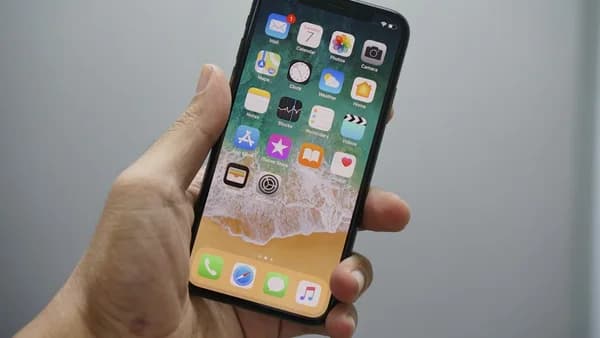
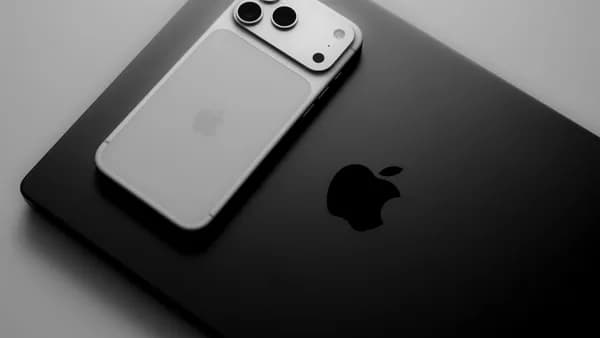
Apple didn’t just post impressive numbers—it shattered its own benchmarks with a March quarter that signals a strategic inflection point, not merely a short-term windfall. Double-digit growth in every geographic segment, as outgoing CEO Tim Cook highlighted, points to a far-reaching surge, not just a U.S.-centric bump. That’s rare: global tech demand has been uneven since 2022, with China and Europe often lagging. Apple’s results suggest it’s sidestepped those headwinds, likely due to the iPhone 17 lineup and new launches like the iPhone 17e and MacBook Neo, both designed to capture price-sensitive markets.
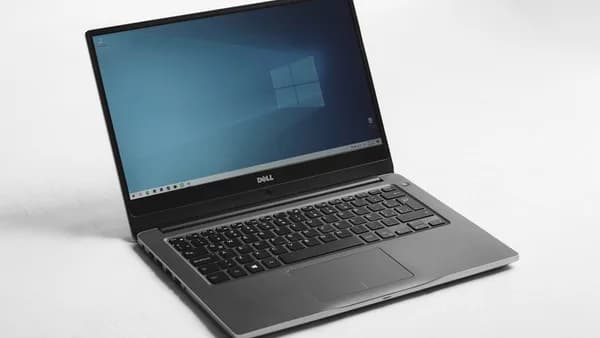
The introduction of the entry-level MacBook Neo is especially telling. Apple historically shunned the low-cost laptop segment, betting on premium margins. By moving aggressively into affordable hardware, Apple is gunning for volume—an approach it rarely takes, but one that aligns with how supply constraints are now a mark of success. Cook admitted on the analyst call that demand for both the iPhone 17e and Mac Neo has outpaced supply, a double-edged sword: on one hand, it proves the products are resonating; on the other, it exposes Apple to lost sales and margin compression if shortages persist.
The supply bottleneck isn’t just about chips—it’s about the advanced memory tech that powers AI and other features. Apple’s ability to manage this will determine whether these record numbers are a blip or the foundation for sustained dominance. As Fast Company Tech reports, Apple’s momentum reflects not just product appeal, but strategic adaptation in a market where supply is the new battleground.
Crunching the Numbers: Deep Dive into Apple’s Q2 Financial Performance and Market Expectations
Apple’s numbers this quarter weren’t just strong—they outpaced Wall Street’s already bullish forecasts. Earnings came in at $29.58 billion, up 22% from last year. Revenue hit $111.18 billion, marking a 17% year-over-year jump, easily beating analyst consensus of $109.46 billion. Apple’s per-share earnings of $2.01 exceeded FactSet’s expectation of $1.95, a gap that matters: this isn’t a rounding error, it’s a sign Apple is squeezing more profit out of its operations even as costs rise.
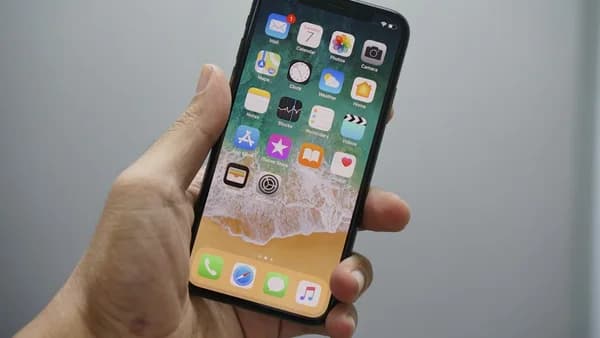
The iPhone remains the engine, contributing $56.99 billion—more than half of total revenue. That’s not just inertia; Apple’s ability to drive record iPhone sales in a supposedly saturated market upends the narrative that growth would plateau post-pandemic. The iPhone 17 lineup, with its new lower-priced 17e variant, is capturing buyers who might have opted for Android alternatives.
But the headline figures mask a looming challenge: memory costs jumped this quarter and are expected to climb further. Cook was blunt about the impact, warning analysts to expect “significantly higher” memory costs. This is a sector-wide issue, sparked by AI demand for high-performance memory chips. As Direxion’s Jake Behan put it, Apple, despite its supply chain prowess, “can’t fully escape the memory squeeze.” That’s a threat to margins; even if revenue keeps rising, profitability may take a hit if Apple can’t pass costs onto consumers or find new efficiencies.
Apple’s ability to beat expectations in the midst of these challenges is a testament to its operational discipline—but the margin story will be the key metric to watch next quarter. If memory inflation accelerates, Apple’s margin guidance may turn from bullish to cautious. For more on Apple's financial outlook, see Apple’s Q1 revenue beat may bolster market cap race against Nvidia.
Navigating Leadership Change: What Tim Cook’s Departure Means for Apple’s Future Strategy
Tim Cook’s exit isn’t just a personnel change—it’s a tectonic shift in Apple’s strategic DNA. Over 15 years, Cook transformed Apple from a cult product innovator into a global logistics and supply chain powerhouse. Under his watch, Apple’s market cap ballooned by $3.6 trillion, propelled by the iPhone’s dominance and his relentless focus on operational excellence. He turned Apple into a cash machine, with record profits quarter after quarter.
John Ternus, the incoming CEO, isn’t a household name outside tech circles, but his track record inside Apple is formidable. As head of hardware engineering, he oversaw the shift to Apple silicon—arguably Apple’s most ambitious technical pivot since the original iPhone. Ternus is known for his engineering rigor, not his marketing flair, which signals a possible shift toward deeper hardware integration and technical innovation, rather than splashy product launches.
Cook’s transition to executive chairman is a classic Apple move: maintain continuity, avoid the perception of turmoil. Investors, so far, seem unfazed, with Apple shares holding steady after the announcement. The smooth handoff, combined with record results, has soothed nerves—but the real test will come when Ternus faces his first major crisis or product flop.
There’s a risk that Apple’s culture—famously secretive and tightly controlled—could shift. Ternus’s hardware-first perspective might accelerate moves into devices like AR/VR or AI-powered wearables, but could also deprioritize services, where Apple has quietly built a $80+ billion revenue stream. Investors will be watching closely: any sign that strategic discipline slips could spark renewed volatility.
Artificial Intelligence at Apple: Balancing Innovation, Privacy, and Market Expectations
Apple’s AI story is less about headline-grabbing features and more about threading the needle between privacy, usability, and industry pressure. While rivals like Google and Microsoft flaunt their generative AI advancements, Apple has been conspicuously quiet—delaying its promised Siri overhaul, and only teasing “personalized” AI enhancements.
Cook’s comments suggest Apple is positioning AI as an invisible layer: “intelligence that is fast, personal and private.” This is a strategic differentiator. Rather than chasing splashy chatbot launches, Apple is weaving AI into device experiences—improving battery life, camera capabilities, and on-device security without exposing user data to cloud-based inference engines.
But this approach has its costs. AI-driven demand for advanced memory is inflating supply chain expenses. Apple’s warning about “significantly higher” memory costs isn’t just an internal issue—it’s a symptom of industry-wide pressure as AI workloads strain global chip production. For Apple, which has traditionally squeezed suppliers for better pricing, the tables are turning. For insights on how AI is transforming industries, see 7 ways AI is being used at work by everyone from teachers to marketing professionals.
The delayed Siri revamp is a sore spot. As competitors tout hyper-personalized assistants, Apple’s lag could erode its leadership in smart home and voice interfaces. Yet if Apple manages to roll out its new Siri with a privacy-first architecture, it could set a new industry standard—especially as regulators in Europe and the U.S. begin scrutinizing AI data practices.
Apple’s AI integration strategy may not win headlines, but it could win consumer loyalty—especially among users wary of privacy risks. That’s a bet on differentiated value, not just feature parity.
Multiple Perspectives on Apple’s Current Position: Investors, Analysts, and Industry Experts Weigh In
Investors are betting that Apple’s strong numbers and smooth leadership transition will stave off volatility. The stock’s muted reaction post-earnings suggests confidence: Apple’s operational discipline is expected to survive Cook’s departure. Analysts, however, are warning that supply constraints and memory inflation could bite into margins. Direxion’s Jake Behan called it a “real AI-driven supply crunch,” and others echo concerns about Apple’s ability to pass on costs without eroding market share.
Industry experts are split on Apple’s AI strategy. Some argue that Apple’s privacy-first, device-centric approach is a savvy hedge against regulatory risk and consumer backlash. Others worry that Apple risks falling behind in the AI arms race, especially as rivals roll out new features at breakneck speed.
Market expectations are high: Apple must sustain growth while managing supply chain headaches and navigating leadership change. If Ternus can deliver on hardware innovation and steer Apple through memory inflation, analysts believe Apple can maintain its premium valuation. But any stumble—especially on AI or supply chain execution—could trigger a sharper correction.
From Steve Jobs to Tim Cook: How Apple’s Leadership Evolution Shaped Its Market Dominance
Apple’s journey from Steve Jobs to Tim Cook is a study in how leadership shapes corporate destiny. Jobs was the visionary, launching products that defined categories—iPod, iPhone, iPad. His genius was disruptive innovation: betting the company on radical new devices, sometimes against all odds.
Cook, by contrast, mastered scale. He turned Apple’s supply chain into a fortress, ensuring that every launch hit shelves worldwide, almost simultaneously. Under Cook, Apple expanded into services, grew its global footprint, and maintained relentless profitability—even as rivals struggled with logistics and product delays.
Strategically, Jobs prioritized breakthrough hardware; Cook emphasized operational excellence and incremental innovation. Key milestones under Cook—like the shift to Apple silicon and the launch of Apple Watch—showed the company could innovate without betting the farm.
This adaptability, rooted in leadership style, is why Apple weathered storms like the U.S.-China trade war and pandemic disruptions. The question now: can Ternus blend Jobs’ daring with Cook’s discipline, or will Apple tilt further toward engineering-led, iterative growth?
What Apple’s Q2 Success and Leadership Shift Mean for Consumers and the Tech Industry Moving Forward
Consumers will feel Apple’s Q2 success in product availability and innovation, but rising memory costs and supply constraints could mean higher prices or longer waits for new devices. The aggressive push into affordable hardware—iPhone 17e and MacBook Neo—signals Apple is targeting volume, not just premium segments. If Ternus leans into hardware innovation, expect Apple to double down on device-first AI and possibly expand into new categories like AR/VR or health tech.
Apple’s market strategy may pivot: with Ternus at the helm, hardware could take center stage, potentially at the expense of services. That could spark fresh competition with Samsung, Google, and Chinese OEMs, especially as memory costs squeeze margins industry-wide.
Supply chain challenges won’t vanish. Apple will need to invest in memory procurement, possibly even vertical integration, to offset inflation. The company’s history of squeezing suppliers may not work as well in an AI-driven chip market where scarcity is the rule.
Looking ahead, Apple is poised to shape the next phase of AI integration, not by chasing headline features, but by embedding intelligence across devices in ways that protect privacy and elevate user experience. If Ternus can maintain Cook’s operational discipline while pushing technical boundaries, Apple could extend its dominance. But the margin story is a wild card: sustained memory inflation could force Apple to rethink pricing, product mix, and supplier relationships.
The most likely scenario: Apple will stay ahead in premium and affordable segments, but its ability to maintain record margins will depend on how it solves the memory crunch and delivers on AI innovation—especially with regulators and consumers demanding more transparency and privacy. The leadership handoff will either cement Apple’s operational legacy or mark the start of a new, riskier era. The stakes have never been higher.
Why It Matters
- Apple's record-setting quarter signals the company's ability to drive growth even in challenging global markets.
- The strategic shift toward affordable hardware could reshape Apple's market position and competitive dynamics.
- Supply chain management will be crucial as high demand creates both opportunities and risks for Apple's future growth. For more on hardware pricing impacts, see Apple raises the Mac Mini’s starting price.