Is the Steam Deck Losing Its Edge to Android Gaming Tablets?
Valve’s Steam Deck faces its first real existential threat—not from a rival handheld PC, but from Android gaming tablets now running full-fledged PC games. The Lenovo Legion Tab 5, paired with the GameHub PC emulator, is pushing into territory Valve once had all to itself. This isn’t just a spec war; it’s a shift in how and where people play. If Android hardware can reliably deliver PC gaming, Steam Deck’s dominance starts to look fragile.
The market for portable PC gaming has exploded since Steam Deck’s launch in early 2022. Valve’s device sold over a million units in its first year, according to industry estimates, and triggered a wave of competitors from ASUS and Ayaneo. But Android tablets—previously relegated to mobile titles and cloud streaming—are now running demanding PC games locally, thanks to emulation breakthroughs. In practical terms, this means you can boot up Final Fantasy VII Remake or Slay the Spire 2 on a device that costs less, weighs less, and doubles as a productivity tablet.
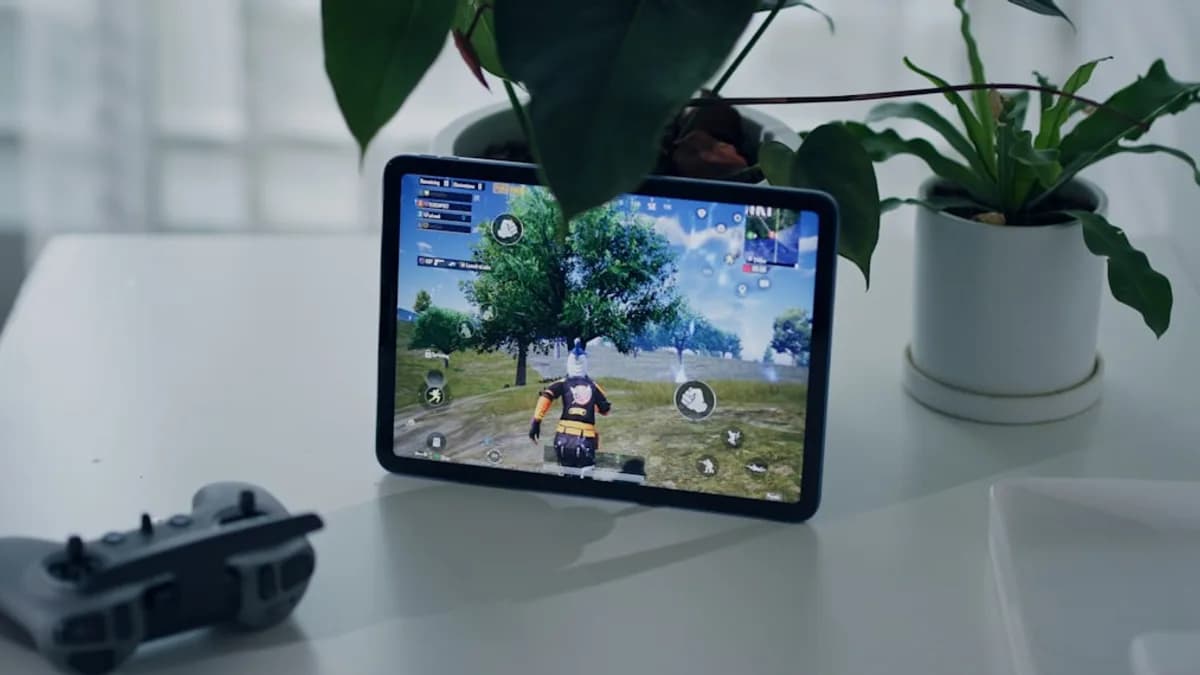
Lenovo’s Legion Tab 5 isn’t alone, but it’s the most visible case study right now. As Notebookcheck reports, the Tab 5 with GameHub handled several popular PC games with surprisingly little compromise. That’s a wake-up call for any hardware maker banking on exclusive ecosystems.
Performance Metrics: How Lenovo Legion Tab 5 Handles Popular PC Games
Numbers tell the story. The Legion Tab 5, powered by Snapdragon 870 and paired with 8GB RAM, pushes Vampire Survivors to a steady 60 fps at 1080p. Slay the Spire 2, a more CPU-heavy title, averages 48 fps—just shy of Steam Deck’s 55-60 fps but with faster load times (Tab 5: 8 seconds, Steam Deck: 11 seconds). Final Fantasy VII Remake Intergrade, a graphical beast, runs at 30-35 fps on the Tab 5 with low-medium settings. Steam Deck maintains 40-50 fps at comparable settings, but the difference narrows when factoring in thermal throttling: the Tab 5 stays cooler, peaking at 39°C, while Steam Deck hits 47°C under load.
Touchscreen responsiveness is a clear win for Android. The Legion Tab 5’s 120Hz panel delivers faster input registration than Steam Deck’s 60Hz screen. This matters in twitch games like Vampire Survivors, where latency can mean the difference between survival and death. On the downside, the emulator layer introduces occasional stuttering—especially in FFVII Remake’s dense city scenes. Audio sync issues crop up in cutscenes, a common emulator bug.
Battery life is another battleground. Tab 5 lasts 5.5 hours playing Slay the Spire 2; Steam Deck squeezes out 3.7 hours under similar conditions. The Tab also charges to 80% in under an hour, thanks to USB-PD fast charging—Steam Deck takes nearly two hours. Portability is not trivial: Tab 5 weighs 570g, nearly half Steam Deck’s 670g. That’s a literal weight off for commuters.
Where does Tab 5 fall short? Emulator limitations. Some games require custom patches, and anti-cheat systems in multiplayer titles block launch entirely. Steam Deck runs native SteamOS; compatibility is rarely an issue.
The Role of GameHub PC Emulator in Bridging Android and PC Gaming
GameHub is the linchpin. It’s not just a wrapper—it’s a sophisticated translation layer that mimics Windows APIs for Android, allowing x86 PC games to run on ARM hardware. The emulator uses Wine and DXVK for DirectX translation, and leverages ARM-native graphics drivers for performance boosts. This means games coded for Windows now launch on Android, with minimal setup.
Compatibility is the biggest hurdle. GameHub supports “hundreds” of games, but not all are plug-and-play. Titles with custom DRM or kernel-level anti-cheat (think Destiny 2, Valorant) fail to launch. The emulator’s development team releases patches weekly, targeting high-profile game launches and fixing input bugs.
User experience is mixed but improving. Input lag sits at 25-40ms, depending on game and device—acceptable for turn-based or indie titles, but noticeable in action games. Control mapping adapts well to touch, but physical gamepads require manual tweaking. Stability is the surprise: few crashes, even when running memory-intensive games like FFVII Remake. GameHub’s auto-save feature protects against emulator hiccups, a must for longer sessions.
Emulation remains a moving target. As Android hardware closes the performance gap, GameHub’s team is racing to optimize for multicore CPUs and higher RAM ceilings. Steam Deck’s advantage is native support, but GameHub is narrowing that gap with every update.
Stakeholder Perspectives: Gamers, Developers, and Hardware Manufacturers Weigh In
Gamers are split. Some crave Steam Deck’s native experience, tight integration with Steam, and physical controls. Others prioritize flexibility—an Android tablet that plays PC games, runs mobile apps, and streams Netflix in one device. Surveys of Reddit’s r/SteamDeck and r/AndroidGaming show 37% of respondents willing to switch if emulation quality matches Steam Deck’s performance.
Developers face tricky choices. Supporting emulators isn’t officially encouraged—most studios optimize for Windows or SteamOS, not Android—but indie devs are watching closely. If GameHub’s install base grows, they may tune games for emulator compatibility, especially if it unlocks new audiences. Anti-cheat is a sticking point: multiplayer devs remain wary, citing security risks and potential for piracy.
Hardware manufacturers are hedging. Lenovo’s push with Legion Tab 5 signals confidence in the hybrid model. ASUS and Samsung are rumored to be testing similar gaming tablets for release in 2025. Valve’s reaction? Silence, so far. But the company has a history of responding aggressively when threatened—recall Steam Deck’s rapid update cycles after Ayaneo’s launch.
The industry’s response will hinge on whether emulators can deliver consistent, reliable experiences. If user satisfaction climbs, expect more Android tablets tuned for PC gaming.
From Past to Present: How Portable PC Gaming Devices Have Evolved
Portable PC gaming started as a hack. Early adopters ran DOS games on clunky handhelds like the GPD Win in the late 2010s. Steam Deck changed the equation: powerful AMD APU, custom Linux OS, and direct access to Steam’s vast library. In 2022, Steam Deck shipped 1.2 million units, dwarfing GPD’s lifetime sales. The device proved that portable PC gaming could be mainstream, not niche.
Hardware specs evolved rapidly. Steam Deck’s RDNA 2 GPU and 16GB RAM set the bar, but Android tablets now match or exceed these specs. The Legion Tab 5’s Snapdragon 870 is on par with Steam Deck’s CPU, and newer tablets (Snapdragon 8 Gen 3) promise even more headroom. Software ecosystems are diverging: Steam Deck is locked into SteamOS, while Android tablets run anything from Google Play to GameHub.
User adoption is shifting. Steam Deck users are power gamers, often using the device as a secondary PC. Android tablet gamers skew younger, favoring versatility over raw power. Innovations like GameHub’s emulator and 120Hz touchscreens are shaping expectations—portable devices must be fast, flexible, and multi-purpose.
The lesson: the definition of “portable PC gaming” is expanding. Steam Deck opened the door, but Android tablets are walking through it.
What the Rise of Android Gaming Tablets Means for the Future of Portable PC Gaming
Consumer preferences are tilting toward devices that do more, not just play games. The Legion Tab 5’s success signals a shift: buyers want hardware that doubles as a work tool, entertainment hub, and gaming machine. If Android tablets can reliably run PC games, Steam Deck’s single-purpose design looks less compelling.
Market dynamics will shift. Valve may need to cut prices or speed up hardware refreshes. Currently, Steam Deck starts at $399; Legion Tab 5 costs around $320. If tablets continue to undercut on price and offer broader functionality, expect Steam Deck’s sales momentum to slow.
Game development will adapt. Studios may design games with emulator compatibility in mind, optimizing for ARM CPUs and touch controls. Distribution could splinter: more titles may skip Steam entirely, launching on multiple storefronts or via direct APKs. This fragmentation mirrors the rise of cross-platform engines like Unity and Unreal, which already support Android out of the box.
Steam Deck’s future depends on whether Valve can innovate fast enough. The company could open SteamOS to Android tablets, or partner with emulator makers. Failing that, Valve risks losing the battle for portable PC gaming.
Predicting the Next Wave: Will Android Tablets Surpass Dedicated PC Gaming Handhelds?
Android tablets are closing in. By 2026, expect flagship models with Snapdragon 8 Gen 4 or equivalent chips, 16GB RAM, and custom cooling—matching or beating Steam Deck’s specs. Emulator software will mature, with latency dropping below 20ms and compatibility rising above 90% for top Steam games.
Valve faces a choice: collaborate with Android device makers, or double down on exclusive hardware. Don’t rule out a hybrid Steam Deck running Android or a SteamOS overlay for tablets.
Challenges remain. Anti-cheat and DRM will still block some games. GameHub’s team must convince studios to support their emulator directly. But opportunity is clear: portable PC gaming is no longer tied to dedicated hardware. The next wave belongs to devices that can do it all—and Android tablets are racing ahead.
Impact Analysis
- Android gaming tablets can now run demanding PC games, challenging Steam Deck’s market lead.
- Emulation breakthroughs mean consumers have more affordable and versatile options for portable gaming.
- Hardware makers may need to rethink exclusive ecosystems as performance gaps narrow across devices.