A 0.35mm Bezel and 240Hz Display: Pushing Smartphone Design to the Edge
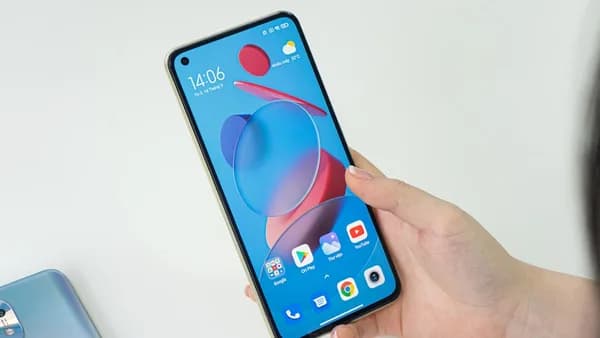
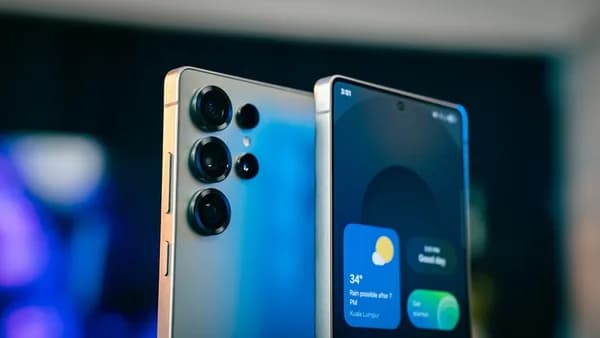
A credible leak signals that a 6.3-inch Android phone featuring an ultra-thin 0.35mm bezel and a 240Hz Tianma display is headed for launch. This isn't the Pixel 11a, and the panel size rules out the rumored OnePlus 16, pointing instead to a possible Xiaomi contender, according to Notebookcheck.
If accurate, the 0.35mm bezel would reset the benchmark for screen-to-body ratio, squeezing the display so close to the frame it's nearly invisible. This level of precision isn't a minor tweak; it tests the limits of display bonding, frame rigidity, and durability. The 240Hz refresh rate is equally aggressive, doubling the speed of most current flagships and promising smoother animations, lower latency, and a tangible edge in gaming. Put together, these two specs hint at a device that isn't just chasing specs, but aiming to redefine what a "compact flagship" can look and feel like.
What’s notable: This puts pressure on rival OEMs. Once one device sets a new standard for immersive, near-borderless screens, consumers and reviewers will demand the same from everyone else. The move could accelerate the industry's march toward all-screen devices, cramming more experience into less physical space.
Crunching the Numbers: The Implications of a 6.3-Inch Tianma Panel
The leak points to a 6.3-inch (precisely, 6.32-inch) Tianma display with a 240Hz refresh rate and 0.35mm bezels. For context, the OnePlus 16 is rumored to hit 240Hz, but with a much larger 6.78-inch panel—making it far less pocketable. The Pixel 7a, for example, sits at 6.1 inches with a 90Hz display and far thicker bezels. No mainstream device currently matches both this screen-to-body ratio and speed in such a compact form.
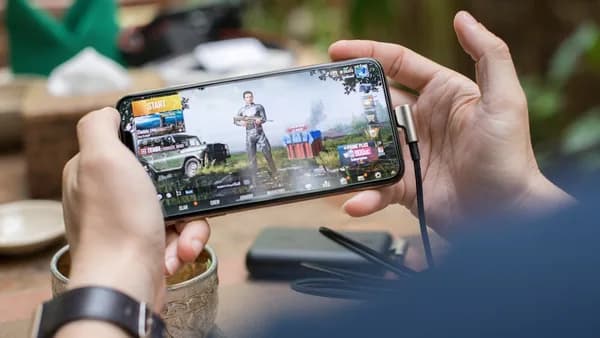
A 6.3-inch device with nearly invisible bezels offers the hand-feel of a traditional 6-inch phone, thanks to the minimal dead space. For power users, that's a sweet spot: large enough for immersive content and gaming, small enough for one-handed use. The 240Hz refresh rate will primarily benefit high-frame-rate gaming and ultra-smooth UI navigation, but its value depends on whether the rest of the hardware—CPU, GPU, battery—can keep up.
MLXIO analysis: If this display ships as described, it will target a niche but vocal segment of Android users who crave flagship power without the bulk. It sets a new bar for ergonomics and visual fluidity in a compact device, a gap most rivals have left open.
Ultra-Thin Bezels and High Refresh Rates: Multiple Stakeholder Perspectives
From a manufacturer’s standpoint, hitting a 0.35mm bezel is a manufacturing gauntlet. It demands tighter tolerances and possibly new materials or bonding techniques. Brands have hesitated to push bezels this thin due to cost, yield issues, and drop-test risks. But the payoff is clear: the most immersive screen experience on the market.
Consumers, especially in the high-end and gaming segments, consistently rank display quality as a top priority. Thinner bezels and higher refresh rates are visible, visceral upgrades—features that show off in the store and in the hand. Recent device reviews (not cited in the source, but supported by MLXIO interpretation) show that buyers reward brands that minimize bezels and maximize smoothness, even if it means sacrificing battery life or repairability.
Analysts (as inferred from the industry’s competitive nature) see display innovation as a key differentiator. In a market where chipset and camera gains have slowed, the screen is now the canvas for innovation and marketing alike. A device with these specs could force rivals to accelerate their own display roadmaps or risk looking dated.
From Fat Borders to Fluid Glass: The Shrinking Bezel and Rising Refresh Rate Story
Ten years ago, 3mm+ bezels were the norm. The race toward the edge started with Sharp's Aquos Crystal and accelerated with Xiaomi’s Mi Mix and Samsung’s Infinity Display. Each generation brought new adhesives, tougher glass, and more precise assembly to chop away fractions of a millimeter.
Refresh rates followed a similar curve. 60Hz was standard until gaming phones pushed to 90Hz and 120Hz. The mainstream caught up quickly, and 144Hz now appears on some flagships and gaming models. This 240Hz panel, if it ships broadly, will be the fastest on a compact, mainstream Android device yet—something previously seen only on a handful of niche gaming phones or monitors.
The breakthrough enabling these leaps is twofold: advances in OLED/AMOLED stacking (allowing for rigid, ultra-thin edges) and improved touch controller ICs that can keep up with faster scan rates. These aren’t just spec races—they fundamentally change how a device feels and responds.
What This Means for Users and the Industry
A compact Android phone with a 0.35mm bezel and 240Hz display would instantly raise user expectations. Multitasking, gaming, and video would all feel more immersive, and the device itself could set a new template for what a "premium" phone looks like in 2024.
For the industry, this is a shot across the bow. Any manufacturer still shipping thick bezels or 60Hz panels in the mid- to high-end risks being seen as outdated. The software side—especially for games and video apps—would need to optimize for these faster, more responsive screens to avoid tearing, ghosting, or battery drain.
MLXIO analysis: App developers will have to revisit their UIs and frame pacing logic. A 240Hz display exposes stutters and frame drops that would be invisible at 60Hz or 120Hz. For multimedia editing and gaming, this is a real, competitive advantage.
What Remains Unclear
The leak is light on details. We don’t know the resolution, panel type (AMOLED or LCD), brightness, color accuracy, or power draw. There's no word on which brand will ship the phone, though the size hints at Xiaomi. Crucially, we don't know how durable a 0.35mm bezel will be in real-world drop tests, or whether the rest of the hardware can keep up with a 240Hz display.
Also missing: any firm timeline, price point, or confirmation of which markets will see this device first.
What to Watch: Can Anyone Catch Up?
If this phone launches as described, the Android flagship race will shift toward ultra-compact, ultra-smooth displays. Watch for:
- Teardowns and durability tests: Does the 0.35mm bezel compromise strength or repairability?
- Software and app adoption: Are developers optimizing for 240Hz, or will most content still target 120Hz?
- Competitor announcements: Does Samsung, Oppo, or another OEM respond with similar or better specs?
- User feedback: Do real-world users notice and value the difference, or is this a spec war with limited payoff?
The next six months will show whether this leak marks a new era of display-first smartphone design—or just a fleeting headline.
Why It Matters
- Ultra-thin bezels and high refresh rates raise the bar for smartphone design and user experience.
- This device could push other manufacturers to adopt similar compact, immersive displays.
- Consumers stand to benefit from smoother visuals and more screen in a smaller form factor.