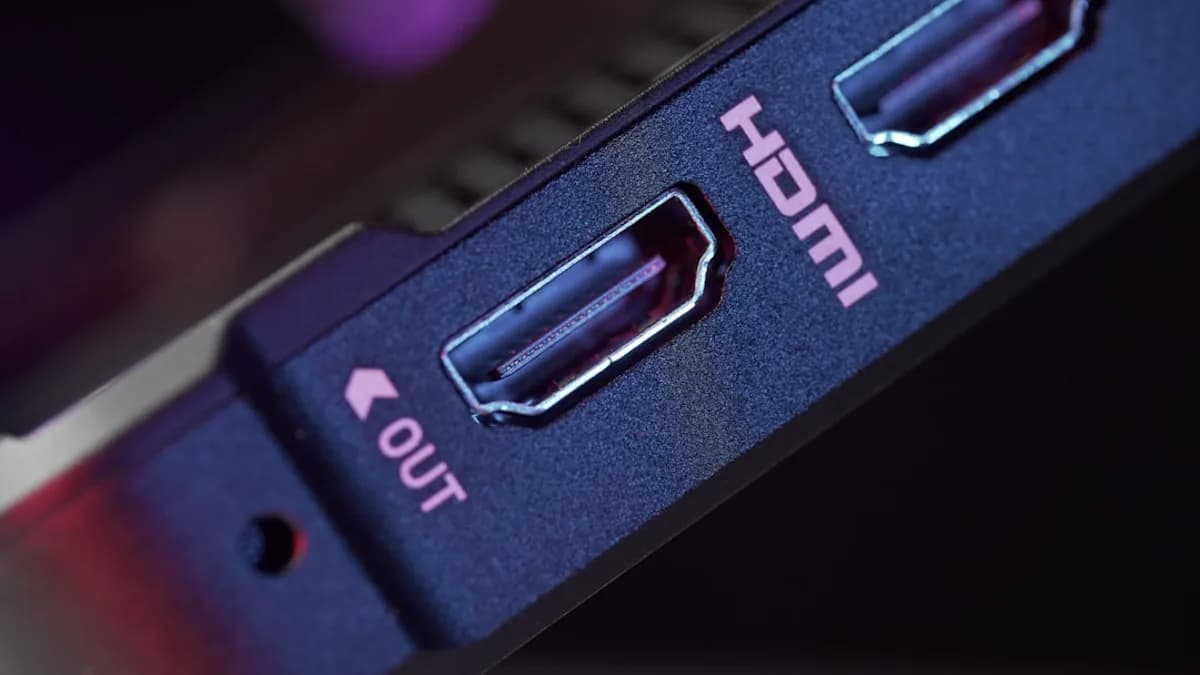
AMD Integrates HDMI 2.1 Support into Linux Drivers, Enhancing Steam Machine Compatibility
AMD just committed to bringing HDMI 2.1’s Fixed Rate Link (FRL) support to its Linux drivers—a long-awaited move that will unlock premium display features for open-source users. The update, announced in new driver submissions, directly targets Steam Machine users, who have waited years for the display parity Windows gamers take for granted. Ars Technica reports Display Stream Compression (DSC) support is next on the roadmap, promising even more bandwidth headroom soon.
FRL is essential for HDMI 2.1, replacing the older TMDS protocol and pushing max bandwidth up to 48 Gbps. That’s the difference between being capped at 4K60 and running 4K120—or even 8K60—on compatible monitors and TVs. For the Steam Machine, which relies on Linux and AMD hardware, this means no more bottlenecks when connecting to premium displays. HDR gaming, variable refresh rates, and ultra-fast response times all become viable, not theoretical.
Until now, Linux users faced a frustrating gap: even high-end AMD GPUs couldn’t deliver full HDMI 2.1 features outside of Windows. With this driver update, the Steam Machine regains its credibility as a living room gaming contender, especially as Valve’s push for open-source hardware continues.
How HDMI 2.1 Support Transforms Linux Gaming and Multimedia Experiences
HDMI 2.1 isn’t just a spec bump—it’s an inflection point for what Linux desktops and Steam Machines can deliver. The jump to 48 Gbps means 4K120 gaming is no longer exclusive to Windows or proprietary console ecosystems. That’s a seismic shift for Linux gamers, who have watched Nvidia and AMD prioritize their Windows drivers for years.
Fixed Rate Link ensures data moves at high speeds without the signal integrity issues that plagued older HDMI versions. For gamers, that means zero compromise on refresh rates or color depth—even on expansive 4K and 8K panels. This isn’t just about gaming: high-res video editing, home theater setups, and even desktop productivity get a jolt from the added bandwidth and display versatility.
Display Stream Compression, coming soon per AMD’s timeline, will further reduce the need for expensive cables or ultra-premium hardware. DSC squeezes more data through the same physical connection, allowing for features like 4K144 or 8K60 over consumer-grade HDMI. That puts Steam Machines back in the conversation as a plug-and-play alternative to consoles—especially for users who want open platforms instead of walled gardens.
This shift also aligns with broader trends: more hardware makers are shipping Linux-first laptops (see the popularity of Framework and System76), and desktop Linux market share quietly hit 4% in 2023, up 1.6x from 2020. HDMI 2.1 support means these users aren’t penalized for picking open source.
Next Steps for AMD Linux Drivers and What Gamers Should Expect
The immediate focus shifts to Display Stream Compression, now slated for a future driver update. Developers and early adopters will push these features through their paces, flagging edge cases and hardware quirks—especially crucial in the fragmented Linux world, where monitors and cables vary wildly.
Valve and its hardware allies can now spec out future Steam Machines with true next-gen display support, removing a key obstacle to mainstream adoption. Other Linux-based gaming projects—like ChimeraOS and the up-and-coming HoloISO—stand to benefit as well, since HDMI 2.1 support arrives at the driver level, not just a single distro.
Gamers should keep an eye on AMD’s driver release channels and kernel mailing lists over the next two quarters. Fast adopters may see quirks as DSC rolls out, but the direction is clear: Linux gaming hardware is closing the gap with Windows, and Steam Machine-class devices are set to become first-class citizens in the premium display world. For anyone betting on open platforms, this is a signal to pay attention.
Impact Analysis
- Linux gamers can now access premium display features like 4K120 and HDR that were previously Windows-only.
- Steam Machine users gain hardware parity with traditional gaming PCs, improving living room gaming options.
- This update signals AMD’s ongoing commitment to open-source platforms and broader hardware compatibility.