Amazfit Launches Cheetah 2 Ultra with 3,000-Nit AMOLED and Longer Battery Life
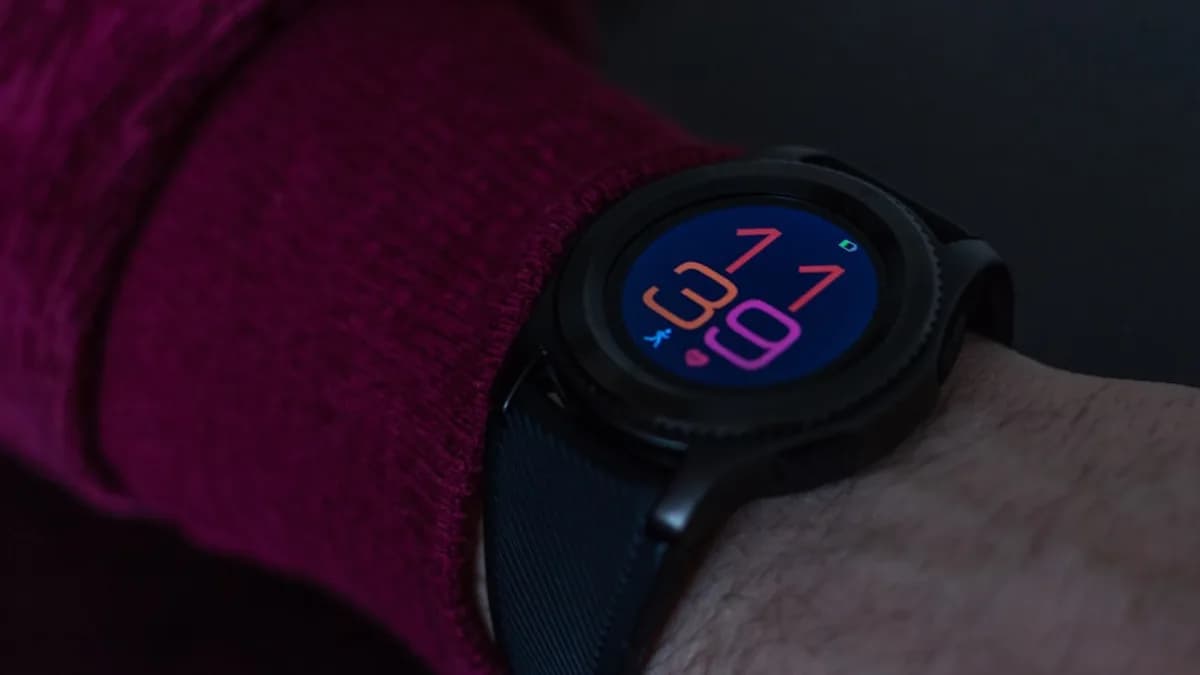
Amazfit just raised the bar on smartwatch displays: the new Cheetah 2 Ultra arrives with a 3,000-nit AMOLED screen—one of the brightest panels on the market—and is available worldwide. The company claims the Ultra outlasts its predecessor, the Cheetah 2 Pro, with 50% longer battery life, while also debuting a faster CPU and a tough grade 5 titanium alloy case, according to Notebookcheck.
Amazfit isn’t releasing an exact battery life figure, but the 50% gain over the Cheetah 2 Pro signals a substantial step up for endurance-focused buyers. The global launch signals Amazfit wants the Cheetah 2 Ultra in the hands of runners, hikers, and endurance athletes everywhere, not just in select markets.
Cheetah 2 Ultra: Display, Durability, and Performance Upgrades
The 3,000-nit AMOLED display is the showstopper. For context, that level of brightness is more commonly seen on flagship smartphones than wearables, and it should make the Ultra far more readable under direct sun than typical smartwatches. The use of grade 5 titanium alloy for the body also vaults the Ultra into premium territory—this material is prized for its mix of low weight and high durability, a practical upgrade for heavy outdoor use.
A faster CPU rounds out the hardware overhaul. While Amazfit hasn't detailed clock speeds or architecture, the company’s positioning of the Ultra as superior to the Cheetah 2 Pro suggests a noticeable performance bump. For users who juggle multiple fitness apps or require real-time health tracking, this may translate to smoother operation and better multitasking.
The 50% battery life increase is the other headline. Battery life is often the Achilles heel of feature-rich smartwatches, so any substantial gain here could make the Ultra more appealing to power users and athletes who can’t afford daily charging.
What’s Still Unclear: Battery Specs, Software Features, and Launch Details
Amazfit’s announcement leaves several details hanging. The exact battery life—whether measured in days or hours—remains unspecified. Without a clear baseline for the Cheetah 2 Pro’s battery, the 50% improvement is impressive but difficult to quantify.
There’s also no information on region-specific availability, pricing, or supported software features. Amazfit hasn’t outlined how the faster CPU will be used, or whether the Ultra will debut any new health tracking tools, third-party integrations, or OS upgrades.
Analysis: The combination of a brighter display, upgraded materials, and a speedier processor checks all the boxes for a high-performance wearable, but the value proposition will depend heavily on price and software polish—two factors missing from the current release.
What to Watch: Global Rollout, Real-World Battery Tests, and Competitive Impact
The next question is how quickly Amazfit will get the Cheetah 2 Ultra onto wrists worldwide, and whether the device’s battery and display live up to the hype in real-world tests. Pricing could be the deciding factor for buyers cross-shopping other premium models in Amazfit’s lineup.
If the Ultra’s hardware upgrades are matched by meaningful software improvements—such as new training tools or advanced health metrics—it could set a new benchmark for feature-rich, durable smartwatches. Until Amazfit reveals more, analysts and buyers will be watching for hands-on reviews, battery benchmarks, and launch details that turn these specs into day-to-day advantages.
Key Takeaways
- The Cheetah 2 Ultra's ultra-bright AMOLED display improves outdoor readability for athletes and active users.
- A 50% increase in battery life addresses a major pain point for smartwatch owners who demand longevity.
- Premium materials and a faster CPU make the Ultra a compelling upgrade for durability and performance-focused buyers.