Why the New Wave of Satellite Startups Is Transforming Space Data and Communications
San Francisco isn’t just minting fintech unicorns—it’s rapidly becoming the launchpad for America’s satellite renaissance. The shift is radical: a handful of startups, armed with advances in microelectronics, software-defined radios, and reusable launch vehicles, are breaking the decades-long government monopoly on space tech. Instead of billion-dollar NASA projects, we now see VC-backed teams creating satellites for a fraction of the price and launching them every month, not every decade.
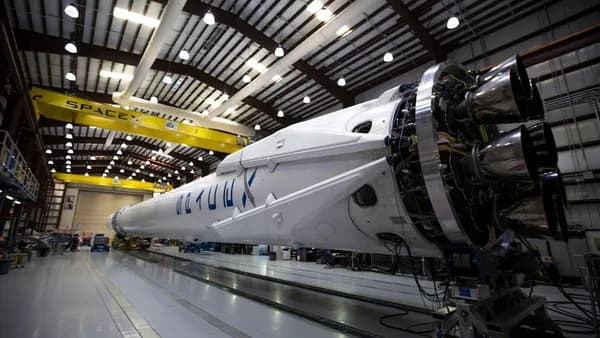
What’s changed? First, miniaturization. CubeSats and smallsats, some smaller than a shoebox, can be built and deployed for under $1 million, compared to legacy satellites costing upwards of $500 million. Second, cheap, frequent launches: SpaceX’s Falcon 9, Rocket Lab’s Electron, and even rideshare programs have slashed costs, letting startups iterate like software firms. Third, cloud-based data processing means satellite imagery and signals can be delivered and analyzed in real time, opening new markets in agriculture, climate, logistics, and security.
San Francisco’s dominance isn’t accidental. The city’s ecosystem integrates hardware, software, and capital, attracting talent from aerospace giants and tech titans alike. According to Wired, satellite startups like Astranis, Planet Labs, and Capella Space are setting the pace, drawing hundreds of millions in funding and promising to democratize access to space-based intelligence. The result: a power shift from government agencies dictating the rules to a private sector racing to monetize space data and connectivity.
Crunching the Numbers: Investment Trends and Market Growth in Satellite Technologies
Venture capitalists are betting big on satellites, and the money is flowing faster than rockets. In 2023, U.S. space startups raised $6.2 billion, with satellite-focused companies grabbing over $2.4 billion—nearly triple their haul five years ago. Astranis’s $250 million Series C, Planet Labs’ $90 million pre-IPO round, and Capella Space’s $60 million raise are just the headline numbers; dozens more startups are scooping up seed and Series A rounds.
Market projections show why investors are circling. The global satellite data and communications sector is expected to hit $58 billion by 2028, up from $26 billion in 2022, according to Satellite Industry Association data. That’s a CAGR north of 13%. Satellite broadband alone, driven by Starlink and its competitors, could reach 500 million subscribers worldwide by 2030—up from fewer than 5 million in 2022.
Adoption rates are surging, especially in sectors starved for reliable connectivity and high-resolution data. Agtech firms use daily satellite imagery for crop monitoring; logistics companies track assets globally in real time; defense agencies demand persistent surveillance and rapid data delivery. The cost per gigabyte of satellite-delivered data has dropped by 60% since 2018, and the time from concept to launch for new satellites now averages just 18 months—a fraction of the five-year timeline that defined the last generation.
Diverse Stakeholders Shaping the Satellite Industry’s Future
Startup founders see satellites as a greenfield opportunity—unexplored territory where software, hardware, and data converge. Their pitch: build faster, launch cheaper, and iterate constantly. Investors, meanwhile, are chasing outsized returns but wary of capital-intensive hardware bets. The best-funded startups are those with clear paths to recurring revenue, such as subscription-based imagery, analytics, or connectivity.
Government agencies haven’t faded into the background. The Pentagon’s Defense Innovation Unit is one of the largest early adopters, contracting with startups for synthetic aperture radar and secure communications. NASA, meanwhile, is increasingly outsourcing Earth observation and weather monitoring to private players. Regulatory bodies like the FCC and ITU are scrambling to keep pace, with spectrum allocation and orbital slot licensing becoming battlegrounds.
On the customer side, demand is broadening. Agriculture customers want daily field-level insights; telecoms seek to fill coverage gaps in rural and remote regions; logistics firms use satellites for asset management and route optimization; defense and intelligence buyers need persistent, global surveillance. International cooperation is rising—Japan’s government recently partnered with U.S. startups for disaster monitoring, while the EU is funding satellite data projects for climate action. For now, the biggest constraint isn’t technology—it’s regulatory bottlenecks and orbital congestion.
From Sputnik to Starlink: How Historical Satellite Milestones Inform Today’s Innovation
The satellite industry’s roots trace back to Sputnik in 1957—a single beeping ball that sparked a global arms race and birthed NASA. Early satellites were massive, bespoke, and government-owned, with launch schedules measured in years. The U.S. spent billions on programs like Landsat and GPS, whose data transformed science, navigation, and commerce.
Contrast that to today’s satellite startups: instead of single-purpose, monolithic spacecraft, they deploy swarms of smallsats, updating hardware and software annually. Starlink’s mega-constellation, with over 5,000 satellites in orbit, dwarfs every previous program in scale and ambition. Where legacy satellites needed 20 years of planning and hundreds of engineers, startups now build and launch with teams of 40 and a timeline under two years.
Lessons learned? Reliability is king: startups build redundancy into their fleets, expecting some satellites will fail but the network will persist. Iteration beats perfection: rapid prototyping and frequent launches mean failures are learning opportunities, not existential threats. The regulatory headaches of the past—slow FCC approvals, ITU disputes—are still present, but startups are lobbying for faster processes and clearer rules. The biggest difference: the business model has flipped from government contracts to commercial subscriptions, with startups chasing customers across industries.
What the Satellite Boom Means for Tech Entrepreneurs and Industry Players
The opportunity is enormous, but so are the pitfalls. Startups can address unmet needs—real-time IoT connectivity in remote areas, high-resolution monitoring for climate and disaster response, low-latency broadband for underserved regions. The winners will be those who solve not just technical problems but regulatory and operational hurdles.
Space debris is a mounting threat: over 30,000 trackable objects orbit Earth, and each collision risks triggering the Kessler Syndrome—a cascading chain of debris that could cripple orbital operations. Spectrum allocation is another choke point; the FCC’s auction processes are slow, and demand is outpacing supply, leading to legal and diplomatic skirmishes. Competition is fierce: legacy players (SES, Intelsat), big tech (Amazon’s Project Kuiper), and new entrants are all fighting for orbital slots and market share.
Satellite data is reshaping industries. In logistics, real-time vessel tracking cuts shipping delays by up to 20%. Environmental monitoring firms use satellites to detect methane leaks, illegal logging, and wildfire risks, driving regulatory compliance and insurance underwriting. IoT companies piggyback on satellite networks to connect devices in mines, oil fields, and national parks—places where terrestrial networks fall short. For entrepreneurs, the message is clear: the satellite age rewards those who move fast, adapt, and navigate regulatory mazes.
Predicting the Next Decade: How Satellite Startups Will Redefine Global Connectivity
By 2034, expect a world where satellite networks deliver global, seamless connectivity—no more coverage black holes or data deserts. Advances in inter-satellite links, laser communications, and AI-powered data processing will slash latency and boost bandwidth, making satellite internet competitive with terrestrial fiber. Low Earth orbit constellations, numbering in the tens of thousands, will drive prices down and expand access.
Market dynamics will shift as consolidation accelerates. The most successful startups will be acquired by telecom giants or defense contractors, while smaller players will fold or pivot. Regulatory frameworks will evolve—likely faster in the U.S. and EU, slower elsewhere—enabling more launches but also stricter debris mitigation and licensing rules.
The broader impacts will be profound. Rural education, telemedicine, and emergency response will benefit from always-on connectivity. Climate modeling and disaster prediction will rely on up-to-the-minute satellite data. Autonomous vehicles, drones, and IoT devices will operate seamlessly worldwide. The losers? Incumbent terrestrial operators, slow-moving legacy satellite companies, and countries that fail to update their regulatory infrastructure.
For investors and entrepreneurs, the signal is clear: the satellite boom isn’t a bubble—it’s a structural shift. The winners will be those who couple technical excellence with regulatory savvy and a nimble business model. The Great American Satellite Age is just beginning, and the smartest bets are on startups that treat space not as a frontier, but as a platform for data-driven innovation.
Why It Matters
- Satellite startups are drastically lowering costs, enabling rapid innovation in space technology.
- Real-time data from satellites is opening new markets in agriculture, climate monitoring, and logistics.
- The power shift from government to private sector is democratizing access to space intelligence.