Introduction: Chef Robotics’ Journey from Struggle to Success
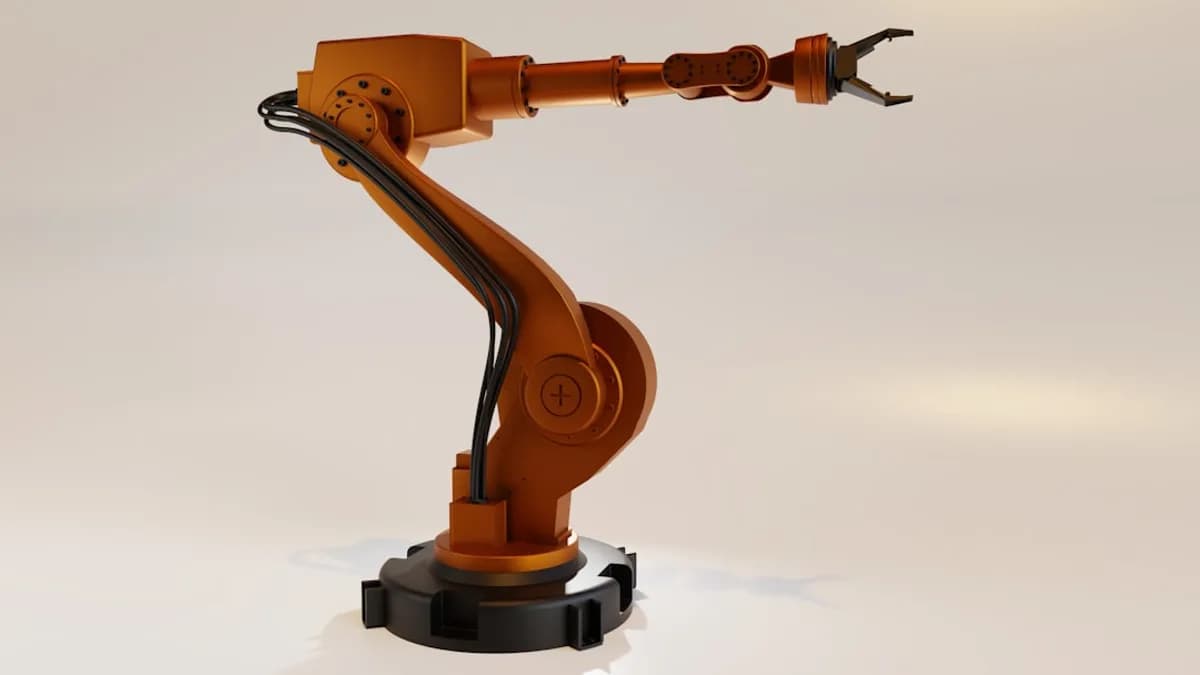
Chef Robotics has carved a unique path in the competitive world of food automation, deploying AI-guided robot arms designed to streamline food production. Unlike many robotics startups that have faltered in the so-called "robot cooking graveyard," Chef Robotics stands out for its resilience and innovative approach. The company’s technology enables automated preparation and handling of food, addressing the persistent challenge of labor shortages and demand for consistency in kitchens. Today, Chef Robotics reports thriving operations and is actively expanding its service portfolio to cater to a wider range of customers, including food manufacturers and service providers [Source: Source]. This article examines Chef Robotics’ journey—exploring the hurdles of food robotics, the company’s technological breakthroughs, strategic business moves, and future outlook—offering insight into how it escaped the pitfalls that doomed its predecessors.
The Challenges of Robotics in Food Production
Automating food production has historically posed formidable challenges for robotics companies. The "robot cooking graveyard" is littered with startups that failed to overcome the complex realities of food handling. Unlike manufacturing environments with standardized parts, kitchens are unpredictable: ingredients vary in size, shape, and texture, and recipes require nuanced handling. Ensuring robots can manage delicate tasks—like slicing tomatoes or mixing salads—without compromising quality or causing contamination is a technical feat.
Hygiene and safety standards in the food industry are exceptionally stringent, necessitating robots that can withstand frequent cleaning and avoid cross-contamination. These requirements, combined with the need for adaptability, have made it difficult for earlier robotic solutions to gain traction.
Market skepticism has further compounded these technical hurdles. Investors have often been wary, given the high failure rate within food robotics and the relatively slow adoption cycle among food businesses. Many startups struggled to prove their value proposition beyond niche use cases, leading to limited funding and early exits. This collective experience has contributed to the notion of the "robot cooking graveyard," a term reflecting both the technical and commercial barriers unique to food automation [Source: Source].
Chef Robotics’ Unique Approach and Technology Innovations
Chef Robotics has set itself apart through a combination of technological innovation and practical design. At the heart of its solution are AI-guided robot arms that leverage machine learning and computer vision to adapt to the inherent variability of food production. Unlike traditional robots programmed for repetitive, fixed tasks, Chef Robotics’ arms use AI to assess ingredients in real time, adjusting grip, motion, and force for optimal handling. This adaptability is crucial for maintaining the quality and consistency demanded in commercial kitchens [Source: Source].
The company’s modular and scalable design philosophy is another distinguishing factor. Chef Robotics offers customizable robotic configurations that can be tailored to different food types and production volumes. This flexibility allows customers to deploy robots in diverse settings—from high-volume food manufacturers to boutique cloud kitchens—without extensive reengineering.
A strong emphasis on hygiene, safety, and regulatory compliance further bolsters Chef Robotics’ appeal. The robots are built to withstand rigorous cleaning routines and are designed to minimize cross-contamination risks, making them suitable for environments with strict health standards. By integrating sensors and real-time monitoring, Chef Robotics ensures that its systems meet industry certifications and can operate reliably without compromising safety.
Ultimately, it’s the combination of AI-driven precision, adaptability, and a user-centric design that has enabled Chef Robotics to address challenges that stymied previous entrants in the market. The company’s technology not only automates repetitive tasks but also achieves consistency and efficiency at a scale that is rare in food robotics [Source: Source].
Business Strategy and Market Positioning Driving Growth
Chef Robotics’ business strategy has been pivotal in its escape from the robot cooking graveyard. Instead of limiting its ambitions to fast food chains or narrowly defined menu items—an approach that doomed many startups—Chef Robotics targets a broad spectrum of customers. Its robotic systems are deployed in on-site kitchens, cloud kitchens, and food production facilities, enabling the company to serve not just restaurants but food manufacturers and service providers seeking scalable automation solutions [Source: Source].
Strategic partnerships have played a key role in Chef Robotics’ growth. By collaborating with established food service providers and manufacturers, the company taps into existing distribution networks and operational expertise. This approach reduces the risk associated with direct sales and accelerates market adoption.
Flexible deployment models are another strength. Chef Robotics offers both turnkey solutions for new kitchens and retrofit kits for existing facilities, lowering barriers to entry and enabling customers to integrate automation without costly infrastructure changes. This adaptability has helped the company gain traction among a diverse array of clients, from large-scale production lines to innovative cloud kitchen startups.
Through these strategies, Chef Robotics has avoided the pitfalls of predecessors who were often constrained by narrow market focus or inflexible technology. Its ability to scale, customize, and partner effectively has not only driven growth but also positioned the company as a leader in the evolving landscape of food automation [Source: Source].
Future Outlook: Expansion and Industry Impact
Looking ahead, Chef Robotics is poised to scale its operations and broaden its service offerings. The company aims to expand beyond its current customer base, targeting new segments such as meal kit providers, institutional kitchens, and global food manufacturers. This expansion is expected to further increase market penetration and diversify revenue streams.
The impact on labor dynamics in the food industry could be significant. As Chef Robotics’ systems automate repetitive and labor-intensive tasks, they offer a solution to ongoing workforce shortages and rising labor costs. While automation may shift certain job roles, it also opens opportunities for more skilled positions focused on supervising and maintaining robotic systems.
Chef Robotics’ technology addresses critical food production challenges—consistency, speed, and cost efficiency. Automated systems can operate around the clock, minimize human error, and ensure uniform quality, making them attractive to businesses seeking to optimize operations. The broader implications for automation and AI adoption in food tech are substantial, as Chef Robotics demonstrates the viability of intelligent robotics in a sector traditionally resistant to change [Source: Source].
Conclusion: Lessons from Chef Robotics’ Success Story
Chef Robotics’ success is a testament to the power of technological innovation combined with strategic business acumen. Where others faltered amid technical hurdles and narrow market focus, Chef Robotics leveraged AI-driven robot arms, modular design, and flexible deployment to address real-world challenges in food production. Its partnerships and broad customer targeting have enabled steady growth and positioned the company as a pioneer in food automation.
The experience of Chef Robotics underscores the importance of integrating advanced technology with practical market strategies in the robotics sector. As the company continues its expansion, it has the potential to reshape how food is produced, handled, and delivered, setting new standards for efficiency and quality. The evolving landscape of robotics in the food industry is ripe for disruption, and Chef Robotics’ journey offers valuable lessons for startups and established players alike [Source: Source].