Understanding the Hidden Dangers of Wildfire Smoke on Lung Health
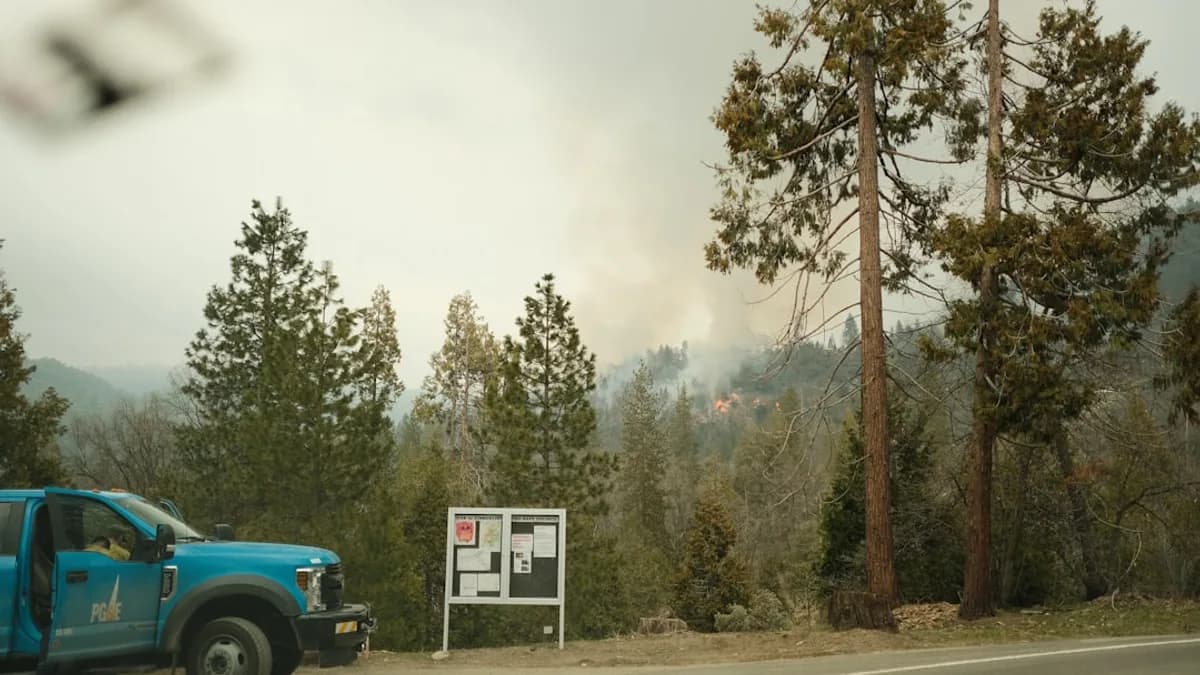
Doctors found black gunk inside a man's lungs after he breathed wildfire smoke. This thick, sticky stuff is a mix of black carbon and other harmful chemicals. Wildfire smoke carries tiny particles called PM2.5. These are so small you can't see them, but they can slip deep into your lungs and even get into your blood. Smoke also contains things like benzene, formaldehyde, and heavy metals. All of these can hurt your body.
A recent report showed these particles can build up inside the lungs, creating a layer of black sludge [Source: Google News]. Some scientists say this gunk may lead to serious health problems. It can make breathing harder. It can even trigger asthma attacks or cause lung infections. But the risks go deeper. New studies link wildfire smoke exposure to a higher chance of getting cancer, especially when smoke events happen more often or last longer [Source: Google News].
Wildfires are getting worse because of hotter, drier weather. That means more people are breathing smoke every year. Knowing what's really in wildfire smoke helps us understand why it's so dangerous. We can't always see the harm right away. But the damage builds up. It's not just about coughing during fire season—long-term risks are real. Paying attention to these dangers matters, especially as wildfires keep spreading.
Recognizing Symptoms and Health Risks from Wildfire Smoke Exposure
If you breathe wildfire smoke, you might notice coughing, wheezing, or shortness of breath. You could feel a scratchy throat or get headaches. Sometimes your eyes burn or your nose runs. These are signs your lungs don’t like what’s coming in.
But the problems can last longer. Wildfire smoke can cause chronic lung diseases like asthma and bronchitis. It can also raise the risk of lung cancer or even heart disease [Source: Google News]. The tiny particles stay in your lungs and keep causing trouble long after the fire is gone.
Some people get hurt more easily. Children’s lungs are still growing. Older adults may already have weak lungs or heart problems. People with asthma, COPD, or other breathing issues are at extra risk. Pregnant women also need to be careful. If you’re in one of these groups, it’s smart to be extra watchful during wildfire season. Even healthy people should pay attention if the smoke gets thick.
Effective Ways to Protect Yourself from Wildfire Smoke Exposure
Protecting yourself from wildfire smoke starts with simple steps. First, stay indoors when air quality is bad. Close all windows and doors to keep smoke out. Use air purifiers that have HEPA filters. These can trap tiny particles and make your home safer.
Masks help, but not every mask works. Only N95 masks fit tightly enough to block fine smoke particles. Cloth or surgical masks don’t stop the dangerous stuff. Make sure your N95 fits snugly and covers your nose and mouth. If you don’t have a mask, avoid going outside when smoke is thick.
You can create a clean air space at home. Pick one room and use a good air purifier. Seal off vents and cracks with towels or tape. Turn off fans that pull air from outside. If you have central air, set it to recirculate.
Ventilation matters. During heavy smoke, keep outside air from getting in. Once the air clears, open windows to let fresh air in. Remember, even a little smoke can be harmful if you breathe it day after day.
If you work outside, talk to your boss about safety gear. Try to limit your time outdoors or move tasks inside. Schools and offices can use air filters and alert people when air quality drops.
Don’t rely on smell to judge air quality—some particles are odorless. Check local air quality reports online or with your phone. Apps and websites like AirNow.gov give real-time updates.
Wildfire smoke is sneaky. Take action before you feel sick. These steps might seem simple, but they can make a big difference when smoke fills the air.
How to Prepare Your Home and Community for Increasing Wildfire Smoke Events
Getting ready before wildfire season can keep your lungs safe. Start by checking your air purifiers and buying extra filters. Seal up any cracks or gaps where smoke might get in. Make sure your home’s HVAC system can recirculate air. Stock up on N95 masks for everyone in your family.
Plan ahead for kids, seniors, and anyone with breathing problems. Talk to your neighbors about creating clean air shelters—places where people can gather if the smoke gets really bad. Some cities set up public shelters with filtered air during fire events. Watch for smoke alerts from local health departments. Sign up for emergency notifications on your phone.
Communities can push for stronger rules to protect vulnerable people. Schools, nursing homes, and hospitals need good air filters and emergency plans. Local leaders can help spread the word about air quality and where to find clean air spaces.
Stay connected with reliable sources. The EPA, CDC, and local health agencies share tips and warnings. Don’t wait for the smoke to arrive—be ready. Wildfires are getting more common, so preparation matters more than ever.
Navigating Challenges: Addressing Anti-Mask Sentiment and Public Health Communication
Some people don’t like masks. This makes it harder to protect everyone from wildfire smoke. Anti-mask attitudes spread fast, especially online or in certain groups [Source: Google News]. When smoke is thick, refusing to wear masks puts vulnerable folks at risk.
Talking with people about masks works best when you keep it simple. Share facts—not just opinions. Explain that N95 masks block the tiny particles that hurt your lungs. Remind others that it’s about keeping everyone safe, not just yourself.
Trusted voices—like doctors, teachers, or community leaders—can help change minds. They can explain how masks help protect kids, seniors, and those with health problems. If you face pushback, stay calm and listen. Use clear, honest language.
You can advocate for yourself by asking for clean air spaces and mask policies at work or school. Help others learn about air quality apps and where to find N95 masks. Little steps can make a big difference, especially when smoke season hits.
Conclusion: Taking Proactive Steps to Safeguard Lung Health Amid Growing Wildfire Threats
Wildfire smoke is more than a nuisance—it’s a serious threat to lung health. Staying indoors, using air purifiers, and wearing N95 masks are smart ways to protect yourself and your family. Preparing ahead and watching for air quality alerts can help you act fast when smoke rolls in.
Wildfires are becoming more common, so early action is key. Keep learning about new safety tips and share them with your community. If we all pay attention and work together, we can lower the risks and keep our lungs healthier.
Don’t wait for the smoke to get bad. Make lung health a priority, and encourage others to do the same. The choices you make today can help protect you tomorrow.
Why It Matters
- Wildfire smoke contains invisible toxic particles that can accumulate in the lungs and cause lasting harm.
- Exposure to wildfire smoke increases the risk of serious health issues, including asthma, chronic lung disease, and cancer.
- As wildfires become more frequent and intense, understanding these hidden health risks is crucial for public safety.