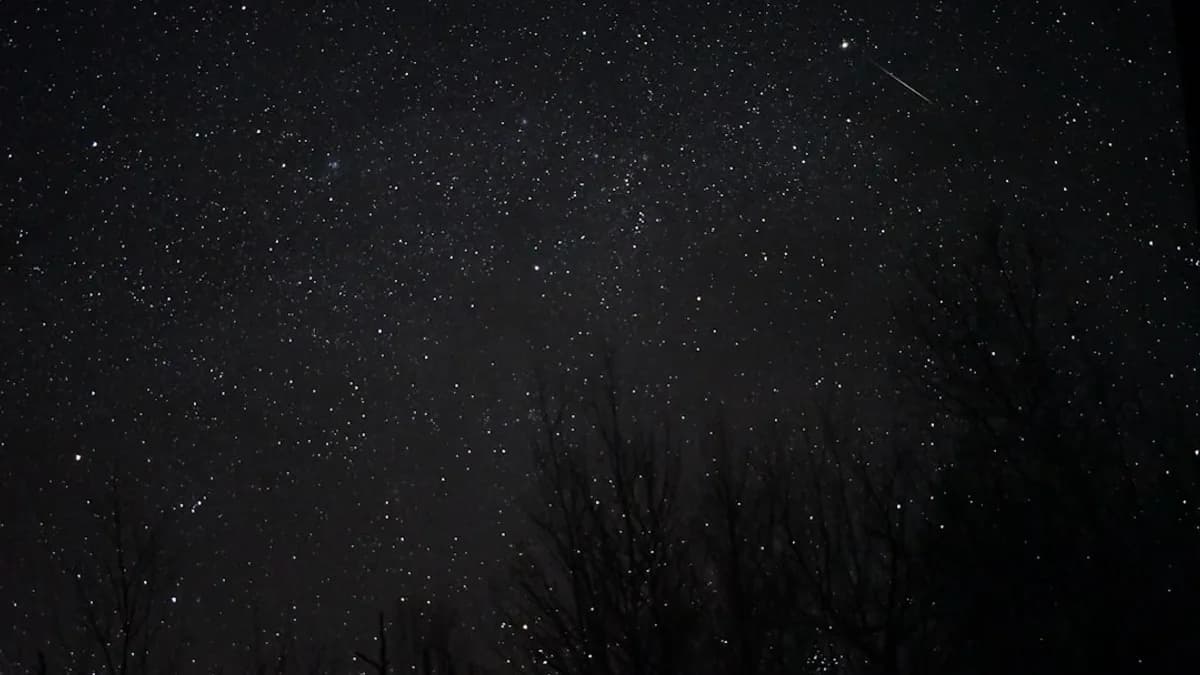
Introduction to the Lyrid Meteor Shower: A Spectacular Annual Event
The Lyrid meteor shower is about to light up the night sky. Every spring, people around the world look forward to this show. The Lyrids happen each year in late April and are one of the oldest meteor showers known, with records going back more than 2,600 years. They are famous because they often surprise watchers with bright, fast meteors. Sometimes, they even produce fireballs—extra-bright meteors that look like shooting stars. For both casual stargazers and serious astronomy fans, the Lyrids are a must-see event. This meteor shower marks the start of the season, kicking off months of sky-watching fun [Source: Google News]. Whether you’re new to meteor showers or an old pro, the Lyrids offer a chance to see something rare and beautiful, right from your backyard.
What Causes the Lyrid Meteor Shower? Understanding Its Origins
Meteors are bits of rock and dust that burn up when they hit Earth’s atmosphere. A meteor shower is what happens when lots of these bits enter the sky at once, making them look like streaks of light. The Lyrid meteor shower comes from a comet called C/1861 G1 Thatcher. Each year, as Earth travels around the Sun, it crosses the path where this comet left a trail of dust and tiny rocks.
When Earth hits this trail, the debris falls into our atmosphere. The heat from entering the atmosphere at high speed makes them glow. That’s what we see as “shooting stars.” What makes the Lyrids special is their speed and the brightness of some meteors. These bits of comet debris travel at about 110,000 miles per hour. Most Lyrid meteors are quick and can be seen for only a second or two. Sometimes, the shower gives us a burst of more meteors, known as an “outburst,” which can double or even triple the usual count.
Comet Thatcher only swings by the inner solar system every 415 years. But its dust lingers in space, letting us see the Lyrids every year. This comet’s trail is old and stable, so the shower looks about the same each year. The Lyrids are a reminder of how space is full of leftovers from past events, and how Earth’s orbit lets us cross paths with these cosmic relics.
When and Where to Watch the Lyrid Meteor Shower in 2026
The Lyrid meteor shower will peak on the night of April 21 into the early morning of April 22 in 2026 [Source: Google News]. That means the best time to watch is late Tuesday night and just before dawn on Wednesday. For most places, the shower starts after midnight, but the peak usually happens around 2 to 4 a.m. when the sky is darkest.
To get the best view, head outside where you can see as much of the sky as possible. Rural areas are best because city lights make it harder to see faint meteors. If you’re in the suburbs or city, try to find a park or open space away from streetlights. The shower can be seen across most of the Northern Hemisphere, including the United States, Canada, Europe, and Asia. People in southern parts of the world might see fewer meteors, but the Lyrids still show up.
Check the weather before you go. Clear skies are key—clouds can block the show. Dress warmly, since nights in April can be chilly. Bring snacks and water for comfort, and let your eyes adjust to the dark for at least 15 minutes. The Lyrids produce about 10-20 meteors per hour at their peak, so patience pays off. If you can, plan to watch with friends or family. It makes the wait more fun, and you can share the excitement when a bright meteor streaks by.
How to Watch the Lyrid Meteor Shower: Practical Tips for Beginners
You don’t need fancy equipment to watch the Lyrid meteor shower. In fact, telescopes and binoculars are not helpful here. The best way to see meteors is with your naked eyes. Find a spot with a wide view of the sky. A reclining lawn chair or blanket lets you relax and look up comfortably.
Dress in layers. Nights can get cold, even if the day was warm. Bring a hat, gloves, and maybe a thermos of tea or hot chocolate. If you’re planning to stay out for hours, pack some snacks. Bug spray can help if you’re in a grassy area.
Turn off your phone or use a red flashlight so your eyes don’t get blinded by bright screens. It takes about 15-30 minutes for your eyes to adjust fully to the dark. Be patient—meteors come in bursts, and you might wait a while before seeing a good one.
If you’re watching with others, keep voices low and avoid shining lights. This keeps the mood calm and lets everyone enjoy the show. For big groups or public events, follow rules about where to park and where to sit. Stay safe—watch out for uneven ground and bring a small first aid kit if you’re hiking to your spot.
Some people like to track how many meteors they see and write them down. This can be fun, and you can share your counts with astronomy groups online. If you snap photos, use a tripod and a wide-angle lens. But remember, the best memories often come from just watching and soaking it all in.
Virtual Viewing Options: How to Watch the Lyrids Meteor Shower Online
Not everyone can get outside to watch the Lyrid meteor shower. Luckily, several groups stream the event online for free. Websites like Space.com, WIRED, and astronomy clubs often host live video feeds [Source: Google News]. These streams use cameras in dark places, so you get a clear view even if your own sky is cloudy or bright.
Virtual viewing is great for city dwellers or those with bad weather. You can watch from your couch and still enjoy the show. Some streams offer expert commentary, so you learn as you watch. To find the best streams, search for “Lyrid meteor shower livestream 2026” a day before the event. Look for sites with good reviews and clear video. The biggest science museums and observatories often host streams too.
This way, everyone can join the fun—even if you can’t get outside or live in a busy city.
Scientific and Cultural Significance of the Lyrid Meteor Shower
The Lyrid meteor shower has a long history. Ancient Chinese records describe Lyrid meteors as far back as 687 BC. Greeks and other cultures also noticed the Lyrids and sometimes linked them to myths about gods or omens. For many societies, meteor showers like the Lyrids were seen as signs from the heavens or as a time for festivals.
Scientifically, the Lyrids are important because they show us how comets leave debris in space. By counting meteors and noting their brightness, astronomers learn about the size and makeup of comet Thatcher’s dust trail. Sometimes, the Lyrids produce outbursts with many more meteors than usual. This teaches scientists about how debris moves and spreads out over time.
Meteor showers also help us understand Earth’s atmosphere. When meteors burn up, they create glowing trails called “ionization trails.” These help scientists study air layers and space weather. Even amateur watchers help by sharing counts and photos online. This adds to the data scientists use to track changes in the shower from year to year.
Culturally, the Lyrids are a shared event. People gather in parks, fields, and backyards to watch together. This brings communities closer and sparks interest in space. The Lyrids are one of the few events where anyone can take part, regardless of age or skill.
Conclusion: Making the Most of the 2026 Lyrid Meteor Shower Experience
Don’t miss the Lyrid meteor shower in 2026. It’s a simple way to connect with the night sky and see something amazing. Remember to find a dark spot, dress warmly, and let your eyes adjust. Watching with friends or family makes it even better. If you can’t get outside, check out livestreams for a front-row seat. Keep an eye out for other astronomy events this year—each one offers a new chance to wonder and learn.
Why It Matters
- The Lyrid meteor shower is one of the oldest and most anticipated annual celestial events, offering a unique spectacle for sky watchers.
- It marks the beginning of the meteor shower season, encouraging people to engage with astronomy and nature.
- Understanding the origins of the Lyrids highlights the connection between Earth and cosmic phenomena, sparking curiosity about space.