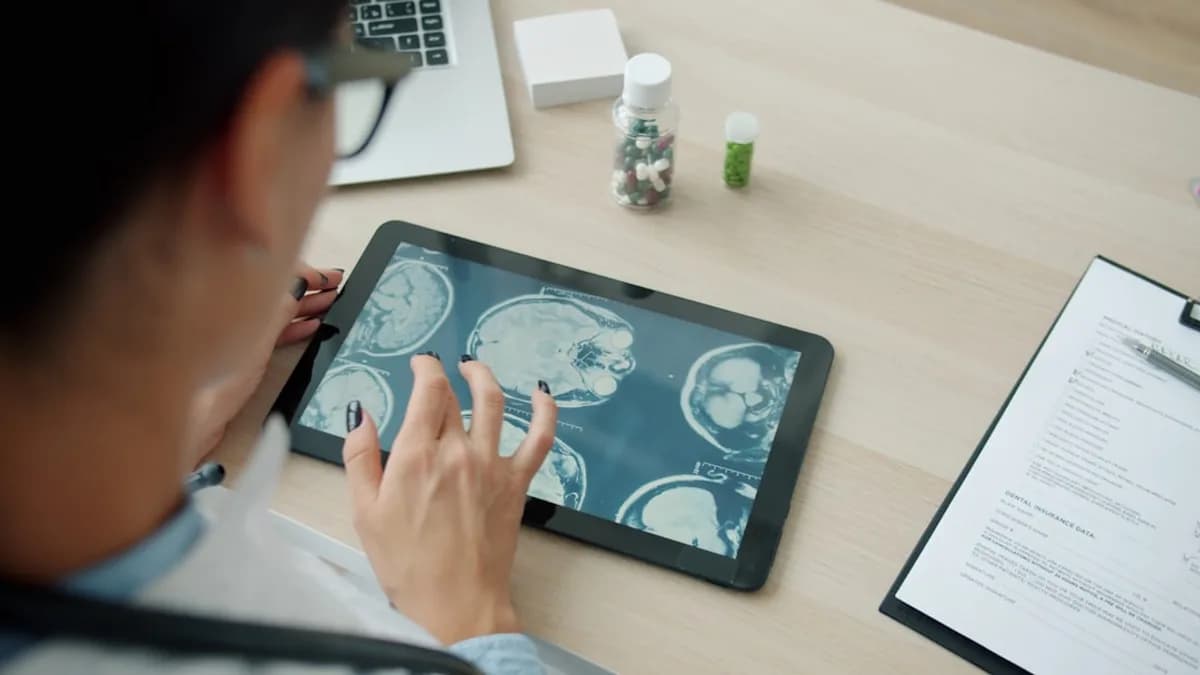
Understanding Consciousness: The Challenge of Linking Brain Matter to Mind
Scientists and philosophers have spent centuries trying to figure out how the brain creates thoughts, feelings, and awareness. Consciousness is what lets us feel joy, pain, or wonder. It's what makes us know we're alive. But no one really knows how the brain’s physical parts—cells and chemicals—turn into our private experiences.
The problem is that the brain is a tangled web of billions of neurons. Each one connects to thousands more. These tiny cells talk to each other using electrical and chemical signals. Trying to trace how these signals become a memory or an emotion is like trying to follow every thread in a giant spider web.
Researchers have used scans and other tools to study the brain. But most ways to explore consciousness require cutting into the skull or using surgery. That’s risky and can only be done with people who need surgery for medical reasons. Even then, scientists can only look at small parts of the brain.
This means we still don’t have a clear map linking brain matter to the mind. New methods that let us peek inside the brain safely could change everything.
Introducing Transcranial Focused Ultrasound: A Noninvasive Window into Brain Activity
Transcranial focused ultrasound, or tFUS, is a tool that could help us study how the brain makes us conscious—without surgery. tFUS works by sending sound waves through the skull to reach deep inside the brain. These waves are focused, like a magnifying glass concentrating sunlight, so they hit only the spot scientists want to study.
Unlike older methods like transcranial magnetic stimulation (TMS), which uses magnets, or deep brain stimulation (DBS), which needs wires put into the brain, tFUS doesn’t require opening the skull. TMS can only reach shallow parts of the brain. DBS is used mostly to treat diseases like Parkinson’s and is very invasive.
tFUS stands out because it can target deep areas with much more precision. The waves can be aimed at spots smaller than a pea. This lets scientists change activity in a tiny brain region and see what happens. The process is also safe. tFUS doesn’t destroy tissue or cause pain. People getting tFUS usually don’t feel a thing.
Another plus: tFUS can be turned on and off quickly. That means researchers can control brain activity in real time and watch how a person’s thoughts or feelings change. The tool is portable and can be used in clinics or labs. This makes tFUS a promising way to study the mind in healthy people, not just patients.
How Transcranial Focused Ultrasound Could Unlock the Mysteries of Consciousness
A recent paper by MIT philosopher Matthias Michel, Daniel Freeman from Lincoln Lab, and their team lays out a plan to use tFUS to explore consciousness [Source: MIT Technology Review]. Their idea is simple: If you can safely change activity in specific brain regions, you might see how those changes affect a person’s awareness.
The team suggests that tFUS could be used to turn up or down activity in areas linked to things like vision, touch, or emotion. For example, scientists could aim tFUS at the visual cortex—the part of the brain that processes what we see. By gently stimulating or quieting this area, researchers could ask people what they notice or feel. Changes in conscious experience could show which brain parts are key for awareness.
Another experiment could target the insula, a region thought to help us feel emotions and pain. If tFUS changes how people report their feelings, it would give clues about how the brain builds our inner life. These tests could be done while volunteers are awake and talking, making the studies more natural than surgery.
The paper suggests combining tFUS with brain scans, like MRI, to see both the physical changes and the person’s reports of their experiences. This could help build a map showing which regions cause which feelings or thoughts.
For example, if stimulating one spot makes someone see flashes of light, that spot likely helps with vision. If quieting another area makes emotions dull, it may play a role in feeling. Over time, this could uncover the “building blocks” of consciousness.
Broader Implications: What Understanding Consciousness Means for Science and Society
Unlocking how consciousness works could change science, medicine, and even everyday life. In neuroscience, tFUS studies may help explain why some brain injuries lead to coma, while others barely affect awareness. If we know which regions control consciousness, doctors could target them to help patients wake up or recover.
Psychology could benefit, too. Many mental illnesses, like depression or anxiety, involve changes in how people feel and think. If tFUS can safely change brain activity and shift conscious experience, it could become a new way to treat these disorders. Instead of pills or surgery, tFUS might offer a painless option.
Philosophy has always struggled to explain the mind-body problem—how the brain creates the mind. Real experiments using tFUS could settle debates about whether consciousness depends on certain cells, circuits, or patterns.
But these advances raise tough ethical questions. If scientists can change consciousness noninvasively, should they? What if the technology is used to alter mood, memory, or awareness without consent? Could tFUS be misused for mind control or manipulation? These worries mean strong rules and safeguards will be needed.
On the bright side, understanding consciousness could help people with locked-in syndrome or severe brain injuries. tFUS might offer ways to bring back awareness or communication. It could also help us design smarter computers or robots that mimic human thought.
Future Directions: Challenges and Opportunities for Transcranial Focused Ultrasound Research
Right now, tFUS is still new. One challenge is making sure the ultrasound waves hit exactly the right spot in the brain. The skull is thick and curved, which can bend or scatter the waves. Scientists are working on better ways to focus the sound and track where it goes.
Another hurdle is measuring how tFUS changes brain activity. It’s hard to see fast changes deep inside the brain. New imaging tools, like high-speed MRI, could help. Researchers also need to make sure tFUS doesn’t cause side effects or long-term harm.
More studies are needed to find out which brain regions cause which conscious experiences. This means careful experiments with many volunteers. It also means working with people from different backgrounds to see if results are the same for everyone.
Collaboration is key. Philosophers can help design questions that get at the heart of consciousness. Neuroscientists know how to measure brain activity. Engineers build better tFUS devices. Together, they can tackle the mystery from all sides.
Funding is growing for tFUS research, especially from groups interested in mental health and brain injury. If scientists can solve the technical challenges, tFUS could become a common tool in labs and clinics.
Conclusion: The Promise of Transcranial Focused Ultrasound in Decoding Consciousness
Transcranial focused ultrasound gives us a way to study the brain’s deepest secrets without surgery. By safely changing activity in tiny parts of the brain, tFUS could help show how thoughts, feelings, and awareness come to life.
This tool could shift how we understand the mind and help treat diseases. It might even answer age-old questions about what makes us conscious. But there’s still much to learn. Scientists must keep working together to unlock these mysteries and use tFUS wisely.
The next few years may bring big discoveries. If tFUS lives up to its promise, we could finally connect the dots between brain matter and the mind [Source: MIT Technology Review].
Why It Matters
- tFUS could help scientists safely study how consciousness arises in the brain.
- Noninvasive tools like tFUS may allow broader research without surgical risks.
- Understanding consciousness could lead to breakthroughs in medicine and mental health.