Introduction: Celebrating SpaceX’s Milestone in GPS Satellite Deployment
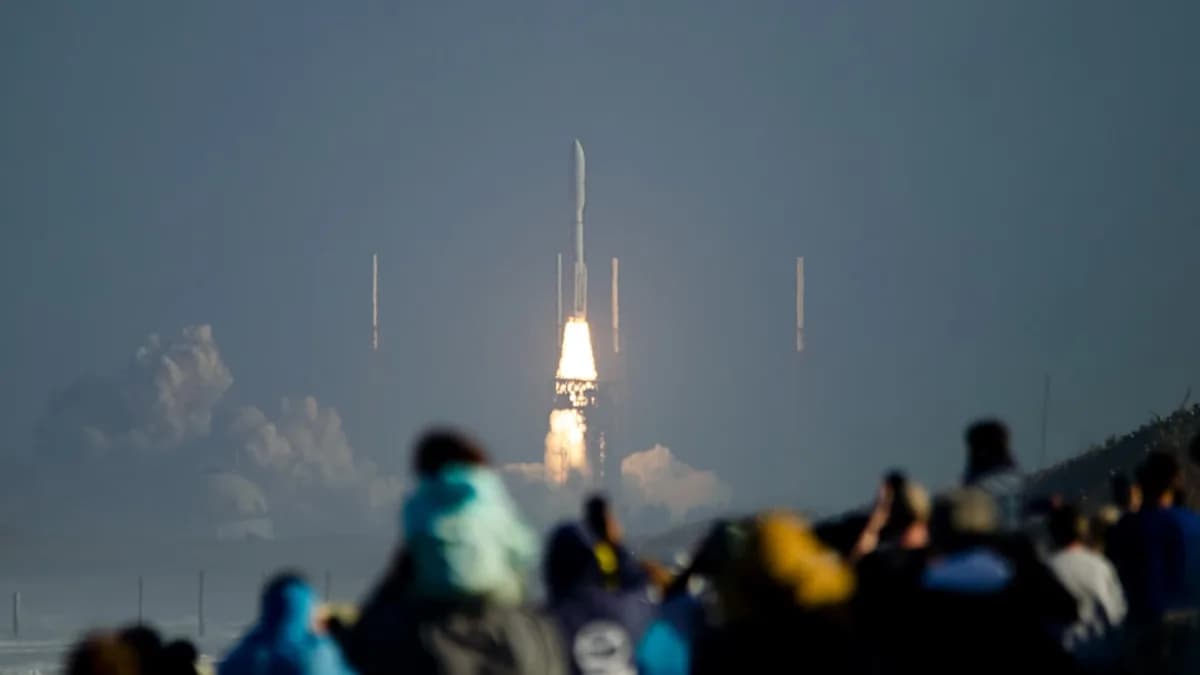
SpaceX just launched the last GPS III satellite for the U.S. Space Force, marking a big step forward for America’s navigation system [Source: Google News]. This final piece of the GPS III constellation brings the country’s satellite navigation network into a new era. The GPS III satellites are smarter, safer, and more accurate than the older ones. People across Florida watched the Falcon 9 rocket blast off late at night, with crowds gathering at beaches and parks for a glimpse of history. The launch got national attention, not just for its technical achievement, but also because it wrapped up years of work to modernize how the U.S. finds its way—both in the air and on the ground. With this launch, the U.S. Space Force can offer better navigation services for everyone, from pilots to smartphone users.
The Strategic Importance of the GPS III Satellite Program for National Security
GPS isn’t just for finding your way to the nearest pizza place. It’s used by the military for guiding missiles, flying planes, and keeping troops safe. The new GPS III satellites make these tasks more accurate and secure. They send stronger signals, which means less chance of getting jammed or spoofed by enemies. If someone tries to mess with the GPS, these satellites fight back with smarter tech. That’s a big deal for keeping America safe.
The GPS III program also helps civilians. Think about farmers using tractors that steer themselves, or ambulances racing to emergencies using GPS directions. With these new satellites, signals are clearer, and locations are pinpointed within a few feet—not yards. This matters for everything from air traffic control to ride-sharing apps. By finishing the GPS III constellation, the U.S. Space Force now has a network that supports both defense and daily life.
The satellites also carry a new signal called L1C, which helps work with other countries’ navigation systems, like Europe’s Galileo. This boosts global cooperation and means fewer dropped signals for travelers around the world. In short, the GPS III satellites aren’t just shiny new tech—they’re tools that help keep the country strong, safe, and connected.
SpaceX’s Role in Revolutionizing Satellite Launches and Space Access
SpaceX changed the way we send satellites into space. Before SpaceX, launches cost a fortune and happened only a few times a year. Now, thanks to reusable rockets like Falcon 9, launches are cheaper and happen much more often. This has opened the door for more frequent upgrades to America’s space infrastructure. SpaceX’s Falcon 9 rocket is famous for landing itself after each flight, saving millions of dollars and making space more accessible.
This matters a lot for government missions. When the U.S. Space Force needs to put a satellite into orbit, it can count on SpaceX to do the job quickly and safely. The Falcon 9 has a strong track record—it rarely fails and can carry heavy loads. That reliability is why SpaceX keeps getting contracts for military launches [Source: Google News].
SpaceX’s partnership with the U.S. Space Force is more than just business. It signals a shift in how America thinks about space. Private companies now work side by side with the government, bringing new ideas and faster progress. This teamwork has made satellite launches more routine, and it’s helped America keep its lead in space technology. As SpaceX keeps improving rockets, other companies are racing to catch up. This competition sparks innovation and lowers costs, making space reachable for more people and groups.
Honoring Innovation: The Symbolism Behind Naming the GPS Satellite After Hedy Lamarr
This latest GPS satellite has a special name: Hedy Lamarr. Lamarr was a Hollywood actress, but she was also an inventor. She helped create a way to send secret messages during World War II, which later became the foundation for Wi-Fi and Bluetooth. Naming a GPS satellite after her is a nod to how creativity and science can change the world.
Recognizing pioneers like Lamarr is important. It shows that technology isn’t just built by engineers—you can come from any background and still make a big impact. Satellite naming isn’t just a tradition; it’s a way to inspire kids who might not see themselves as scientists. By honoring Lamarr, the Space Force highlights the value of diversity in tech. It reminds us that great ideas can come from anywhere.
This gesture is more than a nameplate. It ties the history of innovation to the present. As GPS technology keeps growing, the story of Lamarr encourages young inventors to dream big and solve tough problems. It’s a way to keep the spirit of discovery alive, both in space and here on Earth.
Analyzing the Broader Implications of the Final GPS III Launch for Space Policy and Industry
Finishing the GPS III constellation gives the U.S. a strong edge in global space leadership. The country now has a navigation system that’s tough to beat. This matters because other countries, like China and Russia, are building their own satellite networks. Having the latest GPS tech helps the U.S. stay ahead in both military and commercial space races.
But this milestone raises new questions. How will America keep its GPS network secure as threats change? Satellites can be targeted by hackers or space debris. The government needs to keep investing in protection and upgrades. There’s also the challenge of working with allies. As more countries build their own systems, it’s important to make sure everyone’s satellites can work together without causing confusion.
On the business front, the launch shows how private companies are shaping space policy. SpaceX’s success means other firms, like Blue Origin and Rocket Lab, are pushing to join government missions. This competition could lead to even faster innovation and lower costs. But it also means the government has to set clear rules so everyone plays fair and safety isn’t ignored.
For the wider industry, the end of the GPS III program is just the start. Companies are already working on next-gen satellites that use lasers, quantum tech, or artificial intelligence. These could offer even better accuracy and security. The commercial spaceflight trend is also picking up speed. More launches mean more jobs and new services, from tracking cargo to exploring the moon.
Globally, the race to build better navigation satellites is heating up. Countries are teaming up to share resources, but they’re also competing to control space. The U.S. must balance cooperation with keeping its own systems strong. The way America handles this balance will shape the future of space business and policy.
Conclusion: Reflecting on SpaceX’s Contribution to National Security and Space Innovation
SpaceX’s launch of the final GPS III satellite is a win for both technology and security. It shows how private companies and government agencies can work together to build something powerful. The new GPS III network means safer, more accurate navigation for everyone—from soldiers to drivers.
The partnership between SpaceX and the U.S. Space Force is changing how America approaches space. It’s speeding up innovation, lowering costs, and making space more open to new players. As GPS technology keeps advancing, the next steps will involve smarter satellites, better defenses, and stronger teamwork both at home and abroad.
People watching the rocket take off saw more than just a launch. They saw a glimpse of the future—a world where space is safer, smarter, and full of new possibilities. The story of GPS III isn’t over. It’s just the start of what comes next in space exploration and technology.
Why It Matters
- The launch completes a major upgrade to America’s satellite navigation system, benefiting both military and civilian users.
- GPS III satellites offer more secure and accurate positioning, which is crucial for national security and emergency response.
- Interoperability with other countries’ navigation systems improves global connectivity and cooperation.