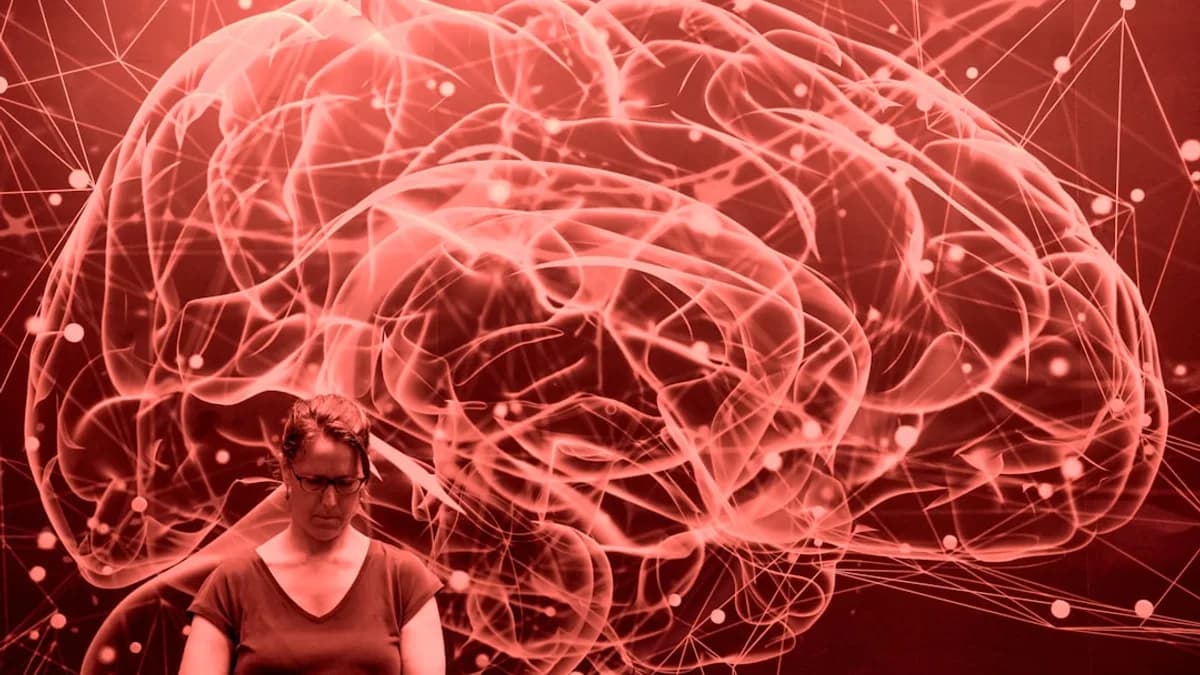
Understanding Stress and Its Impact on the Brain
Stress hits everyone, and it’s not just in your head. You might feel it when your boss piles on new work, when your phone keeps buzzing, or even when you’re stuck in traffic. Stress is your body’s reaction to things that feel tough or scary. It’s like your brain’s alarm system. When you’re stressed, your heart beats faster, your muscles tense up, and you feel anxious or tired.
But stress doesn’t just make you feel bad—it actually changes your brain. Too much stress can shrink parts of the brain that help you remember things and control your emotions. It can make you forgetful or quick to snap. Over time, stress can even make your brain age faster, meaning you might have trouble learning or thinking clearly as you get older [Source: Google News].
Doctors now know that long-term stress can lead to big health problems. It raises your risk for depression, heart disease, and trouble sleeping. It’s like a car running too hot for too long—eventually, something breaks down. That’s why finding ways to cool off your brain is so important.
How Meditation Works: A Simple Tool to Combat Stress
Meditation is a simple way to help your mind slow down. Picture sitting quietly, closing your eyes, and paying attention to your breath or a calming sound. You don’t need special clothes or a fancy room. Just a few minutes can help.
There are lots of ways to meditate. Some people repeat a word, called a mantra. Others focus on their breathing. Some use apps that guide them step by step. The goal is to stay in the moment and let worries pass by like clouds.
When you meditate, your body calms down. Your heart rate gets slower. Your muscles relax. Your brain releases chemicals that make you feel happier and safer. Scientists can even see changes in the brain on scans. Parts linked to focus and calm get stronger, while areas tied to stress shrink.
You don’t need to meditate for hours. Studies show that even two or three minutes can help you feel less stressed [Source: Google News]. Short sessions are easier to fit into a busy day. The trick is to do it regularly, like brushing your teeth. It’s a tool you can use anytime stress pops up.
Scientific Evidence: Meditation’s Effects on Brain Structure and Function
Research on meditation keeps growing. Scientists have looked at brains before and after meditation, and the changes are real. One study from IISc found that people who practiced meditation for years had sharper brain signals. Their brains sent messages faster and more clearly, which helps you think and react better [Source: Google News].
Other studies show that meditation can change the structure of your brain. For example, the part that helps you make decisions and control your feelings—called the prefrontal cortex—gets thicker after regular meditation. That means you might be better at handling tough situations or staying calm [Source: vocal.media].
Meditation also affects “brain age.” This is how old your brain acts, not just how many years you’ve lived. Research found that meditating can help your brain stay young. People who meditate often have brains that look younger on scans. Meditation helps protect against the usual wear-and-tear that comes with getting older [Source: Il Sole 24 ORE].
Sleep is another area where meditation shines. When you’re stressed, your sleep suffers. But meditation helps your brain relax before bed, making it easier to fall asleep and stay asleep. Some studies show that people who meditate sleep longer and feel more rested.
All these studies point to one thing: meditation isn’t just a feel-good trick. It’s a real way to change your brain, help you think better, and keep stress from taking over.
Practical Benefits: How Just a Few Minutes of Meditation Can Reduce Stress
You don’t have to sit for hours to see results. Even a short meditation—two or three minutes—can help you feel calmer right away. It’s like hitting the reset button when your mind is overloaded.
People who try short meditation routines often say they feel less anxious and more focused. For example, a busy mom might take three minutes to breathe deeply before picking up her kids. She feels ready for the chaos. A worker might pause for a quick meditation at lunch and come back to her desk with a clear head.
Meditation helps you control your feelings. When you’re stressed, you might snap or cry. But after meditating, you can handle tough moments without losing your cool. It also helps you pay attention better. That means less daydreaming and more getting things done.
Good sleep is another perk. Meditating before bed can help you wind down. You’ll fall asleep faster and wake up feeling rested. Some people use meditation when they wake up at night to get back to sleep.
These benefits aren’t just stories. Scientists have measured them. Heart rates drop, focus improves, and sleep gets deeper after even short meditation sessions [Source: Google News]. It’s proof that a few quiet moments can make a big difference.
Incorporating Meditation Into Daily Life: Tips for Beginners
Starting meditation is easy. You don’t need special training. Begin by finding a quiet spot, even if it’s just a corner or your car. Set a timer for two or three minutes. Close your eyes, and focus on your breath. When your mind wanders, gently bring it back.
You can also use simple techniques like counting your breaths, repeating a word, or listening to calming music. Guided meditation apps like Headspace, Calm, or Insight Timer offer short sessions for busy people. Many apps have free versions that walk you through each step.
If you’re always on the go, try “micro-meditations.” Pause for a minute before a meeting, while waiting in line, or right before bed. These quick breaks add up and help your brain recharge.
Stick with it for a week. Keep notes on how you feel before and after. You’ll likely notice you’re less stressed and more focused. Meditation is like exercise for your mind—the more you practice, the stronger you get.
Conclusion: Embracing Meditation as a Stress-Reduction Strategy
Meditation is backed by science. It helps your brain stay sharp, cuts stress, and improves sleep. You don’t need lots of time or money. Just a couple minutes can help you feel calmer and think better [Source: Google News].
If stress is making life hard, try short meditations. They fit into any schedule and are easy to start. Over time, these simple sessions can protect your brain and boost your mood.
Looking ahead, more people may turn to meditation as a daily habit, the same way we brush our teeth. It’s a low-cost, accessible tool that anyone can use for mental health. Give it a try—your brain will thank you.
Why It Matters
- Short periods of meditation can quickly reduce stress and improve mood.
- Chronic stress negatively impacts both physical health and brain function.
- Easy, accessible meditation techniques can help prevent long-term health problems.