Introduction: A Rare Celestial Event Lighting Up the US
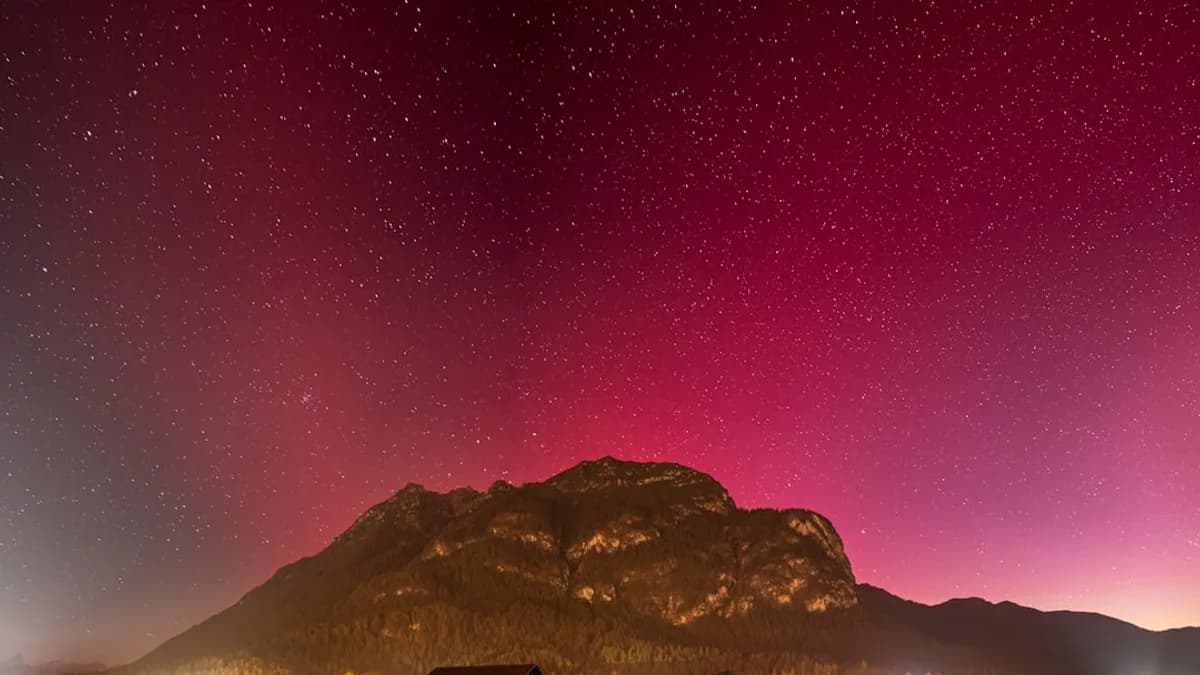
This weekend, residents across the United States may witness a dazzling celestial display as the Northern Lights, or Aurora Borealis, make an unusually far-reaching appearance. Typically reserved for high-latitude regions such as Alaska and parts of Canada, the aurora is forecasted to be visible across much of the continental US, including states as far south as Illinois and Oregon [Source: Source]. The event is driven by heightened solar activity, offering millions a rare chance to experience vibrant colors dancing across the night sky. This spectacle not only captivates skywatchers but also represents a remarkable intersection of astronomy and atmospheric science, underscoring the profound influence our Sun has on Earth. With predictions pointing to optimal viewing in 18 states, this weekend's aurora promises to be one of the most widespread in recent years.
The Science Behind the Spectacle: The Giant Hole in the Sun’s Atmosphere
The Northern Lights owe their existence to solar winds—streams of charged particles ejected from the Sun. Normally, these winds are relatively gentle, but this week, a massive coronal hole has opened in the Sun’s atmosphere, dramatically increasing the flow of solar material toward Earth [Source: Source]. A coronal hole is an area where the Sun’s magnetic field has weakened, allowing high-speed solar wind to escape more freely. When these energetic particles reach Earth, they interact with our planet’s magnetosphere, particularly near the poles.
This encounter triggers a chain reaction, exciting oxygen and nitrogen atoms in the upper atmosphere and releasing photons—visible as the shimmering greens, reds, and purples of the aurora. The size and position of this particular coronal hole have resulted in a more intense and widespread solar wind, pushing the aurora much farther south than usual. The increased geomagnetic activity means areas that rarely see the Northern Lights could enjoy an impressive show, with the aurora band stretching across states well outside its typical range [Source: Source].
Such phenomena are not only beautiful but also scientifically significant, providing clues about the interplay between solar and terrestrial dynamics. Space weather experts continue to monitor these solar events, which can occasionally disrupt communication systems and power grids, though this weekend’s aurora is expected to be primarily a visual delight.
Where and When to See the Northern Lights Across the US
According to forecasts, the Northern Lights will be most vibrant in 18 states, including but not limited to Washington, Oregon, Idaho, Montana, North Dakota, South Dakota, Minnesota, Wisconsin, Michigan, Iowa, Illinois, Indiana, Ohio, Pennsylvania, New York, Vermont, New Hampshire, and Maine [Source: Source]. The aurora’s reach will extend unusually far south, with residents in Illinois and Oregon among those likely to catch a glimpse [Source: Source].
The best viewing times are projected to be late Friday night through early Saturday morning, with the most intense displays occurring around midnight as geomagnetic activity peaks. For optimal conditions, skywatchers should seek out locations far from city lights; rural areas and national parks will offer the darkest skies and clearest views. Weather permitting, the aurora may be visible as a glowing band or moving waves of color along the northern horizon.
To maximize your chances:
- Check local aurora forecasts: Websites and apps provide real-time updates on geomagnetic activity and cloud cover.
- Avoid light pollution: Head to open fields, lakeshores, or mountain lookouts with unobstructed views of the northern sky.
- Bring warm clothing and patience: While the aurora can appear suddenly, it’s often fleeting and may require waiting for the right moment.
- Use night vision settings: If photographing the aurora, use long exposure settings and a tripod for best results.
For many, this will be a once-in-a-lifetime chance to see the Northern Lights without traveling to far northern latitudes.
Expert Insights and Forecasts
Space weather forecasters and astronomers are buzzing about this event, noting its rarity and intensity. USA Today and Forbes report that up to 20 states may see the aurora, with the strongest displays likely in the 18 listed above [Source: Source]. Space.com highlights the unusual visibility in southern states, attributing it to the powerful solar wind emerging from the Sun’s coronal hole.
Experts advise that the duration of the aurora could last several hours, especially during peak geomagnetic activity. “This is one of the most significant aurora events in recent memory for the lower 48,” said a spokesperson for the National Oceanic and Atmospheric Administration’s Space Weather Prediction Center [Source: Source]. The intensity is expected to vary by region, but even a faint glow is notable for many states where the aurora is a rare visitor.
With conditions aligning perfectly—clear skies, strong solar wind, and widespread geomagnetic disturbance—skywatchers are encouraged to make the most of this unique opportunity.
How to Safely and Effectively Watch the Northern Lights
To enhance your aurora viewing experience, consider bringing a camera with manual settings and a tripod to capture long-exposure photos of the night sky. Smartphone apps like “Aurora Alerts” or NOAA’s Space Weather app can help track real-time geomagnetic activity and pinpoint the best viewing times [Source: Source].
If venturing outdoors, remember safety basics: dress warmly, travel in groups, and notify someone of your plans. Choose well-known locations and avoid unfamiliar terrain at night. Many local astronomy clubs and parks may host viewing events, providing guidance and camaraderie for aurora enthusiasts.
Whether you’re a seasoned stargazer or a first-time observer, preparation and caution ensure both a memorable and safe experience.
Conclusion: Don’t Miss This Unique Opportunity
The upcoming aurora display is a rare treat for millions across the US, offering a spectacular reminder of our planet’s connection to the Sun. With the Northern Lights expected to reach states far beyond their usual range, this is an event not to be missed. Gather friends and family, check your local weather and aurora forecasts, and head out to discover the wonders of the night sky—responsibly and safely. This weekend could be your chance to witness one of nature’s most beautiful phenomena, right in your own backyard.