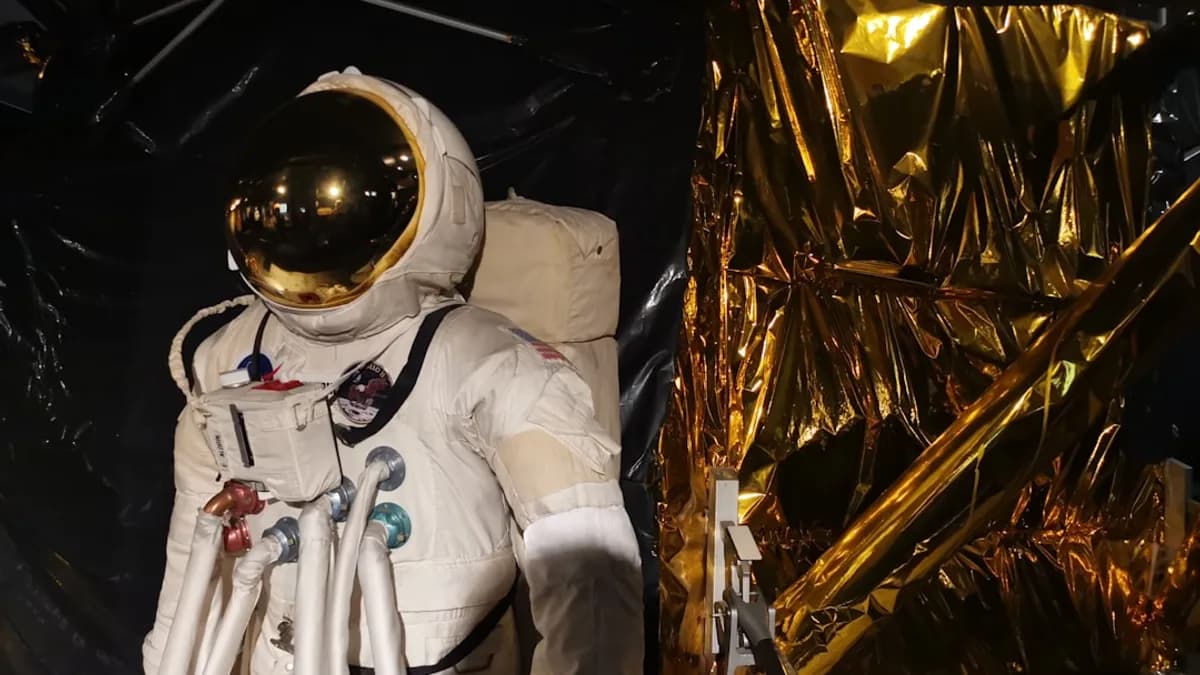
Introduction: The Crucial Role of Spacesuits in NASA’s Lunar Missions
NASA has just one company left making spacesuits for its next Moon missions. This is a big deal, because the Artemis program is all about sending astronauts back to the lunar surface and keeping them safe there. Spacesuits aren’t just fancy outfits—they’re life-support systems and mobile armor rolled into one. Without them, no one can step onto the Moon, let alone work or explore. Right now, NASA’s plan depends on a single spacesuit provider, raising tough questions about timing, risks, and what happens if something goes wrong. This article digs into how ready NASA really is, how spacesuit delays could mess up Moon plans, and what it all means for the future of lunar exploration. [Source: Ars Technica]
The Evolution and Technical Demands of Lunar Spacesuits
Spacesuits have come a long way since Apollo. Back in 1969, Neil Armstrong and Buzz Aldrin wore suits built for short moonwalks. These old suits worked, but they were heavy, stiff, and barely let astronauts move. Today’s suits—like the Extravehicular Mobility Units (EMUs) used on the International Space Station—are more advanced. They let astronauts move better and survive in space for hours. But lunar suits need even more.
The Moon is a harsh place. Temperatures swing from boiling hot to freezing cold. Lunar dust sticks to everything and can scratch, clog, or even damage suit parts. The vacuum is unforgiving—any leak could be deadly. Suits must protect astronauts, let them bend and walk, and keep dust out. For Artemis, NASA wants suits that are tougher, more flexible, and easier to fix. Astronauts will need to kneel, climb, and maybe carry tools or samples. That means joints must bend easily, gloves must work well, and boots must grip slippery rocks.
Designing these suits isn’t quick. Each part gets tested over and over. Even small changes—like a new zipper or helmet—can mean months of extra work. Materials must survive sharp rocks, wild temperature swings, and dust storms. Making a suit that works for everyone—men, women, tall, short—is also tough. Spacesuit development takes years, not months, because every mistake could cost a life. The challenge is bigger than most people realize. [Source: Ars Technica]
Current Status: NASA’s Sole Remaining Spacesuit Provider and Its Challenges
NASA started with several companies competing to build lunar suits. Now, only one provider is left standing: Axiom Space. This shift happened after contract shake-ups and technical setbacks. Axiom won the contract to deliver the Artemis suits, but its path has been rocky. The company has met some important milestones, like early design reviews, but it's also hit delays. Building a lunar suit is harder than making one for the ISS. The Moon’s dust and gravity, plus the need for long walks, push the limits of what’s possible.
Relying on just one supplier is risky. If Axiom runs into trouble—like a broken part, a failed test, or a supply chain snag—NASA has no backup. The supply chain is stretched thin, with some parts coming from small companies or overseas. Even one missing piece can stall everything. Budget limits add more stress. NASA funds are tight, and cost overruns can slow down progress. Technical hurdles—like making suits fit many body types or keeping dust out—have already pushed back deadlines.
If Axiom can’t deliver on time, Artemis may slip. NASA has little control over how fast work goes since it can't shift to another company. There’s also a risk that suits will need last-minute fixes or redesigns, cutting into training time for astronauts. Space agencies usually like to have backups for mission-critical gear. Here, NASA has none. It's a gamble that could pay off—if Axiom nails it—or leave Artemis stranded. [Source: Ars Technica]
Implications of Spacesuit Readiness on Artemis Mission Timelines and Safety
Spacesuit delays could throw Artemis launch dates out the window. Astronauts need months of practice with their suits before flying to the Moon. If suits arrive late, training gets squeezed, and mistakes can creep in. Rushed designs might skip important tests, leaving safety gaps. The Moon is unforgiving—spacesuits must survive sharp rocks, wild temperature swings, and sticky dust. If suits fail, astronauts could be at real risk.
These delays also ripple out to other parts of NASA’s lunar plan. Artemis relies on international partners, like the European Space Agency, who are building parts of the lunar lander and Gateway station. If spacesuits aren’t ready, everything else waits. Scientists planning lunar experiments, engineers building habitats, and countries hoping to send their own astronauts—all get stuck in limbo.
NASA has a few options to manage risk. It could ask Axiom to speed up work, but that’s costly and could lower quality. The agency might start parallel projects, or keep some old suits as backups, but those options are limited. Another idea is to train astronauts for more emergencies—like fixing a suit on the fly or cutting a moonwalk short. But these are stopgaps, not solutions. If the suits aren’t ready and reliable, Artemis can’t go. [Source: Ars Technica]
Looking Ahead: Strategies to Ensure Spacesuit Availability and Mission Success
NASA needs smart moves to avoid being caught flat-footed. One fix is to boost funding and give Axiom more resources. Faster work costs more, but it could keep Artemis on track. Bringing in extra engineers or using new materials might help. NASA could also partner with other companies, even if they haven’t built lunar suits before, to add backup options.
Private industry is key here. Companies like SpaceX and Blue Origin have their own space plans and could join the spacesuit race in the future. New tech—like lighter fabrics, smarter sensors, or 3D-printed parts—could speed up design and testing. Diversifying suppliers is smart. If NASA spreads contracts among several trusted providers, it lowers the risk that one delay stops everything.
Long-term, spacesuit tech should keep improving. Future Moon missions may need suits that last longer, work for more people, and handle Mars-level challenges. NASA’s Artemis suits are a step forward, but the agency needs to think beyond them. Keeping the pipeline open—through research, partnerships, and steady funding—will help astronauts explore not just the Moon, but Mars and beyond. [Source: Ars Technica]
Conclusion: Balancing Ambition and Practicality in NASA’s Lunar Spacesuit Endeavor
NASA’s push to return to the Moon rests on spacesuit readiness. With only one company making suits, the risks are high, and delays could threaten Artemis goals. The challenge is tough, but not impossible. NASA must balance big dreams with careful planning, pushing for innovation while keeping safety first. Whether Artemis launches on time depends on how well NASA adapts, invests, and prepares for surprises. The Moon awaits, but only if the suits—and the people inside them—are ready to go.
Why It Matters
- NASA's reliance on a single spacesuit provider creates significant risk for upcoming Moon missions.
- Delays or failures in spacesuit development could jeopardize the Artemis program's timeline and objectives.
- Advancements in spacesuit technology are critical for astronaut safety and future lunar exploration.