Introduction to the 2026 Lyrid Meteor Shower: What to Expect Tonight
The Lyrid meteor shower will reach its peak tonight, giving sky watchers in the US and UK a chance to see one of the oldest and brightest annual meteor events [Source: Google News]. Experts say you can expect a fresh burst of shooting stars, with the best action happening after midnight. The Lyrids mark the start of the spring meteor season, offering a preview of what’s coming later in the year. If the skies are clear, you won’t need fancy gear—just your eyes and a little patience. This guide will help you catch the best show, whether you’re in a busy city or out in the countryside.
Understanding the Lyrid Meteor Shower: Origins and Characteristics
The Lyrid meteor shower comes from debris left by Comet C/1861 G1 Thatcher. This comet swings through the solar system every 415 years, leaving dust trails that Earth crosses each April. When tiny bits from Thatcher hit our atmosphere, they burn up fast and create bright streaks across the sky.
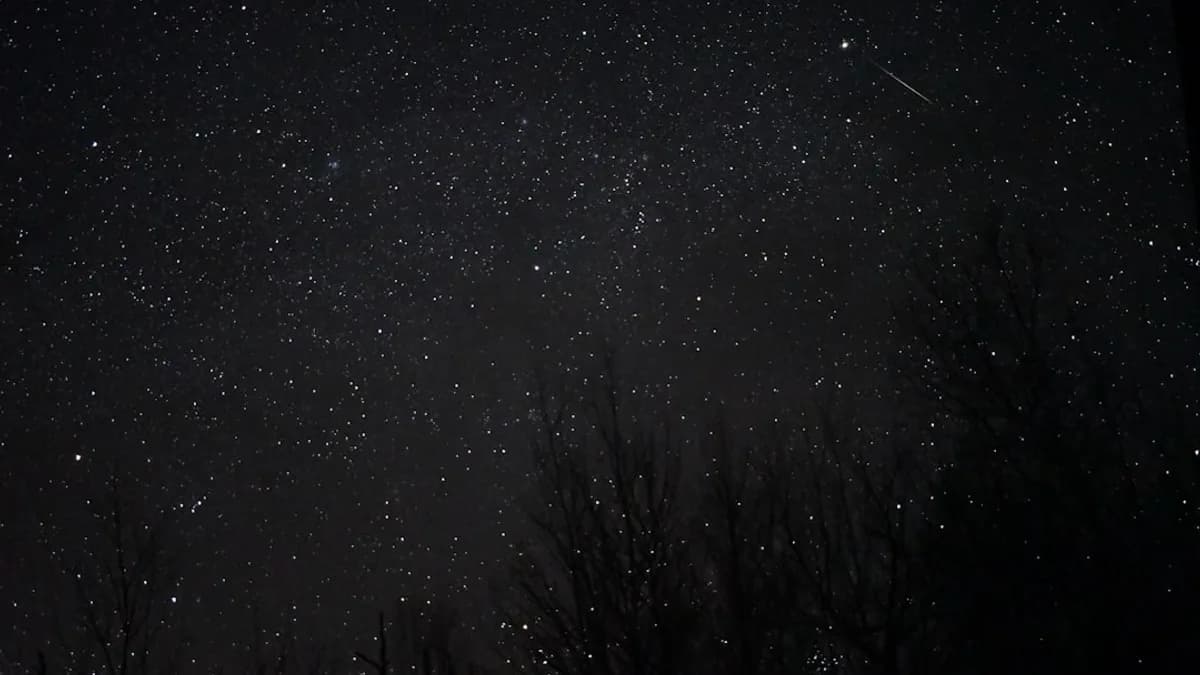
During the peak, you can see about 10 to 20 meteors per hour on a good night. Some years, the Lyrids surprise everyone with stronger bursts—astronomers call these “outbursts,” where rates can jump to 100 meteors per hour. Most Lyrids are quick and bright, sometimes leaving glowing trails called “trains” that hang in the air for a few seconds.
The shower gets its name from the constellation Lyra. That’s where the meteors seem to come from, called the “radiant point.” In April, Lyra rises high in the eastern sky after midnight, making it easier to spot the meteors. The Lyrids have been seen for over 2,600 years. Ancient Chinese records mention spectacular Lyrid storms, and American astronomers have watched them since the 1800s. The Lyrids are special because they’re reliable, but every once in a while, they surprise us with a big show.
How to Watch the 2026 Lyrid Meteor Shower: Best Practices for Viewers in the US and UK
To catch the Lyrids at their best, wait until after midnight when the sky is darkest and Lyra is high. In the US, the peak happens late night on April 22 and early morning April 23. In the UK, it’s a similar window—between 12 a.m. and 4 a.m. local time [Source: Google News]. Meteors often appear anywhere in the sky, but if you find the radiant point in Lyra, you’ll see more.
Lyra's brightest star is Vega, which makes it easy to spot. Look for a small, box-shaped group of stars near Vega. If you’re not sure, astronomy apps like Star Walk or Sky Guide can help you find Lyra and track meteor showers.
Pick a spot away from city lights for the best view. Rural fields, parks, or even your backyard can work if streetlights are far. Clouds and moonlight can ruin the show, so check the weather and aim for a night with clear skies. If the moon is bright, try to look away from it or wait until it sets.
You don’t need a telescope or binoculars. Your eyes are best for spotting meteors, since they cover a wide area. Dress warmly and bring a blanket or chair so you can relax and look up for at least an hour. Let your eyes adjust to the dark for about 15 minutes.
If you want to track meteor rates, you can use apps like Meteor Counter, or join local astronomy groups that offer live updates. Some people listen for “meteor radio echoes”—using radios to catch signals bounced off meteors. It’s a fun way to enjoy the shower, even if clouds spoil the view.
Capturing the Lyrid Meteor Shower: Photography Tips and Notable Images
NASA astronauts have snapped stunning photos of the Lyrids from the International Space Station, showing meteors streaking above Earth’s curve [Source: Google News]. Those shots are rare, but you can get great pictures from your own backyard.
To photograph meteors, use a camera with manual settings. Set your lens to its widest angle and use a tripod to keep the camera steady. Choose a long exposure—10 to 30 seconds is good. Set the ISO high (800 or more) to catch faint streaks, but watch out for too much noise. Point your camera toward Lyra, but meteors can appear anywhere, so try different angles.
If you have a phone, apps like NightCap Camera can help you take long exposures. Meteor showers are unpredictable, so take lots of shots. The best photos often happen by chance.
Some of the most beautiful Lyrid images come from patient amateurs. Recent photos show bright blue and green trails, with city skylines or forests as the backdrop. If you get a good picture, share it online or with local astronomy groups. Your shot might inspire others to look up next time.
Scientific and Cultural Significance of the Lyrid Meteor Shower
Meteor showers like the Lyrids help scientists learn about comets and how our solar system works. Each meteor is a tiny piece of Comet Thatcher. By watching how meteors break up, experts can study what comets are made of and how their orbits change over time.
The Lyrids have a long history in cultures around the world. Ancient Chinese astronomers recorded big Lyrid storms as early as 687 BC. Native American groups used meteor showers as signs for planting crops. In Europe, people once saw meteors as omens, sometimes good, sometimes bad.
Meteor showers spark curiosity and bring people outside to watch the night sky. Events like the Lyrids make astronomy more popular, helping new generations get interested in science and space. Schools, museums, and science centers often use meteor showers as a chance to host stargazing nights and teach about comets, planets, and stars.
Conclusion: Making the Most of the 2026 Lyrid Meteor Shower Experience
Tonight’s Lyrid meteor shower is a simple, free way to connect with the sky. Check the weather, pick a dark spot, and let your eyes adjust. Bring a friend or family and enjoy the show. If you’re taking photos, be patient—meteors can surprise you.
Remember to respect nature. Leave no trash and keep noise down if you’re in a public park. Stay safe and dress warmly. The Lyrids are just the start. More meteor showers are coming this year, so keep your eyes open and stay curious. Watching the sky can turn an ordinary night into something special.
Why It Matters
- The Lyrid meteor shower is a rare, accessible natural event visible to millions in the US and UK.
- It offers a chance to witness ancient cosmic debris from Comet Thatcher, connecting viewers to history and science.
- Meteor showers like the Lyrids inspire interest in astronomy and encourage outdoor nighttime activities.