Introduction to the Lyrid Meteor Shower 2026: What Makes It Special
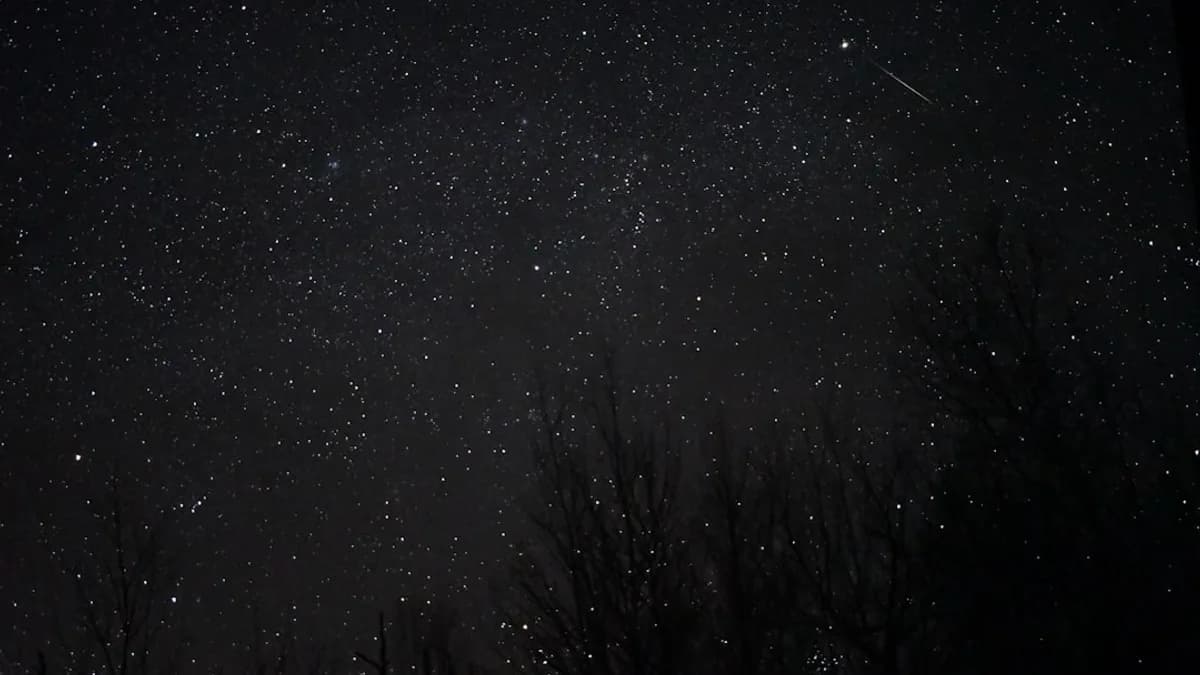
The Lyrid meteor shower hits its peak tonight, making it one of the best sky events of 2026. The Lyrids show up every April, lighting up the sky with quick, bright streaks. People have watched these meteors for over 2,600 years. Ancient Chinese records mention the Lyrids as far back as 687 BC. That makes it one of the oldest known meteor showers.
The meteors come from dust left by Comet Thatcher. As Earth moves through this debris, the tiny bits burn up and make flashes in the sky. What makes the 2026 Lyrid peak extra exciting is a dark, moonless night. This means meteors will be easier to see, and astronomers expect a strong show. Some years, the Lyrids surprise viewers with bursts of more meteors than usual [Source: Google News]. If you’ve never seen a meteor shower, this is a great chance. Even seasoned skywatchers mark their calendars for the Lyrids.
When and Where to Watch the Lyrid Meteor Shower Peak in 2026
The best time to see the Lyrid meteor shower in 2026 is late night April 22 into the early morning hours of April 23. The peak is expected around 2 a.m. local time, wherever you are. At that hour, the sky is darkest and the radiant—the spot where meteors appear to come from—is high overhead.
Most places in the Northern Hemisphere, including the United States, Canada, and Europe, will have a good view. The farther from city lights you are, the better. Parks, fields, and rural areas make ideal spots. If you live in a city, try to find a place with as little light pollution as possible. Streetlights, car headlights, and even porch lights can wash out faint meteors.
Clear skies are key. Check the weather forecast before heading out. If clouds cover the sky, you’ll miss the show. In some years, a bright moon can make it hard to see meteors. This year, the moon will be nearly invisible, so sky conditions will be perfect for viewing [Source: Google News]. Dress warmly, as spring nights can be chilly. Plan to spend at least an hour outside for the best chance to catch the meteors.
Step-by-Step Guide: How to Prepare for and Watch the Lyrid Meteor Shower
You don’t need fancy gear to watch the Lyrid meteor shower. Skip the telescope and binoculars—they narrow your field of view. Meteors streak across wide sections of sky, so you want to look up with your eyes.
Bring a blanket or a reclining chair. You’ll be more comfortable if you can lie back and look straight up. Find a safe, dark spot away from traffic and lights. Turn off your phone or set it to night mode so the screen doesn’t ruin your night vision.
Arrive early to let your eyes adjust to the dark. It takes about 20–30 minutes for your eyes to fully adapt. Look toward the northeast, but don’t fixate only there. Meteors can appear anywhere in the sky.
Bring snacks, water, and dress in layers. Spring nights can be cold, so a jacket, hat, and gloves help. If you’re in a group, remind everyone to keep quiet—talking can distract from the experience. If you want to record meteors, use a camera with a wide lens and long exposure. But don’t worry about catching every streak. Just enjoy the moment.
Safety matters. Make sure your viewing spot is safe from animals, traffic, or hazards. Always let someone know where you’ll be, especially if you’re heading out alone. If you have kids, bring extra blankets and check the area for safe footing.
Understanding the Science Behind the Lyrid Meteor Shower
Meteor showers happen when Earth crosses paths with leftover debris from comets. For the Lyrids, the debris comes from Comet Thatcher. As Earth moves through Thatcher’s dust trail, tiny bits hit our atmosphere at speeds over 100,000 miles per hour. The friction makes them burn up, creating bright streaks called meteors.
Each meteor is usually smaller than a pebble. The heat and speed turn them into glowing trails that we see as “shooting stars.” The Lyrids often produce about 15–20 meteors per hour at peak. Some years, the number jumps much higher, reaching over 100 meteors per hour during rare bursts, known as “meteor storms” [Source: Google News].
The Lyrids are known for fast, bright meteors, and sometimes leave glowing trails called “trains” that last for seconds. Unlike some showers, the Lyrids don’t need special equipment to enjoy. Just look up and watch the show unfold.
Additional Celestial Events to Watch: Aurora Borealis and Other Night Sky Phenomena
This year, something extra might happen: the aurora borealis, or northern lights, could show up the same night as the Lyrid peak [Source: Google News]. If there’s strong solar activity, the auroras can paint the sky with green, pink, or purple waves. You’ll notice auroras as glowing patches or moving curtains, while meteors look like quick, sharp streaks.
If you’re in northern states like Alaska, Minnesota, or Canada, you may see both meteors and auroras. The combination makes for a rare treat. Around the same time, you may spot bright planets like Jupiter or Mars. Satellites and the International Space Station sometimes cross the sky as steady, moving dots. Unlike meteors, satellites don’t leave quick trails.
Check astronomy apps or local news for more events. With a little planning, you can catch several sky wonders in one night.
Implications and Benefits of Meteor Shower Viewing for Science and Public Engagement
Meteor showers help scientists learn about comets and the makeup of space debris. By tracking meteors, researchers figure out how comets age and where their dust goes. Sometimes, meteors leave bits that reach the ground, called meteorites. These pieces tell scientists about the early solar system.
Public events for meteor showers draw crowds, spark curiosity, and teach people about space. Schools, museums, and astronomy clubs often host viewing nights. These gatherings turn science into something fun and social. Kids and adults alike get excited about space, which helps build interest in science careers.
Watching meteor showers is a simple way to connect with nature and the universe. It reminds us that big things happen above our heads, even if we’re busy on the ground.
Conclusion: Making the Most of the Lyrid Meteor Shower 2026 Experience
The Lyrid meteor shower peaks tonight, with the best viewing from late evening to early morning. Find a dark, safe spot, bring warm clothes, and let your eyes adjust. Don’t miss the chance to see bright meteors, and maybe even the aurora borealis.
Meteor showers are easy to enjoy and bring people together. Watching the night sky makes us feel connected to something bigger. Take a break, look up, and let the Lyrids remind you how amazing the universe can be.
Why It Matters
- The Lyrid meteor shower is one of the oldest observed meteor showers, connecting viewers to centuries of astronomical history.
- A moonless night in 2026 will provide ideal conditions for seeing more meteors, making this year's event especially notable.
- The Lyrid peak is accessible to most people in the Northern Hemisphere, providing a rare and easy opportunity for skywatching.