
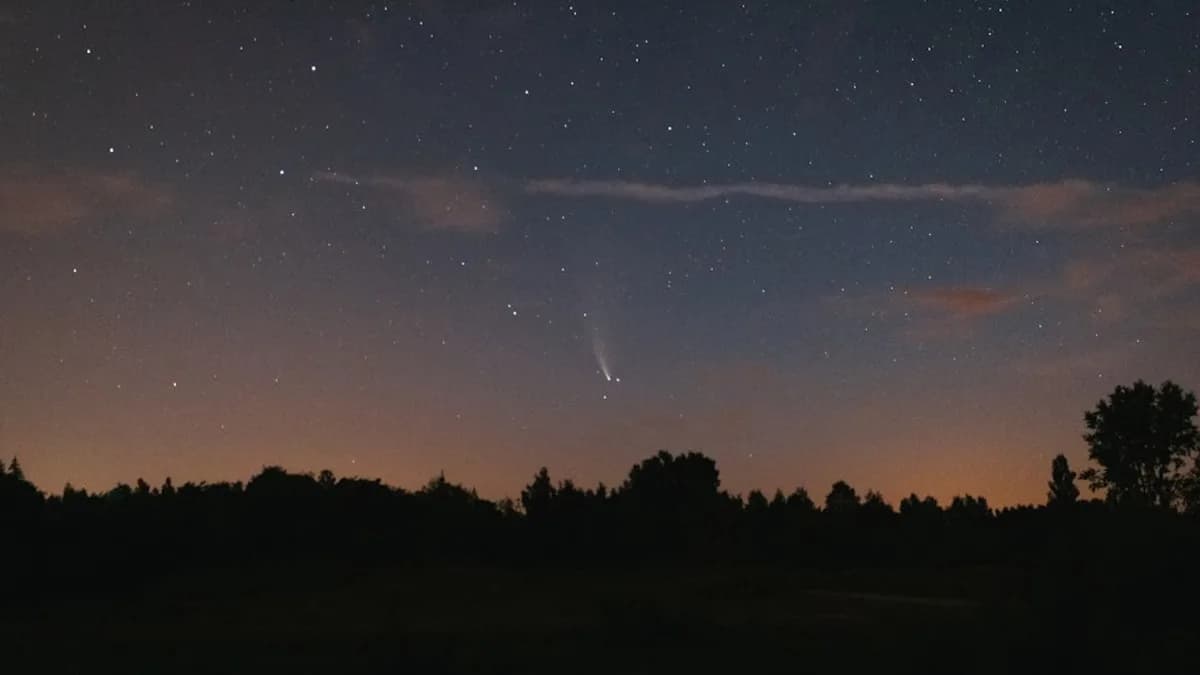



Introduction to the Lyrid Meteor Shower 2026: What to Expect
The Lyrid meteor shower will reach its peak on April 22, 2026, lighting up the sky with bright, fast-moving streaks. This annual event is known for meteors that can leave glowing trails and sometimes burst into fireballs. The Lyrids have been seen for over 2,500 years, making them one of the oldest known meteor showers. In 2026, experts expect about 15 to 20 meteors per hour during the peak, though sometimes the numbers jump even higher [Source: Google News]. This year, the Moon will be nearly invisible, so there will be less light in the sky and meteors will be easier to spot. Whether you watch from your backyard or online, the Lyrids promise a show that connects us to ancient sky watchers and sends bits of history flashing overhead.
Best Times and Locations to Watch the Lyrid Meteor Shower in 2026
The best time to catch the Lyrids is late at night and just before dawn on April 22. The shower peaks when the radiant point, near the star Vega in the Lyra constellation, rises high in the sky. In most places across the Northern Hemisphere, the prime viewing window runs from midnight until sunrise. Meteors are easier to see away from city lights. If you live in a city with lots of street lamps, try to find a park, field, or backyard that’s dark and open.
Places like rural Wisconsin, Montana, and the countryside in Pennsylvania are great examples where you’ll see more meteors [Source: Google News]. Even if you’re in a city, you can still spot meteors, but you might only catch the brightest ones. Pick a spot where you can see as much sky as possible. Avoid trees or tall buildings. Lie on your back, look up, and be patient. If possible, let your eyes adjust for at least 20 minutes—this helps you spot the faintest streaks. Remember, the Lyrids can surprise you with sudden bursts, so stay outside a while if you can.
How to Watch the Lyrid Meteor Shower Online: Top Free Livestreams for 2026
If you can’t get outside, you can still watch the Lyrids live from your couch. Several websites will stream the meteor shower for free in 2026. Here are some top choices:
NASA TV and NASA YouTube: NASA’s official channels will offer livestreams with expert commentary. You can watch these on your phone, tablet, computer, or smart TV. Just search “NASA Lyrid livestream 2026” on YouTube or go to NASA’s website.
Virtual Telescope Project: This popular site lets you watch live video from telescopes in Italy and other spots with great sky views. Visit virtualtelescope.eu and click on their Lyrid event link.
Slooh: Slooh hosts interactive streams where astronomers answer questions and show meteors in real time. You can find their events at slooh.com and join from your device.
Astronomical Societies: Groups like the American Meteor Society and local astronomy clubs often post links to free YouTube or Facebook livestreams. Check their sites or social media a few days before the peak.
To join, just click the livestream link. Many streams let you chat with experts, ask questions, or even vote for telescope angles. Some sites offer instant photo uploads so you can share what you saw. Watching online can be a fun way to learn, especially if you want to hear from astronomers or see meteors from places with clearer skies. These streams start around midnight and run into the early morning, just like the real shower.
Preparing for the Lyrid Meteor Shower: Essential Tips for a Great Viewing Experience
If you’re heading outside, bring a blanket or reclining chair so you can look up comfortably. April nights are chilly, so wear warm clothes, hats, and gloves. Pack snacks and water, especially if you plan to stay out for hours. Don’t forget bug spray if you live somewhere with early mosquitoes. Turn off your phone’s flashlight—bright screens make meteors harder to spot.
Let your eyes adjust to the darkness. This takes about 20 minutes. Avoid looking at car headlights or phone screens while you wait. If you’re with friends, use red light flashlights; red light is easier on your eyes and won’t ruin your night vision. Always tell someone where you’ll be, and bring a buddy if you can. Make sure your spot is safe and easy to get to in the dark. If you’re near roads or water, stay aware and don’t wander. Stargazing is safest in groups.
Understanding the Science Behind the Lyrid Meteor Shower
The Lyrid meteors come from the dusty trail left by Comet Thatcher, a comet that passes near Earth every 415 years. When our planet moves through this trail, tiny pieces of comet dust hit our atmosphere at high speed. They burn up, making the bright streaks we call meteors. The shower gets its name from the constellation Lyra, because the meteors seem to shoot away from that spot in the sky.
Most Lyrid meteors are quick and leave faint trails, but the shower is famous for surprise fireballs—big, bright meteors that light up the sky. Usually, people see 15 to 20 meteors per hour, but some years the number spikes. This happens when Earth hits a thicker part of the comet’s trail, which is hard to predict [Source: Google News]. The Lyrids are one of the few showers that can show both steady rates and these wild bursts, which keeps astronomers excited every year.
Implications and Enjoyment: Why Watching Meteor Showers Matters
Meteor showers like the Lyrids have inspired people for thousands of years. Ancient cultures saw meteors as signs or messages from the gods. Today, scientists use meteor showers to learn about comets and how our solar system works. Watching the Lyrids can spark interest in space and science, especially for kids and families.
Sharing photos or stories online helps others get excited about astronomy. Posting your best shots on social media or joining livestream chats lets you connect with people around the world. Meteor showers remind us to look up, slow down, and wonder about what’s out there. They’re a simple way to take part in science, even if you’re just lying on your back in the grass.
Conclusion: Make the Most of the 2026 Lyrid Meteor Shower Experience
To catch the Lyrids in 2026, find a dark spot, dress warm, and let your eyes adjust. If you can’t go outside, join a free livestream and watch with friends or family. Mark April 22 on your calendar and plan ahead. After the Lyrids, keep an eye out for other sky events—there’s always something new overhead to discover. Watching meteor showers is a hobby anyone can enjoy, and each year brings a fresh chance to see something amazing.
Why It Matters
- The Lyrid meteor shower is one of the oldest and most reliable annual celestial events.
- Low moonlight in 2026 means viewers can see more meteors, even from urban areas.
- Free online livestreams make this natural spectacle accessible to anyone, anywhere.