


Introduction to MASLD and MASH: Understanding the Growing Liver Disease Epidemic
Fatty liver disease is rising fast around the world. Doctors call it Metabolic Dysfunction-Associated Steatotic Liver Disease (MASLD) and Metabolic Dysfunction-Associated Steatohepatitis (MASH). MASLD is when fat builds up in the liver, often because of obesity or diabetes. MASH is more serious—it means the liver is inflamed, and can get scarred, leading to liver damage.
About one in three adults now has some form of fatty liver disease, and rates are climbing, especially as more people struggle with weight or diabetes. That means millions are at risk for liver failure, cancer, or other health problems. But it’s hard to spot MASLD early, because many people have no symptoms. There are few good medicines, so doctors mostly rely on diet and exercise to help. The need for better ways to treat and manage fatty liver disease is urgent [Source: Google News].
Breakthrough Study Reveals Two Common Drugs That May Reverse Fatty Liver Disease
A new study says two well-known drugs might actually reverse fatty liver disease. The researchers found that these drugs helped reduce fat and scarring in the liver. This is a big deal, because most current treatments only slow the disease down—they don’t reverse it.
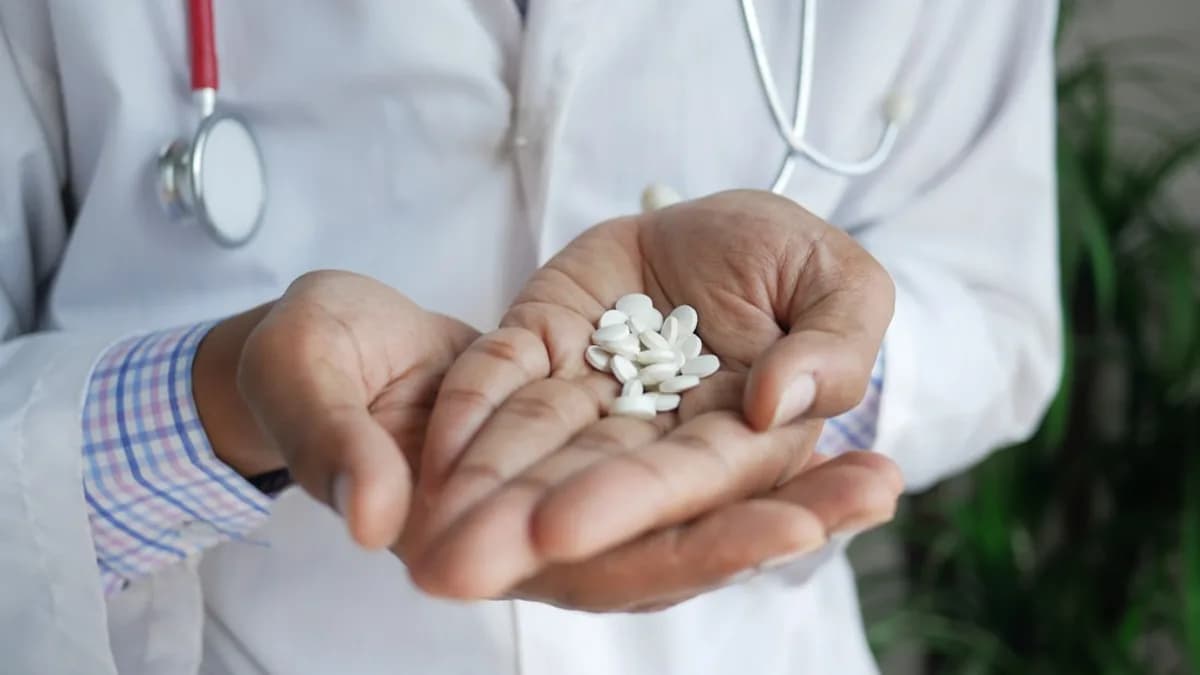
The drugs are metformin, used to treat diabetes, and statins, used to lower cholesterol. Both are prescribed millions of times a year. The study showed that, in people with MASLD and MASH, metformin and statins made liver cells healthier and cut inflammation. Metformin works by improving how the body uses sugar and lowering insulin levels. Statins lower bad cholesterol and fight inflammation in the liver.
Doctors already trust these drugs for other health problems, so they know the side effects and safety risks. But using them for fatty liver disease could change how doctors treat this illness. Still, the study was early, and more research is needed to prove that these drugs work in larger groups of patients [Source: Google News].
Comparing New Drug Therapies with Existing Treatment Options for MASLD and MASH
Today, most doctors tell patients to lose weight, eat better, and exercise to treat MASLD and MASH. These steps do help, but they are hard to stick to. Obesity drugs like semaglutide or liraglutide are being used more often, and they help some people lose weight and improve liver health. But they can be expensive and may cause side effects like nausea or stomach pain.
Some clinics use intragastric balloon therapy. This is a procedure where a balloon is put into the stomach to make people feel full faster, helping them eat less and lose weight. It’s less risky than surgery, but it doesn’t work for everyone, and it can cause problems like vomiting or balloon leaks [Source: Clinical Advisor].
The new study on metformin and statins could offer a simpler way to treat fatty liver disease. Because these drugs are already approved and used for other conditions, doctors can prescribe them easily, and insurance may cover them. Compared to newer obesity drugs, metformin and statins are cheaper and have been studied for decades. If they really work for MASLD and MASH, they could help many more people, especially those who can’t lose weight or afford expensive treatments. But experts warn that more trials are needed before these drugs become the main therapy.
Implications of Drug Repurposing for Liver Disease: Benefits and Challenges
Repurposing common drugs like metformin and statins could make MASLD and MASH treatment easier and cheaper. Since these medicines are already on the market, doctors know how they work and what side effects to watch for. This could speed up access, especially for people in low-income areas who can’t afford new drugs.
But there are risks. Metformin can cause problems in people with kidney issues, and statins sometimes lead to muscle pain or rare liver damage. For patients with advanced liver disease, these side effects could be worse. There’s also the question of how well the drugs work for fatty liver disease compared to other treatments.
Regulators like the FDA need strong proof before recommending new uses for old drugs. That means clinical trials with lots of patients, which can take years and cost millions. Researchers also need to check how metformin and statins interact with other medicines, and whether certain groups—like older adults or those with severe liver damage—should avoid them.
But if the hurdles are cleared, using familiar drugs for fatty liver disease could help millions. It could cut costs, speed up treatment, and make care more fair for people everywhere [Source: Google News].
Future Directions: The Race for Effective Liver Antifibrotics and Integrated MASLD Management
Scientists are working hard to find new drugs that stop or reverse liver scarring, also called fibrosis. Antifibrotic drugs aim to halt the damage that leads to cirrhosis or liver cancer. Right now, there are no approved antifibrotics for MASLD or MASH, but several are in trials. One example is selonsertib, which targets fibrosis, but early studies have mixed results.
Doctors now see that treating fatty liver disease needs a team approach. It’s not just about drugs; it’s about helping patients change their diets, exercise, and manage diabetes or high blood pressure. Some clinics use nutritionists, psychologists, and liver specialists together to help patients stick to treatment.
If metformin and statins prove safe and effective, they could be part of this team. Combined with antifibrotics, weight-loss drugs, and lifestyle coaching, they might make liver disease easier to control. New advances in blood tests or imaging could help spot MASLD earlier, so doctors can start treatment before the liver gets badly damaged.
In the next few years, the mix of old and new drugs, better screening, and team care could make a big difference. More people might avoid liver failure, hospital stays, or even transplants. But researchers say it’s a race—many drug companies are testing new medicines, and doctors are waiting for results.
Conclusion: Evaluating the Potential Impact of Common Drugs on the Fatty Liver Disease Landscape
The new study on metformin and statins offers hope for people with fatty liver disease. Using common drugs to reverse MASLD and MASH could change how doctors treat these illnesses, making care cheaper and faster [Source: Google News]. But this is only the start. More research and big trials are needed to prove these drugs work well for liver disease, and to check safety.
Patients and doctors should watch for new results, and focus on early screening and healthy habits. The fight against fatty liver disease is growing, but with smarter treatments and more teamwork, outcomes can improve. The next steps: more studies, more awareness, and better ways to help people at risk.
Why It Matters
- Fatty liver disease affects 1 in 3 adults, posing a major global health threat.
- Repurposing metformin and statins could offer accessible treatments for millions at risk.
- The study suggests hope for actually reversing liver damage, not just slowing it.