Introduction to the 2026 Lyrid Meteor Shower: What to Expect
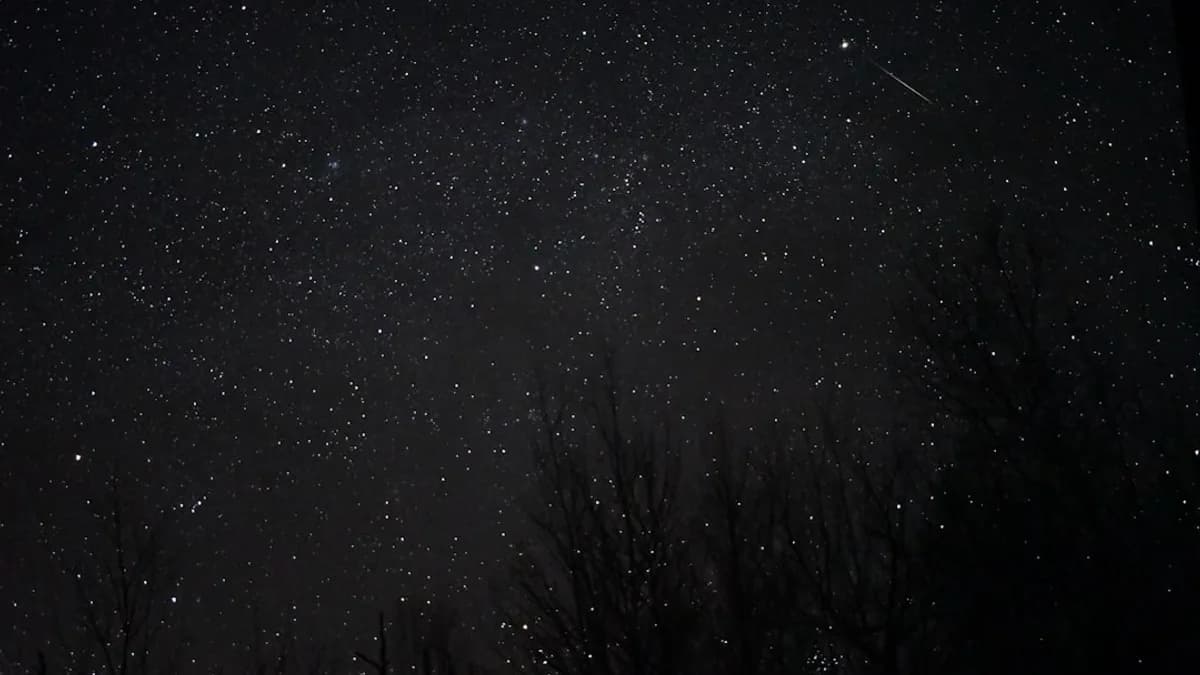
The Lyrid meteor shower will spark across the sky in April 2026, bringing bright shooting stars for skywatchers everywhere. This annual event has wowed people for over 2,600 years, making it one of the oldest known meteor showers. Every spring, the Lyrids show up around Earth’s orbit like clockwork. Most years, you can expect to see around 10–20 meteors per hour. Some meteors leave glowing trails behind them, and a few are so bright they light up the whole sky.
In 2026, the Lyrid meteor shower is special because the moon will be close to full, which might make fainter meteors harder to see. Still, the brightest Lyrids can cut through moonlight and put on a good show. If you’ve never seen a meteor shower, the Lyrids are easy to spot. All you need is a clear night, a dark place, and some patience. [Source: Google News]
When and Where to Watch the 2026 Lyrid Meteor Shower for Optimal Viewing
The best time to see the Lyrid meteor shower in 2026 will be the night of April 22 and early morning of April 23. The shower peaks between midnight and dawn, so staying up late or waking up early gives you the best chance to catch those shooting stars. The farther you get from city lights, the better your view. Wide open spaces and places with little light pollution are your friends for meteor watching.
In the United States, places like rural Kentucky, Arizona, and parts of New Jersey are known for good Lyrid views. Maps from weather sites and astronomy groups show where clouds and moonlight might spoil the show, so checking a meteor shower forecast before you head out is smart. Globally, the Lyrids can be seen almost anywhere, but Northern Hemisphere locations have the edge because the constellation Lyra—the spot where meteors seem to come from—is higher in the sky.
The moon will be nearly full in 2026, which means some faint meteors might be hidden by moonlight. For the best results, try to find a spot where the moon is blocked by trees or buildings. Weather also matters. Clear skies are a must, so watch local forecasts for cloud cover. Some websites, like the American Meteor Society or Newsweek’s sky maps, update viewing conditions in real time. If you plan ahead and check the maps, you’ll know exactly when and where to watch for the Lyrids. [Source: Google News]
Step-by-Step Guide: How to Prepare for a Successful Lyrid Meteor Shower Viewing
To watch the Lyrid meteor shower in 2026, pick a spot far from city lights. Parks, fields, and country roads work well. Look for a place with a wide view of the sky and no tall trees or buildings blocking your sight. Dark skies are key—if you can see lots of stars, you’re in the right spot. For city dwellers, drive at least 20–30 miles outside town for a big improvement in what you see.
Dress warm, even in spring. Temperatures drop at night, especially if you’re out for hours. Bring a blanket, jacket, and maybe a hat. A reclining lawn chair or camping chair helps you stay comfortable while looking up. Snacks and drinks keep you happy, and a thermos of hot tea or cocoa can be a lifesaver.
A few simple tools make meteor watching even better. Download a free stargazing app like SkyView or Star Walk to help you find the constellation Lyra. The Lyrids appear to shoot from this spot in the sky, so knowing where it is helps you aim your gaze. Red flashlight covers help you see without ruining your night vision. A notebook lets you count meteors and jot down cool moments.
Give your eyes time to adjust. After you get settled, turn off all lights and wait at least 20 minutes. Your eyes will get used to the darkness, and you’ll spot more meteors. Avoid phone screens and bright lights. Stay still and look up—meteors can zip across any part of the sky, but most will shoot from Lyra.
Lastly, bring friends or family. Meteor showers are more fun together, and sharing the excitement makes the night memorable. If you want to track meteors, apps like Meteor Counter let you log what you see and compare it with others. The Lyrids are a perfect reason to get outside and marvel at the universe.
Understanding the Science Behind the Lyrid Meteor Shower
The Lyrid meteors come from tiny bits of dust left behind by Comet Thatcher. As Earth moves through these old trails of debris, the bits burn up in our atmosphere and show up as quick, bright streaks. Comet Thatcher swings by our part of the solar system every 415 years, but its leftovers stick around, ready to light up the sky each April.
The meteors look like they shoot from the constellation Lyra, near the bright star Vega. This spot is called the “radiant.” It’s just an illusion, caused by the way the comet’s dust enters Earth’s atmosphere. Lyrid meteors travel fast—around 30 miles per second. Some are bright white, while others show blue or green colors from burning metals.
Scientists study showers like the Lyrids to learn about space dust and how comets change over time. By tracking meteor rates and colors, experts can measure how much debris is in space and how it moves. Meteor showers also help us understand what might happen if bigger chunks ever head toward Earth. [Source: Google News]
Tips for Photographing the 2026 Lyrid Meteor Shower Like a Pro
If you want to capture Lyrid meteors in photos, use a camera with manual settings. Set your lens to its widest opening (like f/2.8) and use a high ISO (800–3200) to catch faint meteors. Choose a shutter speed of 10–30 seconds—this lets the camera soak up more light and record streaks.
A tripod is a must. It keeps your camera steady for long shots. If you have a remote shutter or timer, use it to prevent shaking. Wide-angle lenses (14–24mm) pull in more sky and give you a better chance to catch meteors.
Try shooting a time-lapse. Take many photos in a row, then combine them later to show meteors zipping across the night. For post-processing, use simple editing tools to boost contrast, sharpen stars, and cut out light pollution. Apps like Lightroom or Snapseed are great for beginners.
Remember, patience is key. You might need to take dozens of photos before you catch a meteor. Keep your gear safe from dew and cold, and check your batteries—they drain faster in chilly weather. With some practice, you’ll have photos worth sharing with friends.
Conclusion: Making the Most of the 2026 Lyrid Meteor Shower Experience
The best time to see the Lyrid meteor shower in 2026 is late night on April 22 and early morning on April 23. Find a dark spot, bring warm clothes, and watch the sky for bright streaks. Even with a bright moon, the Lyrids can still surprise you with fast, glowing meteors.
Share the experience with friends and family. Take photos, count meteors, and enjoy the thrill of watching space in action. Always check the weather before you head out, and use apps and maps to guide your plans. Meteor showers happen every year, and each one is a chance to learn, connect, and see something rare.
Looking ahead, keep your eyes open for other showers like the Perseids or Geminids. Each event is a new adventure, and with a little planning, you’ll always be ready for the next big night under the stars. [Source: Google News]
Why It Matters
- The Lyrid meteor shower is one of the oldest and most accessible annual astronomical events.
- In 2026, nearly full moonlight will impact visibility, making timing and location more important.
- Knowing optimal viewing times and places helps viewers maximize their meteor-watching experience.