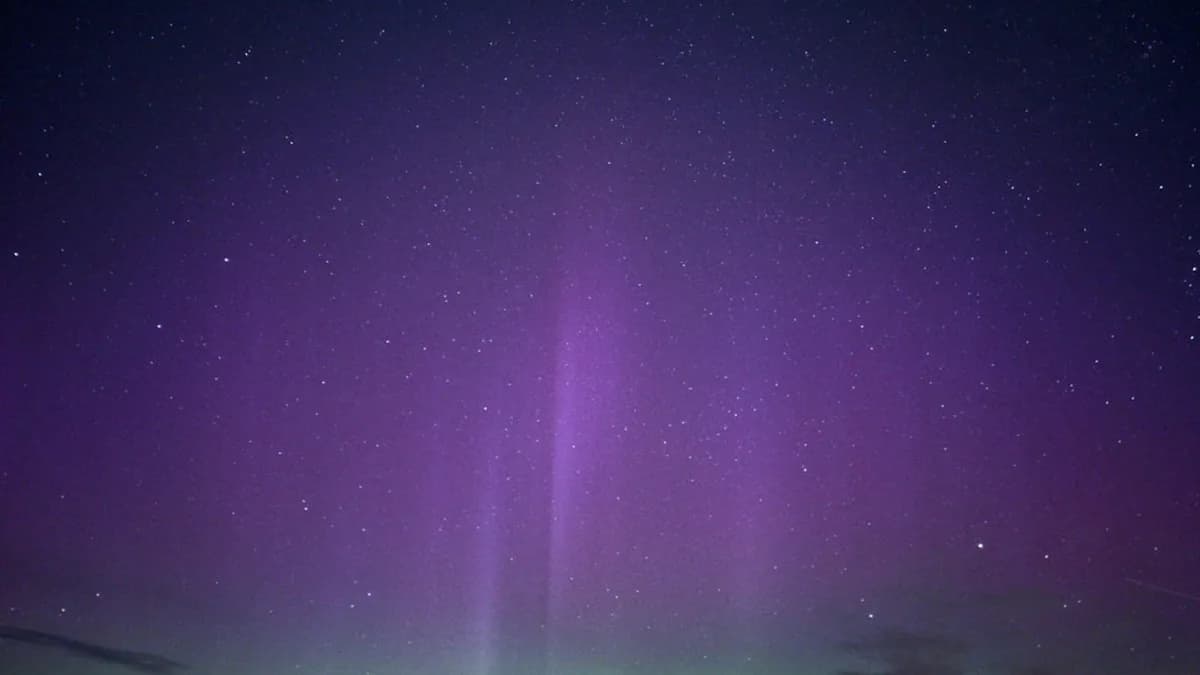
Introduction: Witnessing the Aurora Borealis Across the U.S.
Overnight between April 16 and 18, the aurora borealis—commonly known as the northern lights—may be visible across nearly one-third of the United States, offering a rare spectacle for millions of Americans. Typically reserved for regions much farther north, this dazzling light show is expected to reach as far south as Illinois and Oregon, with the most vibrant displays forecasted in 18 states from the Pacific Northwest to the Midwest and Northeast [Source: Source]. For many, this is a once-in-a-lifetime chance to witness an extraordinary natural phenomenon without leaving home.
This article is designed to help readers understand the science behind the aurora borealis, identify best viewing locations and times, prepare for a successful outdoor experience, and capture memorable photos. Whether you’re a seasoned skywatcher or simply curious, these practical tips will guide you to make the most of this unique opportunity.
Understanding the Aurora Borealis and Its Visibility
The aurora borealis occurs when charged particles from the sun collide with Earth’s atmosphere, creating spectacular displays of color that ripple across the night sky. These particles, carried by solar winds, interact primarily with oxygen and nitrogen in the upper atmosphere, producing shades of green, pink, and occasionally red or violet. The phenomenon is usually seen in high-latitude regions, such as Alaska or Canada, due to their proximity to the magnetic poles.
Visibility depends on several factors: solar activity (like geomagnetic storms), geographic location, and atmospheric conditions. When a strong solar storm occurs—like the one forecasted for April 16-18—it can push the auroral oval farther south, making the lights visible in states not typically known for aurora sightings [Source: Source]. This is why residents as far south as Illinois and Oregon are being advised to watch the skies, a rare occurrence driven by elevated solar activity.
Optimal aurora viewing conditions include clear, dark skies, minimal light pollution, and a location with an unobstructed northern horizon. Even with a strong geomagnetic storm, heavy cloud cover or city lights can diminish the spectacle. Understanding these basics will help maximize your chances of witnessing the northern lights.
Where and When to See the Northern Lights on April 16-18
According to forecasts, the aurora borealis is expected to be most vibrant in the following 18 states: Alaska, Washington, Oregon, Idaho, Montana, North Dakota, South Dakota, Minnesota, Wisconsin, Michigan, New York, Vermont, New Hampshire, Maine, Massachusetts, Pennsylvania, Iowa, and Illinois [Source: Source]. Residents in these areas should prepare for overnight viewing, as the aurora is best observed during the darkest hours—typically between 10 p.m. and 2 a.m. local time.
Weather conditions play a critical role; clear skies are essential, so checking local forecasts before heading out is important. Light pollution from urban areas can significantly reduce visibility, so seek out rural or remote spots away from city lights. National parks, open fields, and lakeshores are ideal locations.
To stay updated on real-time aurora forecasts and alerts, use resources like the National Oceanic and Atmospheric Administration’s (NOAA) Space Weather Prediction Center or apps such as Aurora Alerts and My Aurora Forecast. These tools provide live updates on geomagnetic activity, cloud cover, and visibility maps, helping you plan your excursion for the best chance of success.
How to Prepare for a Successful Aurora Viewing Experience
Choosing the right location is key to a memorable aurora viewing. Look for dark, open areas with a clear view of the northern horizon, away from artificial lights. Rural parks, countryside fields, or mountain tops often offer ideal conditions.
Dress warmly, as nighttime temperatures can drop sharply, especially in northern states. Layered clothing, hats, gloves, and insulated boots are recommended. Bring blankets or chairs for comfort, and consider packing hot drinks to stay cozy during your wait.
For those hoping to capture the event, a camera with manual settings, a tripod, and extra batteries are invaluable. Even smartphones can produce impressive results if stabilized and set to night mode. Download aurora tracking apps to receive instant updates and adjust your plans as needed.
Safety is paramount. Inform friends or family of your plans, carry a flashlight or headlamp, and avoid unfamiliar or hazardous terrain. If possible, go with companions—both for safety and to share the experience. Plan your route ahead of time and allow for extra travel time, as popular viewing spots may be crowded.
Capturing the Aurora: Photography Tips for Beginners
Aurora photography doesn’t require professional equipment, but some basic knowledge goes a long way. For DSLR or mirrorless cameras, set your ISO between 800 and 3200, use a wide aperture (f/2.8 to f/4), and try long exposures of 5–20 seconds to capture the vibrant colors. Use a tripod to prevent camera shake and ensure sharp images.
Smartphones have improved in low-light photography—activate night mode, stabilize the device, and experiment with exposure settings. Apps like NightCap or ProCam offer manual controls for more advanced users.
To avoid blurry images, use a remote shutter or timer function, and keep your camera steady. After capturing your shots, enhance them with basic post-processing tools—adjust brightness, contrast, and saturation for more dramatic results.
Remember, patience is key. Take multiple shots at different settings, and don’t forget to enjoy the experience firsthand, not just through your lens.
What to Do If You Miss This Aurora Event
Aurora sightings are inherently unpredictable, and even with optimal conditions, you may miss the display due to weather, timing, or other factors. Fortunately, there are resources to help track future aurora opportunities. Websites like NOAA’s Space Weather Prediction Center and apps such as Aurora Alerts provide ongoing forecasts and solar activity updates.
If you miss this event, consider virtual alternatives—live streams from observatories in Alaska or Norway often broadcast aurora displays in real-time. For those inspired to travel, aurora tours in northern regions offer reliable chances to witness the spectacle.
Stay prepared by following aurora forecasts, setting alerts, and keeping your gear ready. With solar activity expected to remain elevated in the coming years, more opportunities may arise.
Conclusion: Making the Most of This Rare Northern Lights Opportunity
This week’s aurora borealis event offers a rare chance for millions across the U.S. to witness one of nature’s most captivating phenomena. To maximize your experience, choose a dark, open location, check real-time forecasts, dress warmly, and bring the right gear for viewing and photography. Share the moment with friends and family, and respect nature—leave no trace, follow local regulations, and stay safe.
Even if you miss this event, stay engaged with aurora forecasts and consider virtual or travel alternatives. For more updates on natural phenomena and practical tech tips, follow MLXIO—your trusted source for well-sourced, accessible news and guides.