Introduction to the 2026 Lyrid Meteor Shower: What to Expect
Bright streaks of light will fill the night sky as the 2026 Lyrid meteor shower reaches its peak. The Lyrids are famous for being one of the oldest known meteor showers. People have watched them for over 2,700 years. Each April, the Lyrids put on a show, with dozens of meteors flashing overhead. In 2026, the shower will peak late at night on April 22 and early morning April 23. This year, photographers on Earth and in space are sharing amazing photos of the event, showing glowing trails and bursts of light across the sky [Source: Google News].
The Lyrids are special because they often show bright meteors with long trails. Sometimes, they even leave glowing dust behind for several seconds. Scientists and skywatchers around the world look forward to this event every year. The photos coming in from ground cameras and satellites make the Lyrids feel even more magical. If you like stargazing, 2026 is a great year to watch the Lyrids and see the beauty for yourself.
Best Viewing Locations and Times for the 2026 Lyrid Meteor Shower
The best time to watch the Lyrid meteor shower is between midnight and dawn, especially during the peak night of April 22-23. Meteors are easiest to spot when the sky is dark and the radiant point, which is near the constellation Lyra, is high overhead. If you want the best view, find a place away from city lights. The darker the sky, the more meteors you’ll see.
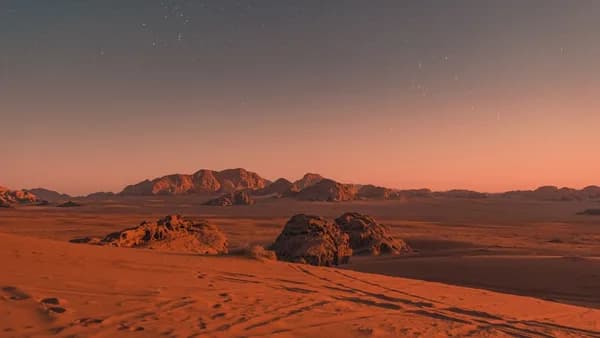
Some top locations for watching the Lyrids include rural parts of Iowa, the Florida Panhandle, and other wide-open spaces. In Iowa, people are talking about the chance to see both the Lyrids and the northern lights at the same time [Source: The Des Moines Register]. The Florida Panhandle is another prime spot, with clear skies and open beaches making a perfect setup for skywatching [Source: Pensacola News Journal].
To prepare, check the weather forecast. Clear skies are key. Bring a blanket, warm clothes, and maybe a reclining chair so you can relax and look up for hours. No telescope is needed—your eyes work best for meteor showers. If you want to take pictures, use a tripod and a camera that can handle long exposures.
Apps like SkyView, Star Walk, and Stellarium help you find the radiant point and track meteor activity. Set your phone to night mode so your eyes stay adjusted to the dark. Experts suggest arriving early, letting your eyes adjust for at least 30 minutes, and turning off all white lights. If you’re with friends, share tips and snacks to make it a fun night. The Lyrids move fast, so keep watching—some years bring surprise bursts with more meteors than expected.
Stunning Visuals: Highlights from Earth and Space Photography of the Lyrids
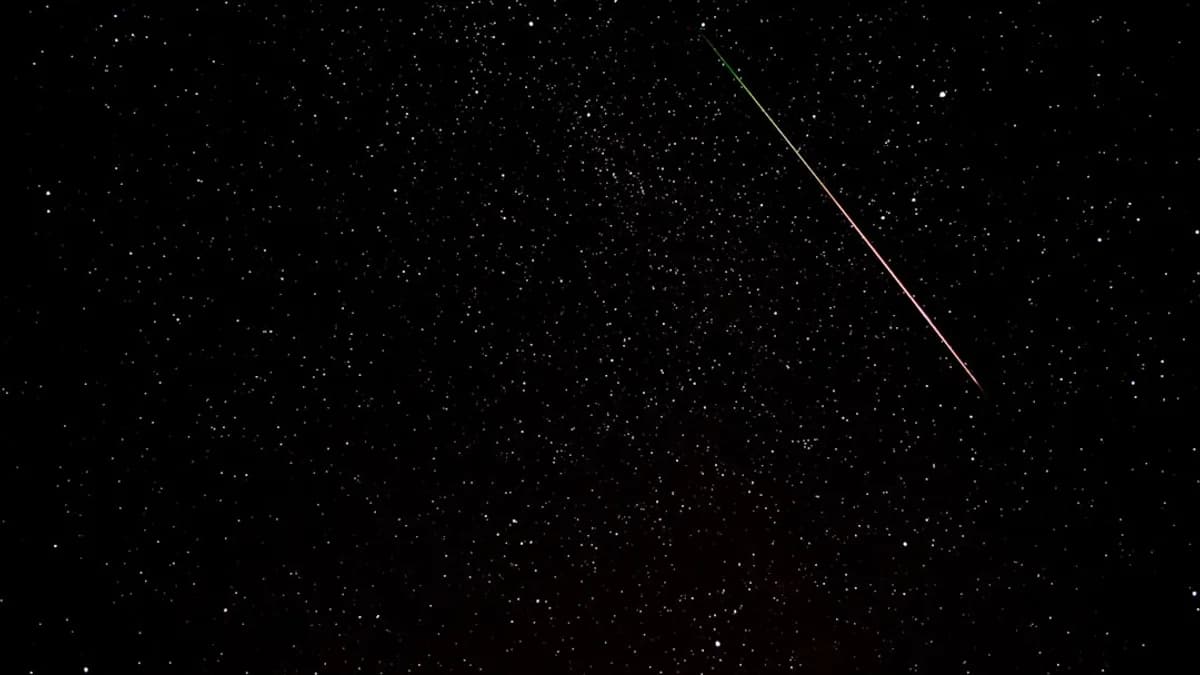
Photos of the 2026 Lyrid meteor shower are making headlines, showing the power and beauty of nature. On the ground, skywatchers have snapped pictures of dazzling meteor trails crossing the sky. Some meteors look like glowing white lines, while others leave behind a faint green or orange glow. In some shots, you can see several meteors at once, making the sky look alive.
Space-based cameras have also captured the Lyrids. Satellites and the International Space Station (ISS) offer a unique view—sometimes showing meteors entering Earth’s atmosphere from above. These photos help scientists study how meteors burn up and what happens as they hit our planet’s air. Unlike ground photos, space images can track meteors over long distances and spot faint ones that we miss on Earth [Source: Google News].
These visuals do more than wow people. They help scientists learn about meteor showers and how they change over time. Public interest grows when people see these photos, making more want to go outside and watch for themselves. In past years, viral photos from places like Utah’s desert or the coast of Australia have sparked new projects in astronomy. The mix of art and science from these images shows how meteor showers bring people together, from casual skywatchers to professional researchers.
Northern Lights and Lyrid Meteors: A Unique Skywatching Experience
In some places, the 2026 Lyrid meteor shower comes with an extra treat—the northern lights. This rare combo is possible in states like Iowa, where geomagnetic activity is strong enough to light up the sky in green and purple waves [Source: The Des Moines Register]. The northern lights, also called aurora borealis, happen when charged particles from the sun hit Earth’s atmosphere. When this overlaps with the Lyrids, the sky looks like a painting.
Seeing both at once is special. Meteors streak across the sky while colored lights shimmer in the background. For best results, head north and look for areas with little light pollution. Watch the weather and solar activity reports—sites like NOAA’s Space Weather Prediction Center share updates on auroras.
The best time for both is late at night, when the aurora peaks and the Lyrids are most active. Bring warm clothes, since spring nights can be chilly. If you get lucky, you’ll see meteors and northern lights in a single photo. This double show makes for a rare skywatching experience, and it’s a chance to see two wonders at once.
Expert Tips and Tricks for Maximizing Your Meteor Shower Experience
Astronomers say you don’t need fancy gear to enjoy the Lyrid meteor shower. The best tool is your own eyes. Find a spot with a wide, clear view of the sky. Avoid streetlights, buildings, and anything that blocks your view. Let your eyes adjust to the dark for 30-45 minutes. Turn off phone screens or use red filters to keep your night vision sharp.
Dress warmly and bring snacks and drinks. A reclining chair or sleeping bag helps you stay comfortable while you watch. If you want to take pictures, use a camera with manual settings, a tripod, and a remote shutter. Set the camera to take long exposures—this way, you might catch several meteors in one shot.
Apps like Meteor Shower Calendar, Night Sky, or SkySafari help track meteor shower peaks and show where to look. Some apps even alert you when meteors are most active. Experts also recommend checking moon phase—the darker the night, the more meteors you’ll see. If the moon is bright, try to face away from it.
Safety is important. Tell someone where you’re going if you travel to a remote spot. Bring a flashlight (with a red lens), bug spray, and water. If you’re with kids, explain what to watch for and keep them warm. Meteor showers are a fun, safe way to enjoy the outdoors and learn about space.
The Science Behind the Lyrid Meteor Shower: Origins and Characteristics
The Lyrid meteor shower comes from the debris left by Comet C/1861 G1 Thatcher. When Earth crosses the comet’s path, tiny bits of dust and rock hit our atmosphere at about 110,000 miles per hour. This makes them burn up and glow, creating the streaks we see.
The Lyrids are known for fast, bright meteors. Most are about as bright as stars, but some are “fireballs”—very bright meteors that light up the whole sky. The Lyrids often leave glowing trails, called trains, which can last for several seconds. Scientists study these to learn about the makeup of comets and how meteors break apart.
Meteor showers like the Lyrids help us understand the history of our solar system. By tracking the timing and paths of meteors, researchers find clues about how comets move and change. Sometimes, the Lyrids surprise us with bursts—years when more meteors show up. These bursts may happen when Earth passes through thicker parts of the comet’s debris trail.
Studying meteor showers is important for science. It helps us learn about space rocks, how they interact with our planet, and even how they might affect satellites and space travel. Every shower brings new data and fresh questions for astronomers [Source: Google News].
Conclusion: Why the 2026 Lyrid Meteor Shower Is a Must-See Event
The 2026 Lyrid meteor shower offers a rare chance to see bright meteors, stunning photos, and even northern lights all at once. It’s one of the oldest meteor showers, with a history that goes back thousands of years. This year, the mix of Earth and space photography makes the event more exciting and easier to share.
Watching the Lyrids is simple. You only need clear skies, patience, and a sense of wonder. Events like this bring people together and remind us of nature’s beauty. They also help scientists study space and inspire new interest in astronomy.
If you want a night to remember, grab a blanket, pick a dark spot, and look up. The Lyrids could surprise you with glowing trails and maybe even a fireball. Share your photos and stories—this event is for everyone. With the right setup and a little luck, 2026 could be your best skywatching night yet.
Why It Matters
- The Lyrid meteor shower is a rare, historic celestial event visible to millions worldwide.
- Spectacular photos from both Earth and space offer unique scientific and artistic perspectives.
- Knowing the best viewing times and locations helps readers plan for an unforgettable stargazing experience.