Xi Jinping’s Call for Reopening the Strait of Hormuz Amid Rising Gulf Tensions
China’s President Xi Jinping wants the Strait of Hormuz reopened right away, calling for a ceasefire in the Gulf as the U.S.-Iran conflict heats up [Source: Google News]. This waterway is one of the most important routes for oil in the world. When ships can’t move through it, the world’s energy supply is at risk. Right now, fighting between the U.S. and Iran is making things tense, and oil markets are shaky. Xi’s call is not just about keeping ships moving. It shows how China is trying to balance its interests in the Gulf, where it buys oil and invests in big projects. In this article, I’ll look at why Hormuz matters so much, how China fits into the Gulf’s drama, and what might happen next.
The Strategic Importance of the Strait of Hormuz for Global Energy Security
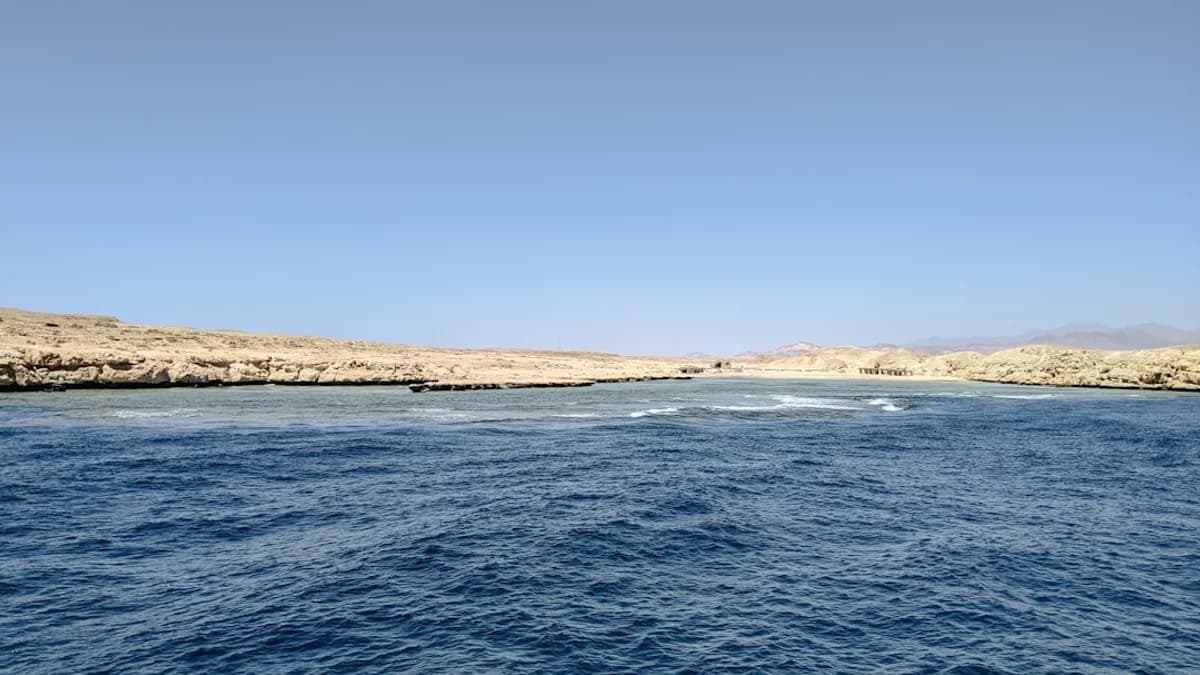
The Strait of Hormuz is like a narrow door for the world’s oil and gas. About one-fifth of all the oil traded globally passes through this stretch—some 21 million barrels every day [Source: Google News]. Most of it comes from countries like Saudi Arabia, Iran, Iraq, and the United Arab Emirates. When the Strait is blocked or threatened, oil prices jump and markets get nervous. For example, after attacks or threats in the past, prices have spiked overnight.
The risks are huge. If ships can’t get through, factories can’t run, cars can’t drive, and countries can’t heat their homes. This isn’t just a local problem. It’s global. Even countries far from the Gulf feel the pinch. Energy companies scramble, and governments worry about inflation and supply shortages.
That’s why keeping Hormuz open matters to everyone: from oil-rich nations to importers like China, India, and Japan. The U.S. Navy often patrols the area to keep things safe—but tensions make their job tougher. For China, which relies more and more on Gulf oil, any disruption hits hard. So Xi’s call is practical. He knows that a closed Strait means trouble for millions, not just Chinese buyers.
China’s Growing Interests in the Gulf: Economic and Geopolitical Stakes
China is now one of the biggest buyers of Gulf oil. It gets more than half its crude imports from the region. That means any fight or blockade in Hormuz could slow down China’s factories and raise costs for families at home. In 2023, China imported over 2 million barrels a day from Saudi Arabia alone, making Saudi its top supplier [Source: Google News].
But China isn’t just buying oil. It’s investing billions in Gulf countries through its Belt and Road Initiative. This project builds roads, ports, and pipelines—and helps China trade more easily. For example, China is building a giant oil refinery in Saudi Arabia and working on rail links across the region.
China tries to stay friendly with all sides. It has good ties with Saudi Arabia but also works closely with Iran. Unlike the U.S., which often picks a side, China wants to be seen as neutral. This helps it keep talking with everyone and avoid getting caught in local fights.
China’s push for stability is about more than keeping the oil flowing. Its big investments in ports, power plants, and factories depend on peace. If war breaks out, projects stall and money is lost. That’s why Xi’s call for reopening Hormuz and a ceasefire isn’t just talk—it’s about protecting China’s huge stake in the region.
Balancing Act: China’s Diplomatic Maneuvering Between the U.S., Iran, and Saudi Arabia
China faces a tricky job in the Gulf. The U.S. is a longtime power here. Iran is often at odds with the U.S. Saudi Arabia is a key player. China trades with all of them but avoids picking sides. When the U.S. and Iran clash, China doesn’t want to get dragged into the fight.
Xi’s call for a ceasefire and open transit in Hormuz is a smart move. It shows China wants to keep the peace and protect its investments. China doesn’t send warships or threaten sanctions like the U.S. Instead, it uses words and diplomacy. This helps China look like a calm, steady leader.
This approach isn’t new. China has used “quiet diplomacy” before, stepping in when others fight. For example, it brokered talks between Iran and Saudi Arabia last year. That helped ease tensions and showed China’s growing influence in the region.
But neutrality has risks. If the fighting gets worse, China’s projects and oil shipments could suffer. If China is seen as too close to one side, it may lose trust with others. The U.S. also watches closely—if China’s role grows, America may push back.
Still, China benefits from staying balanced. It keeps doors open for trade, avoids costly wars, and builds its image as a peacemaker. Xi’s call for reopening Hormuz is a signal: China wants to be part of the solution, not the problem.
Implications of Xi’s Call for Regional Stability and Global Energy Markets
Xi’s appeal to reopen Hormuz and stop fighting could change how Gulf countries and the world act. If Saudi Arabia and Iran listen, tensions may drop and oil can flow again. That would calm markets and help keep prices steady [Source: Google News].
For the U.S. and China, the stakes are high. Both want Gulf stability, but they compete for influence. If China helps ease the crisis, it may gain more trust in the region. This could lead to more deals and stronger ties with Gulf leaders.
China’s message is clear: It wants to be seen as a protector of global energy security. If it succeeds, countries may rely more on China for help in future disputes. If the crisis grows, though, China risks losing investments and facing higher costs for oil.
Looking ahead, China may try to bring more countries together for talks. It could push for new agreements to keep Hormuz safe. If tensions rise, China might need to work with the U.S., Europe, and others to protect its interests.
China’s Strategic Vision and the Path Forward for Gulf Stability
China is mixing business with diplomacy. It invests in Gulf countries but also calls for peace when things get tough. Xi’s push to reopen Hormuz shows China knows how important this waterway is for the world and for its own economy.
Keeping the Strait of Hormuz open is critical for global stability. Millions depend on the oil and gas that pass through. China’s actions show it wants to play a bigger role on the world stage—not just as a buyer, but as a peacekeeper.
The Gulf’s future depends on more than one leader. All sides need to work together. China’s call is a reminder: Peace and open trade matter to everyone. The next step? More talks, more teamwork, and a shared effort to keep the oil flowing and the region calm. If leaders can agree, the world will be safer—and energy will keep moving where it’s needed most.
Why It Matters
- The Strait of Hormuz is vital to global energy security, with 21 million barrels of oil passing through daily.
- China's call for reopening highlights its dependence on Gulf oil and its growing influence in regional geopolitics.
- Continued closure or instability threatens worldwide oil prices, supply chains, and economic stability.