


Breaking News: Deadly Attack on West Bank School by Israeli Settler
Two Palestinians were shot and killed, and four more were wounded, when an Israeli settler attacked a school in the West Bank village of al-Lubban ash-Sharqiya on Thursday morning [Source: Google News]. Witnesses say the attack happened as students arrived for classes. One of the victims was a 14-year-old boy. The second was a man in his twenties. Both were hit by gunfire as chaos broke out near the school gates. The wounded included at least one child.
Local people rushed to help the injured and called for ambulances. Palestinian officials said the attack happened quickly, and children ran in fear. The Israeli army arrived soon after. They stopped the suspected shooter and began investigating.
The attack took place in an area where tensions have been high for weeks. The school sits near a main road used by both Palestinians and Israeli settlers. Parents say they worry every day about their children's safety. This deadly incident has shocked the local community and drawn strong reactions from both Palestinian leaders and Israeli authorities.
Background on Rising Tensions Between Israeli Settlers and Palestinians in the West Bank
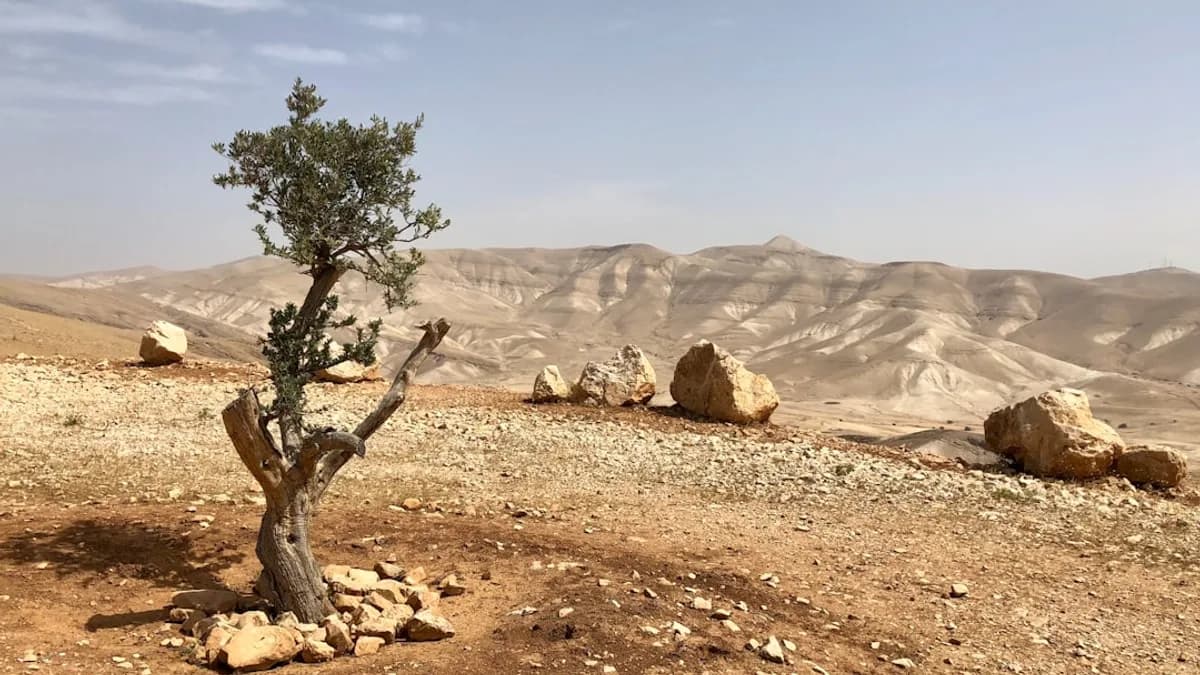
Attacks like this are becoming more common in the West Bank. Over the past year, violence between Israeli settlers and Palestinians has surged, especially near villages and schools. Settler attacks have destroyed property, burned olive trees, and injured civilians. Many incidents happen close to roads and schools, putting children at risk [Source: Google News].
The West Bank has been occupied by Israel since 1967. More than 450,000 Israeli settlers live in the area, often in communities built on land claimed by Palestinians. These settlements are considered illegal under international law, although Israel disputes this.
Conflict often flares up near schools, where students and teachers face threats. Last year, several attacks were reported near Palestinian schools, forcing some to close or cut hours. Tensions rise even more during Jewish holidays or after violent incidents elsewhere.
Israeli soldiers sometimes step in to prevent violence, but critics say they do not always protect Palestinians. Instead, there are claims that soldiers and settlers work together or fail to punish those responsible. The pattern is clear: violence leads to fear, and fear disrupts daily life. This latest attack is another sign that the situation is growing worse.
Official Reactions and Military Response to the West Bank Attack
The Israeli Defense Forces (IDF) said they are investigating the shooting. They confirmed that an army reservist was involved and has been suspended from duty while the probe continues [Source: Google News]. The IDF promised to review security in the area.
Palestinian Authority leaders condemned the attack and called for international action. They said that settler violence is out of control and is harming innocent people, especially children. Local officials demanded that Israel punish those responsible and protect schools.
International groups, including human rights organizations, have called for a full investigation. Some world leaders asked both sides to calm tensions and avoid more violence. The United Nations has also urged Israel to stop settler attacks and defend Palestinians.
Implications of the Attack on Israeli-Palestinian Relations and Regional Stability
This attack is likely to make peace efforts harder. Talks between Israelis and Palestinians have stalled for years, and violence like this makes trust even weaker. Every time a school is attacked, it damages hopes for the next generation.
Local communities now face new fears. Parents may stop sending their children to school. Teachers may need more security or decide to leave. Children who witness violence often suffer stress and trauma, which can last for years.
Settler violence is a big problem in the West Bank. It often follows new settlements or political changes. When Israeli settlers attack Palestinians, it can trigger protests, clashes, and more bloodshed. Each incident adds to the cycle of anger and revenge.
This event may also affect wider regional talks. Right now, U.S. and Iranian officials are meeting in Islamabad to discuss Middle East security [Source: Google News]. The West Bank violence could make these talks tense, as both nations have strong views on the conflict. Iran openly supports Palestinian groups, while the U.S. backs Israel. More violence could push both sides further apart and make diplomacy harder.
The attack also draws attention to how schools and children are caught in the crossfire. International groups, including UNICEF and Save the Children, have warned that conflict zones must protect education. When schools become targets, whole communities suffer.
For Israel, the attack raises questions about how to control settler violence. For Palestinians, it shows the risks of daily life under occupation. For the region, it is a reminder that the conflict is not just about politics—it is about families, kids, and everyday safety.
Conclusion: Urgency of Addressing Violence in the West Bank Amid Ongoing Conflict
The killing of two Palestinians, including a teenager, in a school attack is a stark warning. Violence in the West Bank is rising, and children are now in danger. Both Israeli and Palestinian leaders must act fast to protect civilians and stop further attacks.
International groups are watching closely. They want accountability and real steps to keep schools safe. If nothing changes, more families will suffer—and peace will slip even further away.
The next days will be critical. How Israeli authorities handle the investigation and what steps leaders take will shape the future. For now, parents and students in the West Bank face tough choices and uncertain times.
Why It Matters
- The attack highlights the ongoing violence and insecurity facing Palestinian communities, especially children, in the West Bank.
- Incidents like this deepen tensions between Israeli settlers and Palestinians, complicating efforts toward peace and stability.
- The targeting of schools threatens the safety and education of young people, raising urgent concerns for human rights and protection.