Introduction: Virginia Voters Approve Landmark Redistricting Measure
Virginia voters just approved a major change to how their congressional districts are drawn. This new redistricting plan could help Democrats win up to four more seats in the U.S. House of Representatives, according to projections by CNN and other outlets [Source: Google News]. The vote marks a big shift in Virginia’s political scene, raising questions about fairness and party control.
Redistricting is usually a quiet, behind-the-scenes process. But this time, Virginians had a direct say. The referendum drew national attention because the new maps could change the balance of power not just in Virginia, but in Congress as a whole. It’s also seen as a blow to Donald Trump and his allies, who have counted on Virginia’s old maps to help Republicans keep seats.
Now, with the new maps set to take effect, both parties are watching closely. The stakes are high. What happens in Virginia could shape how other states redraw their own maps in the years ahead.
Details of the New Virginia Congressional Maps and Their Political Impact
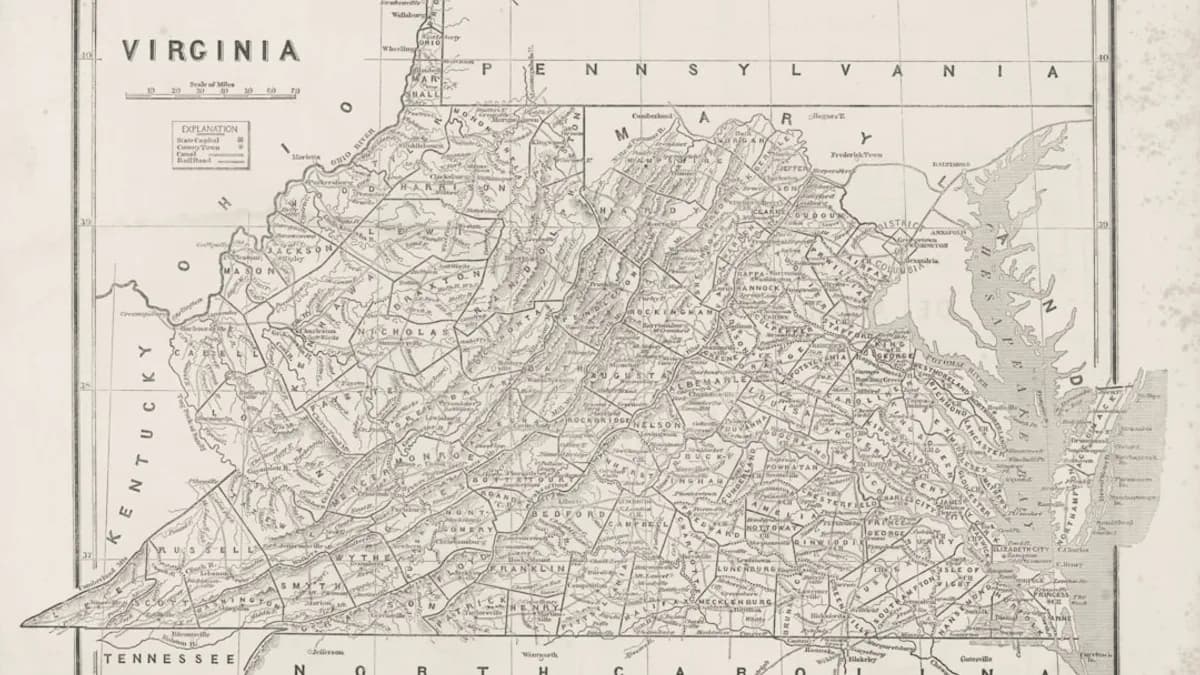
The newly approved maps redraw the boundaries for Virginia’s 11 congressional districts. This isn’t just about lines on a map. It can change who wins elections.
The new districts are designed to give Democrats a stronger chance. Analysts say Democrats could pick up as many as four extra seats in the House — a big jump in a state with just 11 districts [Source: Google News]. That would mean Democrats might win seven seats, compared to the current three or four.
The old maps grouped many Democratic voters together, making it hard for them to win outside their strongholds. The new maps spread Democratic voters out more evenly. For example, suburban areas around Richmond and Northern Virginia, which have become more diverse and left-leaning, are now part of districts where Democrats have not always won.
This change comes after years of complaints about “gerrymandering,” where politicians draw maps to help their own party. Virginia’s previous maps were accused of packing Republican voters into certain districts. The new maps try to break up those groupings, making races more competitive.
Some districts saw big changes. District 7, for instance, now includes parts of the Richmond suburbs, making it more favorable for Democrats. District 2, which covers Hampton Roads, also shifted to include areas with more Democratic voters. These changes could turn close races into wins for Democrats.
Compared to the old maps, the new ones aim for more balanced representation. They follow some rules, like keeping districts compact and respecting community borders. But the biggest difference is the way the maps mix urban, suburban, and rural voters. This could mean fewer “safe” seats and more toss-ups.
Strategic Implications: How Democrats Leveraged Redistricting to Counter Trump Influence
Democrats played hardball in the redistricting fight. They pushed for maps that would help their candidates and blunt Republican power, especially the influence of Trump and his supporters [Source: Google News].
In past years, Republicans used their control of state governments to draw maps that helped them win more seats — even when statewide votes were close. Democrats took notes. This time, they made sure to use every tool they could.
They watched population changes and voting trends. As more people moved to cities and suburbs, Democrats focused on making these areas part of swing districts. They also worked with lawyers and experts to make the maps fit legal rules, but still favor their party.
The timing was key. Democrats wanted the new maps in place before the next round of House elections. This way, they would have the best shot at gaining seats right away. The process wasn’t always smooth. There were fights in the legislature and courts. But Democrats stayed focused on their goal: turning Virginia blue.
Redistricting is about more than just winning elections. It’s about shaping who gets heard in Washington. By pushing for new maps, Democrats aimed to make Virginia reflect its changing population. They also wanted to stop Trump and his allies from using old rules to keep their grip on power.
This move fits with a bigger trend. Across the country, both parties use redistricting to get ahead. But in Virginia, Democrats were especially aggressive. They saw an opening and took it. Now, Republicans are left looking for ways to fight back.
Broader Context: The Ongoing Battle Over Gerrymandering in American Politics
Gerrymandering has been part of U.S. politics for over two centuries. It means drawing voting districts in ways that help one party win more seats. Sometimes, the maps are so twisted that voters in one party lose their voice.
In Virginia, the fight over gerrymandering has been fierce. For years, lawmakers drew maps that protected their own party. This led to districts where one side always won, no matter what voters wanted.
The new Virginia maps are part of a national debate. Should states draw districts to make elections fairer? Or do maps always get used as political tools? Some experts say Virginia’s new maps deepen partisan divides. They argue that shifting power from one party to another doesn’t fix the problem — it just changes who benefits [Source: Google News].
Others say the new maps are a step toward fairness. They point out that the old maps gave Republicans an advantage, even as Virginia became more diverse and Democratic-leaning. By spreading out voters more evenly, the new maps could make elections more competitive.
Gerrymandering isn’t just a problem in Virginia. In states like Texas, North Carolina, and Wisconsin, both parties have used their power to draw maps that help themselves. Courts have stepped in sometimes, but there’s no national rule against partisan redistricting.
Some states have tried to fix gerrymandering by setting up independent commissions. These groups draw maps without input from politicians. But even then, fights break out over how to define “fairness.”
Virginia’s move shows how hard it is to balance political interests with democracy. People want their votes to matter. But parties want to win. The new maps might help Democrats now, but future changes could swing things back the other way.
This battle isn’t going away. As technology gets better, parties can use data to draw even more precise maps. That means more fights over who gets to choose voters, instead of voters choosing their leaders.
Potential Consequences for Future Elections and Political Balance
With the new maps set for the next election, Democrats are likely to gain ground in Virginia. Early projections show they could win up to seven of the state’s 11 House seats, compared to three or four under the old setup [Source: Google News].
If Democrats do win more seats, this could help them keep control of the House of Representatives. Virginia might become a model for other states looking to redraw their own maps.
Republican leaders are not happy. Some are already talking about legal challenges, saying the new maps are unfair or break state laws. They may file lawsuits to block the changes or ask courts to redraw the lines.
This could mean more court battles and uncertainty before the next election. But for now, Democrats have the upper hand. If the maps stand, Virginia could become a stronghold for Democrats in Congress.
The changes may also push other states to rethink their own maps. If Virginia’s approach works, parties elsewhere might try similar tactics.
Conclusion: What Virginia’s Redistricting Vote Means for American Democracy
Virginia’s redistricting vote is a big deal. It shows that voters can shape how elections work — and who gets to represent them. The new maps will help Democrats, but the bigger story is about power and fairness.
Redistricting is always political. Parties use it to get ahead. But the challenge is making sure every vote counts. Virginia’s move might inspire other states to let voters decide, instead of politicians.
This won’t solve all the problems with gerrymandering. But it’s a step toward more open debates about how maps are drawn. As other states watch Virginia, the fight over fair elections is likely to grow.
For readers, the takeaway is simple: how districts are drawn can change everything, from who wins elections to which voices get heard in Congress. Keep an eye on Virginia — and on your own state’s maps. The next big redistricting battle could be just around the corner.
Why It Matters
- Virginia’s new maps could shift up to four House seats to Democrats, changing national political dynamics.
- The measure addresses longstanding concerns about gerrymandering and voter representation.
- Other states may follow Virginia’s example, impacting future redistricting nationwide.