Introduction: Virginia’s New Redistricting Measure and Its Political Stakes
Virginia just approved a new redistricting measure that could shake up national politics. The change will redraw the state’s congressional map, and it might give Democrats a better shot at winning back seats in the U.S. House of Representatives [Source: Google News]. This move matters because Virginia’s elections are often close, and the way districts are drawn can tip the scales. With the 2026 midterms coming soon, both parties are watching Virginia closely. Many experts say this decision could shift the balance of power, not just in the state, but across the country. If the new map is fairer, it could help more voters feel like their voices count. That’s a big deal when so many people worry about how politicians carve up voting districts.
Understanding Virginia’s Redistricting Measure: What Changed and Why It Matters
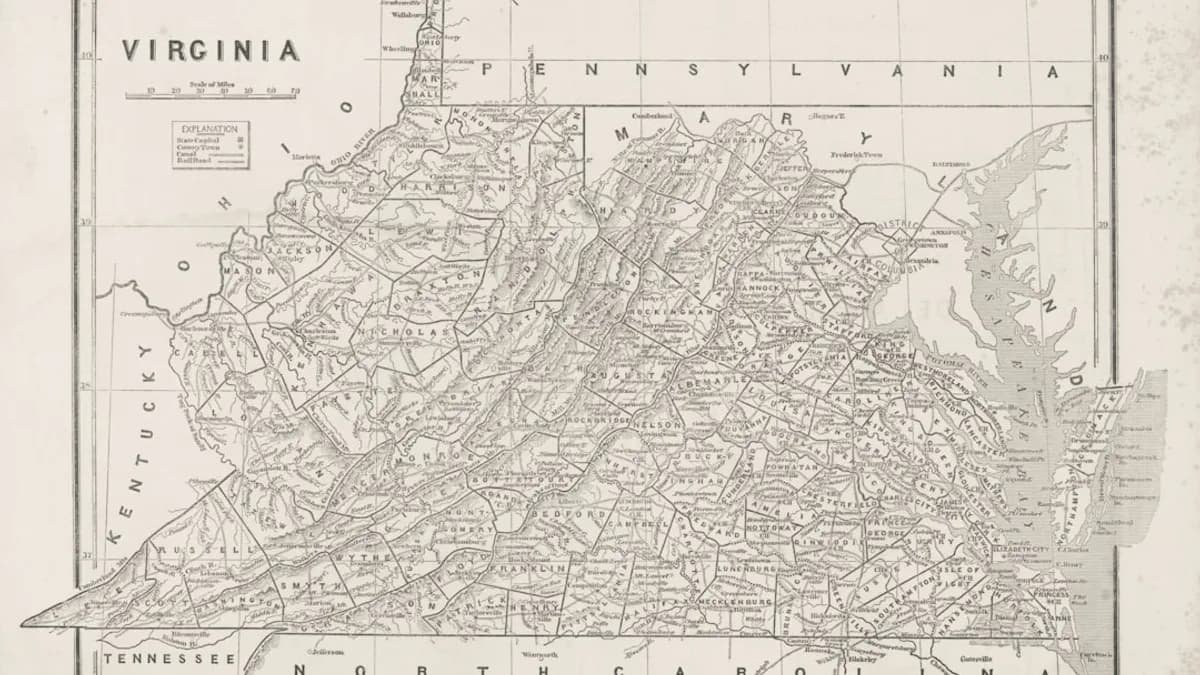
Virginia’s new redistricting measure changes how the state draws its congressional districts. Before this, politicians picked the boundaries, often making maps that favored their own party. This practice is called gerrymandering. Gerrymandered maps bend and twist district lines so one party gets more seats, even if the other party gets more votes.
The new measure lets voters have more say. Instead of lawmakers picking the lines behind closed doors, the process is now open and uses more public input. The goal is to stop unfair maps and make elections more competitive. The main change is that districts must be drawn in a way that keeps communities together and doesn’t favor one party over another.
Virginia’s map was known for strange shapes. Some districts stretched miles to pack in voters from one party, while others split neighborhoods. This made it hard for some people’s votes to count. The new rules say district lines should be simple and follow county and city boundaries when possible. Legal experts say this follows the Voting Rights Act, which protects against discrimination.
The reason for the change is clear. People in Virginia were tired of feeling like their vote didn’t matter. The old maps often meant that one party could win most seats, even if they got fewer votes statewide. This isn’t just about fairness; it’s about trust. When voters see fair maps, they believe in the system more. That’s why this measure matters. It’s a step toward making elections more honest and giving everyone a fair chance.
The Democratic Advantage: How Redistricting Could Help Democrats Retake the House
The new map in Virginia could help Democrats win back seats in the U.S. House. Here’s why: the old maps were drawn by Republicans, who controlled the state legislature for years. They carved up districts so Republican voters were packed together, while Democratic voters were split up. This made it hard for Democrats to win, even in areas where they had strong support.
Now, with fairer lines, more Democratic-leaning areas will stay together. For example, parts of Northern Virginia, Richmond, and Hampton Roads have lots of Democratic voters. In the past, these places were sliced into several districts, diluting their power. The new measure keeps these communities together, giving Democrats a better chance to win seats.
History shows how powerful maps can be. In 2020, Democrats won statewide races but still lost some House seats because of the way districts were drawn. The old maps gave Republicans an edge even when they weren’t the majority. This new process could flip that script. With fairer maps, the party that gets more votes will probably get more seats.
Demographics also play a big role. Virginia has changed a lot in the past decade. More young people, immigrants, and minorities live in cities and suburbs. These groups mostly vote for Democrats. The new districts reflect these shifts, so the map matches how people actually vote.
Experts say this could change national politics. If Democrats pick up seats in Virginia, it could help them take control of the House in 2026 [Source: Google News]. That means new laws, different priorities, and a shift in power. Republicans know this, which is why they fought to keep the old maps. But Virginia voters wanted change.
The measure is a win for people who want their vote to count. It’s also a signal to other states: fair maps can change everything. If more states follow Virginia’s lead, the whole country could see elections that better reflect what people want.
The Broader Battle Against Gerrymandering: Virginia as a National Bellwether
Virginia’s redistricting measure is part of a bigger fight. Across the U.S., many states struggle with gerrymandering. Politicians draw maps to help their party, leaving some voters feeling left out. But people are pushing back.
Some states use independent commissions to draw maps. These groups don’t answer to politicians. For example, California and Arizona have commissions that draw fairer maps. In Michigan, voters passed a referendum to create a commission after years of unfair maps [Source: Google News]. These changes have made elections more competitive and helped restore trust.
Virginia’s measure stands out because voters approved it. This shows people want fair elections, not party tricks. Experts say Virginia could be a model for other states. If it works, more places might use public input and independent commissions.
The fight against gerrymandering is growing. The U.S. Supreme Court has ruled that it’s up to states to fix unfair maps. That means voters have to push for change. Virginia’s success proves that reforms are possible. It also shows that fair maps matter for democracy.
When maps are fair, elections are more honest. More voters feel heard, and politicians have to work harder to win support. That’s good for everyone. Virginia’s move could spark more reforms across the country.
Opinion: Why Fair Redistricting Is Essential for American Democracy
Fair redistricting is the backbone of real democracy. When politicians draw maps to help themselves, it breaks trust. It tells voters their voice doesn’t matter. That’s not what America stands for.
Gerrymandering is like stacking the deck. It lets one party win no matter what voters want. Sometimes, a party can get fewer votes but still win more seats. That’s wrong. It makes people feel powerless and can push them away from voting.
But fair maps change everything. They mean every vote counts. They make politicians listen to more people, not just their base. When maps are drawn fairly, elections reflect what people actually want. This builds trust in the system and helps more people take part.
Virginia’s move is a big step forward. By letting voters have more say, Virginia is making elections more honest. This is good for democracy and good for the country. Other states should watch and learn. The old way of drawing maps behind closed doors has to end.
We need more reforms like this. Independent commissions, public input, and clear rules help stop unfair maps. Voters should demand these changes. Lawmakers should support them. If we don’t fix gerrymandering, people will lose faith in elections. That’s dangerous for America.
Fair redistricting is about more than politics. It’s about making sure everyone’s voice matters. It’s about keeping democracy strong. Virginia is leading the way, but the fight isn’t over. Every state should work to make elections fair and open.
Conclusion: Virginia’s Redistricting Measure as a Model for Democratic Renewal
Virginia’s new redistricting measure is a win for fair elections. It shows that voters can demand better maps and get real change. This move could help Democrats retake the House, but more importantly, it puts power back in the hands of the people [Source: Google News].
Other states should follow Virginia’s lead. Fair maps make democracy stronger and help restore trust. If voters and lawmakers keep pushing for reforms, American elections will work better for everyone.
The takeaway is simple: fair redistricting matters. It’s up to all of us to ask for honest maps and hold leaders accountable. Virginia’s example is a sign of hope and a call to action. Let’s make sure every vote counts.
Why It Matters
- Fairer districts could increase competition and make elections more representative.
- Democrats may gain seats in the U.S. House, influencing national policy.
- Public input in redistricting builds trust and helps ensure voters’ voices are heard.