Virginia Judge Blocks Certification of Redistricting Referendum Results
A Virginia judge stopped the state from certifying new congressional maps that voters approved in a major redistricting referendum. The ruling means the new maps, which were set to change how Virginia’s districts are drawn and could shift political power, will not take effect yet [Source: Google News].
The judge said the certification process had problems. He argued that some steps did not follow proper legal rules. This block puts a pause on the redistricting process, leaving Virginia’s upcoming elections in limbo. It’s a rare move, since the maps were passed by voters, not lawmakers. The court’s decision throws uncertainty into races for Congress and could affect which party wins more seats.
The immediate effect is confusion for candidates, voters, and officials. Some candidates don’t know which district they’ll run in. Voters don’t know which maps will be used come election day. State leaders now have to wait for further court action before moving forward. The Attorney General has already promised to appeal, but for now, Virginia’s redistricting is stuck.
Background on Virginia’s Redistricting Referendum and Its Political Stakes
Virginia’s referendum was meant to fix how the state draws its congressional districts. For years, the process was controlled by politicians, sometimes leading to gerrymandering—where districts are shaped to help one party win. In 2023, voters approved new maps that were supposed to be fairer and less partisan.
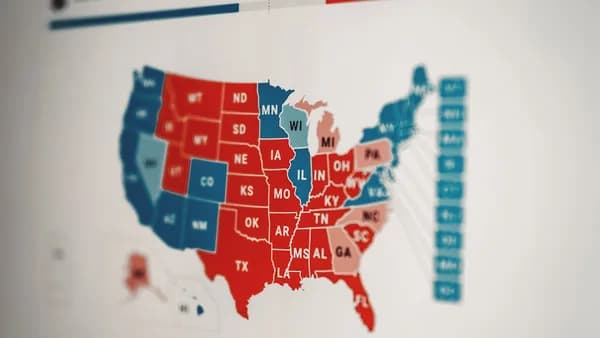
The new maps aimed to boost Democratic representation in Virginia. For example, some experts said Democrats could gain two or three seats in Congress if the maps stood [Source: Google News]. The referendum process let voters decide, not just lawmakers. This made the changes feel more legitimate to many people.
Republicans worried the maps would hurt their chances in future elections. Democrats hoped for stronger gains, especially in swing districts. The stakes were high: the maps could affect which party controls Congress, not just in Virginia but nationally. That’s why this court ruling matters so much—it could decide who gets to represent millions of Virginians.
Reactions from Key Political Figures and Parties
Virginia’s Attorney General said he will appeal the judge’s ruling. He argued that stopping the certification goes against the will of the voters and threatens fair representation. His office is preparing to fight for the maps in higher courts [Source: Google News].
Some GOP leaders showed regret about supporting the referendum. One Republican said, “I wish none of this had happened.” This buyer’s remorse comes from fears that the new maps would make it hard for Republicans to win in certain districts. They are now questioning whether the referendum was a good idea.
Democrats were upset by the court’s decision. They stressed that the maps are important for fair elections and letting voters’ voices be heard. Democratic leaders called the ruling a setback for voting rights and promised to keep pushing for the new maps. They say the court’s block risks undermining trust in the election system.
Legal Analysis: What the Court’s Decision Means for Redistricting and Future Elections
The judge’s ruling is based on legal questions about the certification process. He said state officials did not follow proper steps required by law. This includes how the maps were reviewed and approved after the referendum. The judge argued that these errors make it unsafe to certify the results, at least for now.
This case could set a new precedent for how states handle voter-passed redistricting. Usually, courts step in when lawmakers draw unfair maps. Here, the challenge is about a process approved by voters, raising big questions about democracy and legal oversight. If the appeal succeeds, the new maps might be used soon. If not, Virginia could have to start over, with old maps or a new process.
The timeline for resolution is tight. Virginia’s primary elections are coming up, and candidates need to know which districts they’re running in. The Attorney General’s appeal may be fast-tracked, but courts can take weeks or months. This uncertainty could affect campaigns, fundraising, and voter turnout.
For voters, the case may shake confidence in the redistricting process. Many Virginians thought the referendum would fix old problems. Now, they see courts holding up their choices. Some worry this will discourage voting or make people feel their voices don’t matter. The judge’s decision also highlights how important it is to follow legal rules, even when changes are popular.
Looking ahead, similar legal fights could happen in other states. Courts have become more active in overseeing redistricting, especially since the Supreme Court’s 2019 decision that left map disputes to state courts. Virginia’s case shows that even voter-approved reforms can face legal hurdles.
Broader Implications for Redistricting Battles Across the United States
Virginia’s case is part of a bigger trend. Across the U.S., fights over redistricting have gotten more intense. In states like Ohio, North Carolina, and Texas, courts have stopped or changed maps drawn by lawmakers. Now, Virginia’s experience shows that even maps approved by voters can end up in court.
Judges play a bigger role in shaping electoral maps than ever before. Their decisions can shift political power for years. For example, in Pennsylvania and Michigan, court-ordered maps helped one party win more seats. In Virginia, the judge’s block could give Republicans a chance to keep old maps, while Democrats push for change.
Other states watching Virginia may rethink their own redistricting plans. Some may add extra legal steps to avoid court challenges. Others could try to make their processes more transparent to build trust. The lesson is clear: redistricting is not just about drawing lines—it’s about following rules, winning in court, and earning public support.
The case also raises questions about how much power voters have. If courts can block maps passed by referendum, people may wonder if their votes count. This could lead to calls for clearer rules, stronger protections for voter-approved changes, and more public involvement.
Conclusion: Next Steps and What to Watch in Virginia’s Redistricting Saga
For now, Virginia’s redistricting is on hold. The Attorney General’s appeal will be the next big step. If the appeal succeeds, the new maps could be certified soon. If not, state leaders may need to come up with a backup plan.
Key dates to watch include court hearings in the next few weeks and deadlines for candidate filings. Voters and candidates will be looking for answers as the process unfolds.
This case matters for more than just Virginia. It shows how hard it can be to fix redistricting, even when voters try to make things fair. The outcome will shape how Virginia votes—and could send lessons to states across the country. Stay tuned for updates as the fight over Virginia’s congressional maps continues.
Why It Matters
- The court's block creates uncertainty for upcoming Congressional elections in Virginia.
- Candidates and voters are left unsure about district boundaries, affecting campaign strategies and voter engagement.
- The outcome could reshape political power in Virginia, potentially shifting multiple Congressional seats.