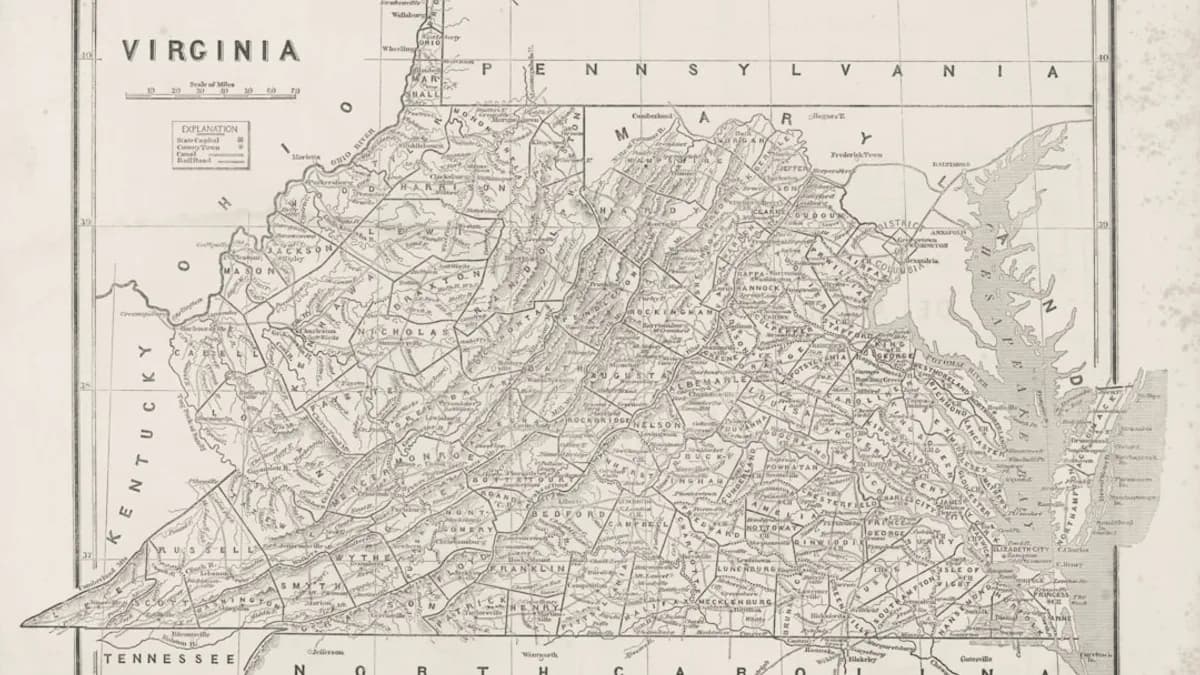
Virginia Voters Endorse New Democratic Redistricting Plan
Virginia voters just approved a new plan for drawing voting districts. This plan, made by Democrats, could help them win more seats in Congress. The vote comes as people across the country argue about gerrymandering—when politicians draw maps to help their party win. The timing matters: with the 2024 election coming up, these new maps will shape who gets to run and who gets to win. Some say this is a big step in the fight over fair elections. Others worry the changes will leave some voters feeling left out. Still, Virginia’s decision stands out as a sign of how much power voters have in shaping political maps [Source: Google News].
Details of Virginia’s New Congressional Map and Its Impact
The new map redraws lines for Virginia’s congressional districts. These changes could give Democrats up to four more seats in the U.S. House. For example, areas around Richmond and Norfolk were shifted to include more Democratic voters. Places that used to lean Republican now have more mixed populations. This means races will get tighter, and both sides will have to work harder for votes.
Incumbents—those already holding office—are seeing their districts change. Some Democrats will find it easier to keep their seats. Some Republicans might face tougher battles or even lose their seats. The vote for the new plan passed with a clear margin, but not everyone agreed. Cities like Alexandria and Fairfax strongly supported the changes. Rural areas, where Republicans do well, mostly voted against them.
The shift shows how important maps are in deciding who gets elected. Changing a boundary can mean the difference between winning and losing. In Virginia, the new map is expected to boost Democratic chances, but it could also mean some long-time politicians get pushed out. The map will go into effect for the next election, so both parties are scrambling to adjust their plans [Source: Google News].
National Context: Virginia’s Redistricting Vote Amid the Gerrymandering Battle
Across the U.S., gerrymandering is a hot topic. In 2023 and 2024, states like Ohio, North Carolina, and Texas face lawsuits over maps that favor one party. In some places, lawmakers draw the lines. In others, independent commissions—groups not tied to any party—do the job to keep things fair. Virginia’s vote shows a mix of both. The state let voters decide if they liked the new map, instead of leaving it up to politicians.
This move makes Virginia different from states where only lawmakers control redistricting. For example, California uses an independent commission, while Florida leaves map-making to politicians. Some experts say independent commissions lead to fairer maps, but not every state agrees.
Virginia’s decision fits into a larger national story. More states are trying to make redistricting less political and more fair. With the 2024 election near, every map matters. The way Virginia handled its vote could inspire other states to let people decide on their own maps, instead of letting politicians draw lines behind closed doors [Source: Google News].
Political Implications: What Virginia’s Vote Means for Democrats and Republicans
Democrats in Virginia are celebrating. With this new map, they could win up to four more House seats. That’s a big deal for the 2024 elections, where control of Congress is up for grabs. The changes mean Republicans will have to rethink their strategy. Some districts that used to be safe may now be at risk.
Former President Trump and his supporters see this as a blow. Virginia’s new map makes it harder for Republicans to win statewide. They may need to focus more on suburban voters, who are now included in districts that used to be rural. Campaigns will likely spend more money and time in new battleground areas.
But the vote didn’t make everyone happy. Both sides lost something. Some Democratic voters feel their voices are diluted in mixed districts. Some Republicans feel pushed out of areas they used to win easily. This means campaigns will have to work harder to connect with voters who may not support their party.
The new map will also affect voter turnout. When races are closer, more people pay attention and vote. With Virginia’s new lines, expect more ads, more door-knocking, and more debates. Both parties will need to adjust their plans quickly to keep up [Source: Google News].
Analysis: Five Reasons Why Virginia’s Redistricting Vote Produced Mixed Outcomes
Virginia’s vote didn’t make things simple. Here are five reasons why the outcome is mixed:
1. Demographic Shifts: Virginia’s population is changing. More people are moving to cities, and these places tend to favor Democrats. But rural areas are still strong for Republicans. The new map tries to balance these trends, but some groups feel left out.
2. Political Polarization: People in Virginia are more divided than before. Some districts now include voters with very different views. This makes it harder for politicians to please everyone.
3. Legal Challenges: Redistricting often ends up in court. Already, some groups are threatening to sue over the new map. If judges step in, the lines could change again before the next election.
4. Public Opinion: Many voters took part in deciding the map, but some felt the process was rushed or confusing. When people feel left out, they might not vote or trust the system.
5. Long-Term Effects: The new map will shape politics for years. Some districts may swing back and forth as populations change. Politicians will need to listen more closely to voters to keep their seats.
So, while Democrats may win more seats now, the story isn’t over. Both parties must deal with new challenges, and the fight over fair maps will keep going [Source: Google News].
Conclusion: The Future of Redistricting Battles and Voter Influence
Virginia’s vote marks a turning point in the fight for fair maps. As more states face redistricting battles, the way Virginia handled its process may offer lessons. Voters showed they want a say in how districts are drawn. This could lead to more states letting people decide, not just politicians.
With the 2024 election coming fast, expect more debates and court cases over maps in places like Georgia, Wisconsin, and Texas. The power of voters to shape political maps is growing. The key takeaway: staying involved matters. If you care about who represents you, paying attention to redistricting is just as important as voting on Election Day. The battle over fair maps will keep changing, and the next round could be even tougher [Source: Google News].
Why It Matters
- Virginia's new map could give Democrats up to four more seats in Congress.
- The decision highlights the ongoing national debate over fair elections and gerrymandering.
- Voters directly influenced how political power is distributed ahead of the 2024 election.