Introduction to the 2026 Virginia Redistricting Referendum
Virginia voters gave a thumbs up to new congressional maps in the 2026 redistricting referendum, a move that could change who represents them in Washington. This vote matters because redistricting shapes political power—it decides which voters are grouped together and which party has the edge in each district. The referendum was hotly debated, with both sides arguing over fairness and control. With the new map approved, Democrats could gain up to four more House seats, swinging the balance in Congress [Source: Google News]. The outcome shows Virginians want change, but it also sparks questions about how districts are drawn and who benefits.
Understanding Redistricting: How Congressional Maps Are Drawn
Redistricting is the process of redrawing lines for congressional districts. It happens every ten years after the U.S. Census counts how many people live where. The goal is to keep districts roughly equal in population, so everyone’s vote counts the same. But the process is often tricky and political.
In Virginia, the state legislature used to control redistricting. That meant whichever party had power could shape the map to help themselves. In recent years, Virginia changed its rules. Now, a commission made up of lawmakers and regular citizens helps draw the lines. They use census data to see which areas grew or shrank, then adjust the districts to reflect those shifts.
Population changes matter. If cities grow, their districts might get smaller. If rural areas lose people, their districts get bigger. Redistricting also tries to keep neighborhoods and communities together so they have a say in elections. But it’s not perfect. Sometimes lines are drawn to split up groups or favor one party, a practice called gerrymandering.
Key Changes in Virginia’s New Congressional Maps for 2026
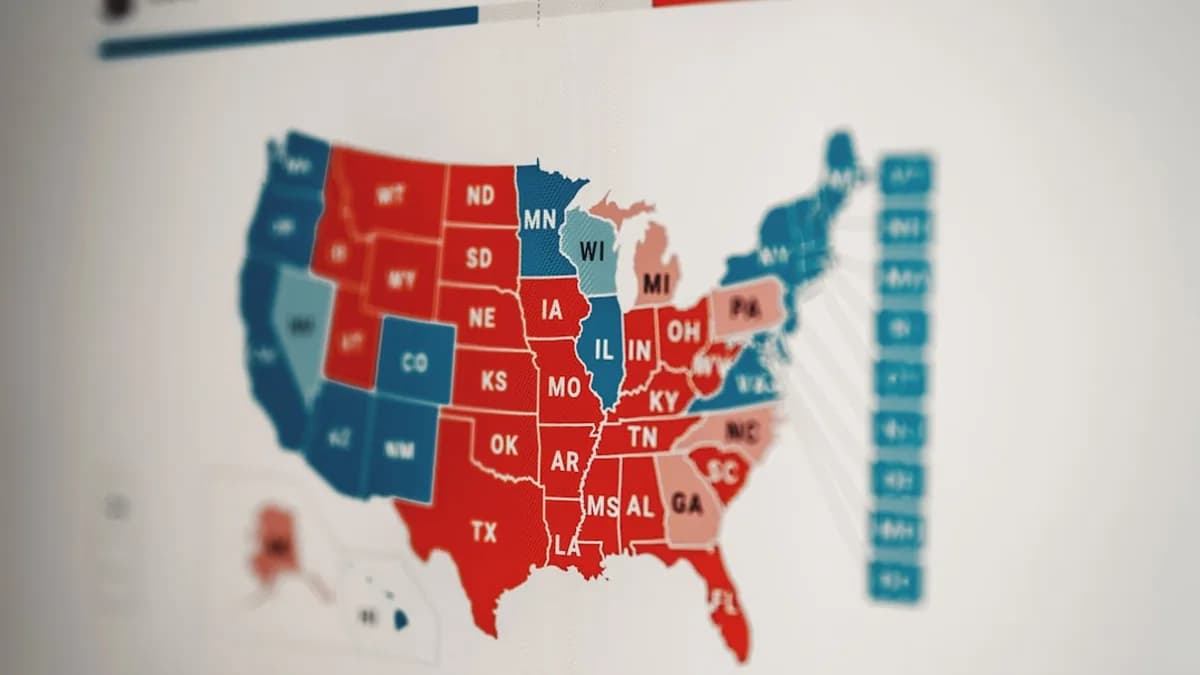
The new map approved in the referendum scrambles many of Virginia’s old district boundaries. Some cities, like Richmond and Norfolk, get grouped with new suburbs, changing the mix of voters. Rural districts stretch further, while urban ones shrink to fit population shifts.
These changes are not just about lines on a map. They make it possible for Democrats to compete in areas that used to lean Republican. CNN projects Democrats could win four more House seats thanks to the new map [Source: Google News]. For example, some districts now include more urban voters, who tend to support Democrats, while others pull together rural areas, which often favor Republicans.
Compared to the old map, the new one tries to balance populations more evenly. It also aims to reflect local communities and keep them from being split up. But critics say some districts still look odd, with lines twisting around neighborhoods. The bottom line: the new map will change who gets to run, who can win, and how Virginians are represented in Congress.
Political Implications: What the Referendum Means for Virginia and National Politics
The new map could shake up Virginia’s House races. With more districts in play, Democrats have a shot at winning seats that were once out of reach. This could help them build a bigger majority in Congress. For Republicans, the changes force them to rethink their strategies—some of their safe seats may now be toss-ups.
Nationally, what happens in Virginia could set an example. Other states watch how Virginia redraws its lines and may copy its approach, especially if it leads to fairer elections or gives one party a boost. The new map also affects campaign plans. Parties will pour money and effort into districts that have become more competitive. Candidates may focus more on issues that matter to new groups of voters in their districts.
The stakes are high because the House of Representatives is often decided by just a handful of seats. If Democrats pick up four seats in Virginia, it could tip the balance for the whole country. That’s why both sides fought hard over the map. The referendum shows how local decisions can have big national effects.
Experts say the new map reflects Virginia’s changing population. More people live in cities and suburbs, which tend to vote Democratic. Rural areas are shrinking, so their influence in Congress may drop. This shift is happening across the U.S., not just in Virginia. The 2026 referendum is one more sign that political maps—and the power they shape—are always in motion.
Controversies and Criticisms Surrounding the Virginia Redistricting
Not everyone is happy with the new map. Some say it’s just another form of gerrymandering, where lines are drawn to help one party over another. Critics argue the process was too political, even with a commission in charge. They point to odd-shaped districts and split communities as evidence.
Experts debate whether the new map is fair. Some say it gives Democrats too much of an edge, while others argue it simply reflects population changes and voting trends. The Washington Post called the move a plunge deeper into the “gerrymandering abyss,” warning that maps are still used as tools for power [Source: Google News].
Nationally, the fight over redistricting is heated. Many states face lawsuits and protests over how lines are drawn. Virginia’s referendum adds fuel to the debate about whether reforms really work or just shift power from one group to another. The question remains: can any system truly make redistricting fair, or will politics always play a role?
What Voters Should Know Moving Forward
The new districts mean Virginians may be voting for different candidates than before. Some will find themselves in new communities with new issues to consider. Voters should check maps to see which district they’re in and which candidates will be on their ballot.
Upcoming elections will use these new maps, starting with the next House races. It’s important for voters to learn about their new districts and what changes may affect them. Local election boards and websites can help people find their district and understand who’s running.
Knowing your district is key to making your vote count. Stay informed, ask questions, and look for resources that explain the new boundaries. This will help everyone make smart choices when it’s time to vote.
Conclusion: The Future of Redistricting in Virginia and Beyond
Virginia’s 2026 referendum changed the political map and set the stage for new battles in Congress. The state’s shift shows how redistricting can shape power, sometimes in ways voters don’t expect. But fair maps remain a challenge—no system is perfect, and debates will keep going.
Other states may watch Virginia and try similar reforms, but the struggle for fair redistricting will continue. As populations shift and political winds change, the fight over maps and representation won’t stop. For voters, staying informed and demanding transparency is the best way to make sure their voices are heard.
The 2026 vote is a reminder: democracy depends on fair lines and fair elections. Virginia’s story could help shape how America redraws its map in the years ahead.
Why It Matters
- Redistricting determines which party can win more seats in Congress, affecting national policy.
- The new maps could give Virginia Democrats a significant advantage, shifting political power.
- Voters endorsed a more transparent, less partisan process, influencing future map-drawing nationwide.