Introduction to the Strait of Hormuz and Its Global Importance
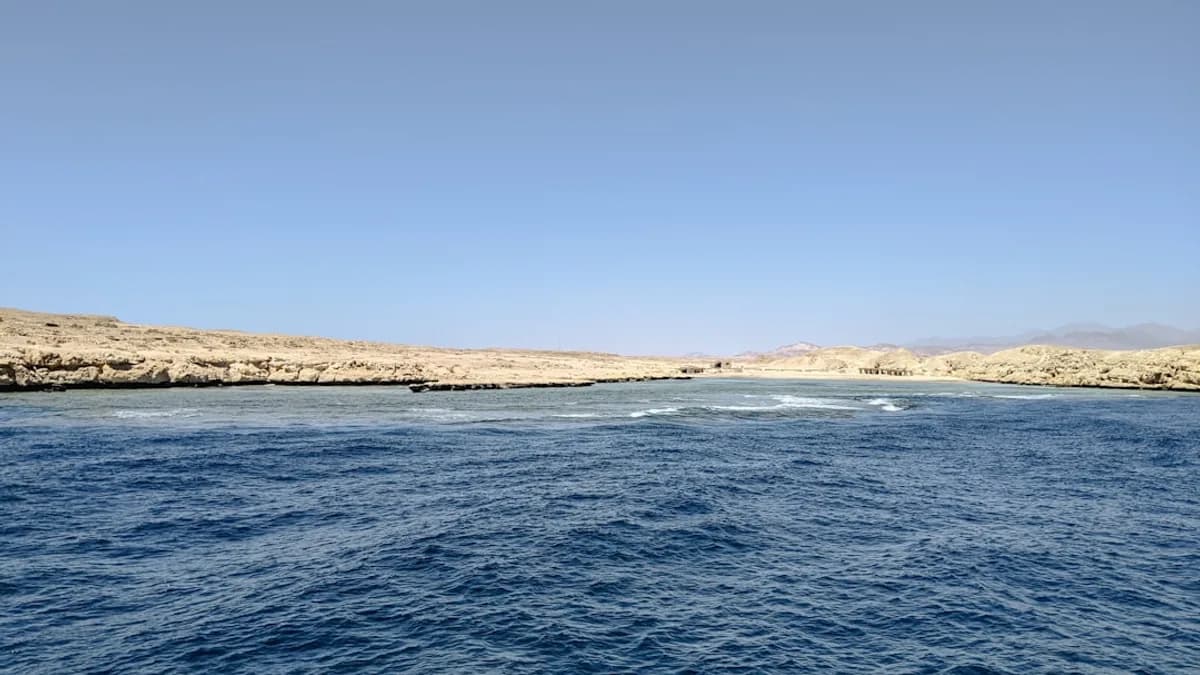
Every day, huge tankers sail through the Strait of Hormuz carrying a fifth of the world’s oil. This narrow waterway sits between Oman and Iran. At its tightest point, it’s only about 33 kilometers wide—so narrow that one ship accident could block traffic for days.
The Strait of Hormuz is one of the world’s most important sea routes. Oil from Saudi Arabia, Iraq, the United Arab Emirates, Kuwait, and Qatar all moves through here. Without the strait, much of the world’s energy would get stuck. This makes it a hot spot for global tension.
Recently, things got even more tense. Iran started asking ships for tolls or “donations” to pass safely. The US government is now warning shipping companies not to pay these fees [Source: Al Jazeera]. This warning comes as Iran offers a new peace plan to the US, raising questions about what happens next.
Understanding the US Warning Against Paying Strait of Hormuz Tolls
The US government just sent a strong message to shipping companies: Don’t pay Iran any tolls or “donations” to pass through the Strait of Hormuz. This isn’t just a friendly reminder—it’s a warning with teeth.
Iran has begun asking ships, especially those connected to Western countries, to pay fees to guarantee safe passage. Sometimes Iran calls these payments “tolls,” other times “donations.” Either way, the US says these payments are illegal. Why? Because under international law, the Strait of Hormuz is an international strait. Ships from every country have the right to pass through without paying extra fees—unless the United Nations agrees on them, which is not the case here.
The US is worried that paying these tolls could set a risky precedent. If shippers start paying, Iran might feel more confident to keep charging or even raise the price. This could make shipping costs jump and might encourage other countries to try the same trick.
There’s also a diplomatic angle. By telling shippers not to pay, the US is sending a message to Iran that it doesn’t accept Iran’s claim over the Strait’s waters. This is about more than just money—it’s about who gets to set the rules in one of the world’s busiest shipping lanes.
The US warning also comes with a risk. If companies refuse to pay, Iran might detain their ships or cause delays. This puts shippers in a tough spot: break the law by paying, or risk their ships and cargo by refusing.
The bigger picture is clear. The US wants to keep the Strait open and stop Iran from getting extra cash or influence. Its warning is both a legal reminder and a show of support for international shipping [Source: Al Jazeera].
Iran’s Position and the New Peace Proposal to the US
While the US is warning about tolls, Iran’s state media says Tehran has sent a new peace proposal to Washington [Source: Al Jazeera]. Details of this plan are still under wraps, but the timing is no accident.
Iran has a lot at stake. Its economy depends on oil exports, and the country has faced tough US sanctions for years. By floating a peace plan, Iran may hope to ease these sanctions and get more breathing room for its economy. It’s also a way for Tehran to appear reasonable in the eyes of the world, especially when it’s being accused of squeezing shippers for money.
Iran’s leaders often try both pressure and diplomacy at the same time. On one hand, they flex their muscles by controlling the Strait. On the other, they send signals that they are open to talks. This strategy lets Iran test the waters to see if the US or its allies are willing to negotiate.
This new peace proposal fits a long pattern in US-Iran relations. For decades, the two countries have traded threats but also looked for ways to talk when tensions get too high. The nuclear deal talks in 2015 were the last big example. Since then, both sides have pulled back from cooperation.
Iran’s peace offer might include promises about maritime safety or wider talks about the region. But with so much distrust on both sides, big changes are unlikely overnight. Still, these diplomatic moves matter. They can help reduce the risk of a crisis, even if they don’t solve the bigger problems right away.
Implications of the US Warning for International Shipping and Global Energy Markets
The US warning puts shipping companies in a tough spot. If they pay Iran’s tolls, they risk breaking US and international law. If they refuse, their ships could get delayed, inspected, or even seized. This uncertainty drives up costs and raises insurance rates for every ship passing through the Strait.
Global oil prices often jump when there’s trouble in the Strait of Hormuz. Even a rumor of a blockade or attack can send prices soaring. In 2019, for example, oil prices spiked over 4% in a single day after attacks on tankers near the strait. If ships face new tolls or greater risks, buyers around the world could end up paying more at the pump.
Shipping firms are trying to manage the risk. Some may reroute ships, use extra security, or buy expensive insurance. But for most, there’s no good way to avoid the Strait of Hormuz—there just aren’t enough pipelines or alternate routes to move the same amount of oil.
The US warning also puts pressure on allies and other big trading nations. Europe, India, China, and Japan all depend on oil that travels through the strait. These countries may push for talks to calm things down or even send more naval ships to protect their tankers.
If Iran pushes too hard with tolls or threats, it could spark a wider crisis. The US and its partners have sent warships to the region before to keep the strait open. But more military ships also raise the risk of accidents or clashes—something everyone wants to avoid.
Industry experts say that even small disruptions can have big effects. For example, if just 10% of tankers get delayed, it could ripple through global supply chains. Oil traders would rush to lock in prices, and countries with small fuel reserves could face shortages within weeks.
In the end, the world depends on the Strait of Hormuz running smoothly. Any new risk—legal, political, or military—makes life harder for shippers, raises costs for consumers, and keeps energy markets on edge.
Historical Context: Past Incidents and Policies in the Strait of Hormuz
Tensions in the Strait of Hormuz are nothing new. In the 1980s, during the Iran-Iraq War, both sides attacked oil tankers in the “Tanker War.” The US even escorted ships through the strait to keep oil moving. In 2011 and 2012, Iran threatened to block the strait if Western sanctions hurt its oil sales. Each time, the world worried about oil prices and regional fighting.
Iran claims it has the right to control parts of the waterway, but the US and most of the world disagree. According to the United Nations Convention on the Law of the Sea, the strait is open to all ships for “transit passage.” Iran has sometimes followed these rules but often tries to use the strait as a bargaining chip when under pressure.
The US has long said that blocking the Strait of Hormuz is a “red line.” In 2012, then-President Obama said the US would act if Iran tried to close the strait. Since then, US Navy ships have kept a close watch on the area. Meanwhile, Iran uses the threat of disruption as a tool to push back against sanctions or show its power.
Today’s warning about tolls is just the latest chapter in a long story of tension, threats, and uneasy peace.
Conclusion: Navigating the Future of Strait of Hormuz Security and Diplomacy
The US warning against paying Iran’s shipping tolls highlights how fragile the Strait of Hormuz can be. Iran’s peace proposal shows it wants options besides pressure, but trust between the US and Iran is hard to rebuild [Source: Al Jazeera].
Diplomacy matters more than ever here. All sides—big and small—depend on safe ships and steady oil. If countries talk instead of fight, the world can avoid new crises.
Looking ahead, international teamwork is key. Whether through the UN, new talks, or sharing information, only real cooperation will keep the Strait of Hormuz—and global energy—safe for everyone. For now, shippers, oil markets, and governments are watching closely, waiting to see what happens next.
Why It Matters
- The Strait of Hormuz is a critical global oil chokepoint, so disruptions affect worldwide energy supplies.
- US warnings aim to prevent Iran from setting a precedent of charging unauthorized fees for international passage.
- Higher shipping costs or instability in the strait could raise global oil prices and impact consumers and economies.