Introduction: Overview of the U.S. Seizure of Iran-Flagged Ship
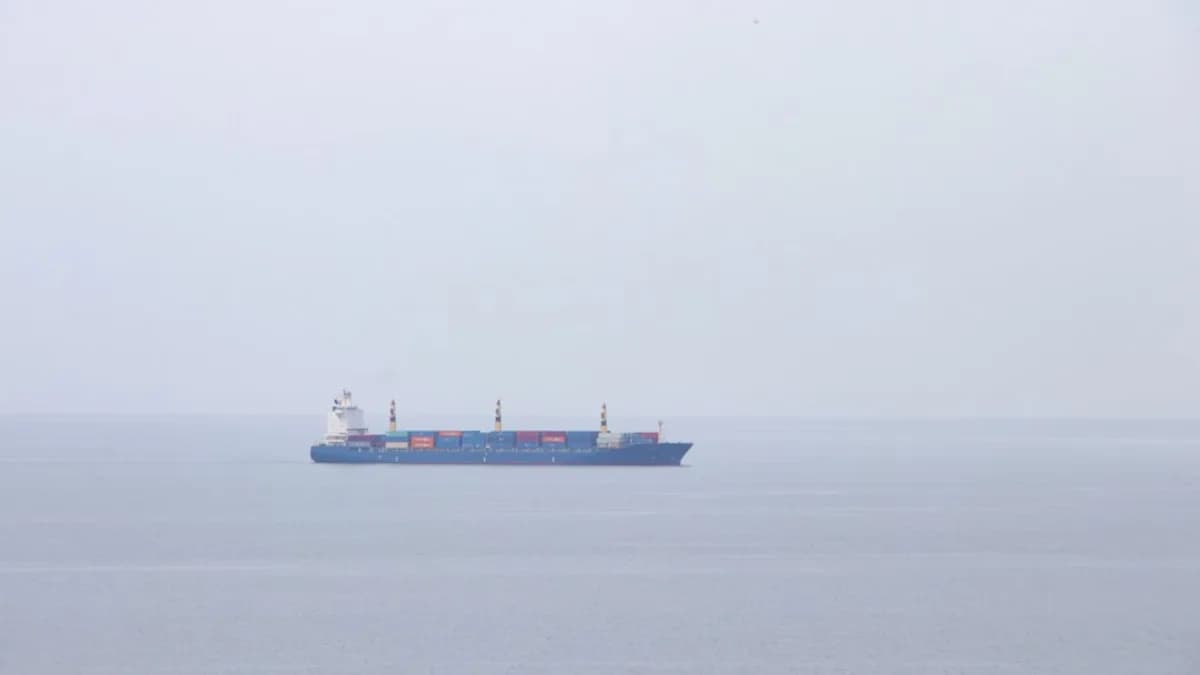
The United States has taken an Iranian-flagged cargo ship into custody, a move that marks a significant escalation in ongoing tensions between Washington and Tehran. Former President Donald Trump publicly confirmed the seizure, emphasizing the seriousness of the incident and its potential ramifications for international relations in the region [Source: Source]. The incident comes amid heightened friction in the strategically vital Strait of Hormuz, a maritime corridor essential for global oil shipments. Almost immediately after news broke of the U.S. action, oil prices reacted sharply, soaring by as much as 7%—a reflection of market anxieties over possible disruptions to energy supplies [Source: Source]. As details continue to emerge, the episode threatens to complicate ongoing diplomatic efforts and raises broader questions about the stability of one of the world’s most critical shipping lanes.
Details of the Incident and Military Engagement
The seizure unfolded in the Arabian Sea, where U.S. naval forces intercepted and boarded the Iranian-flagged cargo vessel. According to multiple reports, including coverage by The New York Times, U.S. forces fired upon the vessel during the engagement, though the full extent of any resulting damage or casualties remains unconfirmed [Source: Source]. The U.S. government has yet to disclose the precise motivations behind the seizure, but officials have alluded to concerns about sanctions violations and possible illicit cargo.
The incident took place near the Strait of Hormuz, a narrow waterway that serves as a critical chokepoint for maritime traffic. Roughly one-fifth of the world’s oil passes through this strait, making it a frequent flashpoint in U.S.-Iran tensions. In recent years, the area has seen numerous confrontations, including the detention of tankers and military standoffs. The strategic importance of the strait cannot be overstated: any disruption can have immediate and far-reaching consequences for global energy markets.
Official statements from U.S. authorities have characterized the operation as necessary for regional security and the enforcement of international sanctions. Former President Trump, in particular, emphasized the show of American resolve, noting that such actions are justified in the face of Iranian provocations [Source: Source]. On the Iranian side, officials condemned the seizure, accusing the U.S. of violating maritime law and escalating hostilities. Tehran has demanded the immediate release of the ship and warned of potential retaliation, further fueling concerns about the possibility of a broader military confrontation.
Impact on Oil Markets and Global Energy Security
The immediate aftermath of the U.S. seizure was felt in the global energy markets, where oil prices surged by approximately 7% [Source: Source]. Traders reacted to the sudden uncertainty surrounding the security of oil shipments through the Strait of Hormuz, a region that handles nearly 21 million barrels of oil per day. Even a brief disruption in the flow of tankers could strain global supply, amplifying volatility in already sensitive markets.
This incident comes at a delicate moment for diplomatic talks aimed at stabilizing oil production and prices. The seizure has cast a shadow over ongoing negotiations, with market participants now worried that further escalation could undermine efforts to ensure a steady energy supply [Source: Source]. The risk is not merely short-term: repeated disruptions or military confrontations in the strait could prompt major consumers to seek alternative routes or suppliers, reshaping the global energy landscape.
In the short term, the spike in prices reflects both immediate supply fears and broader investor anxiety. However, the long-term implications could be even more significant. If tensions persist or worsen, insurance premiums for tankers could rise, shipping costs may increase, and countries could be forced to reevaluate their strategic reserves and supply chains. The Strait of Hormuz remains the world’s most critical oil transit chokepoint, and any event that threatens its stability reverberates far beyond the region.
Broader Geopolitical Context and U.S.-Iran Relations
The U.S.-Iran standoff in maritime regions is rooted in decades of mutual distrust and confrontation. The Strait of Hormuz, in particular, has been the site of numerous flashpoints, from the “Tanker War” of the 1980s to more recent incidents involving the detention of commercial ships and the downing of drones. The current seizure is only the latest in a long line of confrontations that underscore the volatility of the region [Source: Source].
In the months leading up to this incident, several ships—both Iranian and international—have been detained or harassed in and around the strait. These actions often serve as bargaining chips in broader diplomatic negotiations or as retaliatory measures in response to sanctions and other pressures. The seizure of an Iranian cargo ship by the U.S. signals a willingness to adopt more assertive tactics, even at the risk of provoking a military response.
The implications for regional security are profound. Gulf states, many of which rely on U.S. military protection, are likely to view the incident as both a warning and a concern. International diplomatic efforts, including European attempts to mediate between Washington and Tehran, now face new obstacles. Meanwhile, the episode could influence future U.S. foreign policy, particularly with respect to sanctions enforcement and naval deployments in the region.
Looking ahead, the possibility of further escalation cannot be ruled out. Each incident increases the risk of miscalculation and could trigger a cycle of retaliation that undermines both regional and global security. The international community will be closely watching for signs of diplomatic engagement—or, alternatively, signals that the standoff could spiral into open conflict.
Conclusion: Summary and Outlook
The U.S. seizure of an Iran-flagged cargo ship marks a significant escalation in the already tense relationship between Washington and Tehran. The operation, confirmed by former President Trump, has triggered a sharp increase in oil prices and raised fresh concerns about the security of global energy supplies through the Strait of Hormuz [Source: Source]. The incident’s geopolitical ramifications are immediate and far-reaching, straining diplomatic efforts and increasing the likelihood of future confrontations.
As both nations exchange accusations and threats, the international community faces a period of heightened uncertainty. The coming weeks will be critical in determining whether cooler heads prevail or if the region edges closer to a broader conflict. For now, markets and policymakers alike are bracing for further developments, aware that the stability of one of the world’s most important shipping lanes hangs in the balance.