US Redirects 49 Vessels to Strengthen Iran Blockade Amid Stalled Negotiations
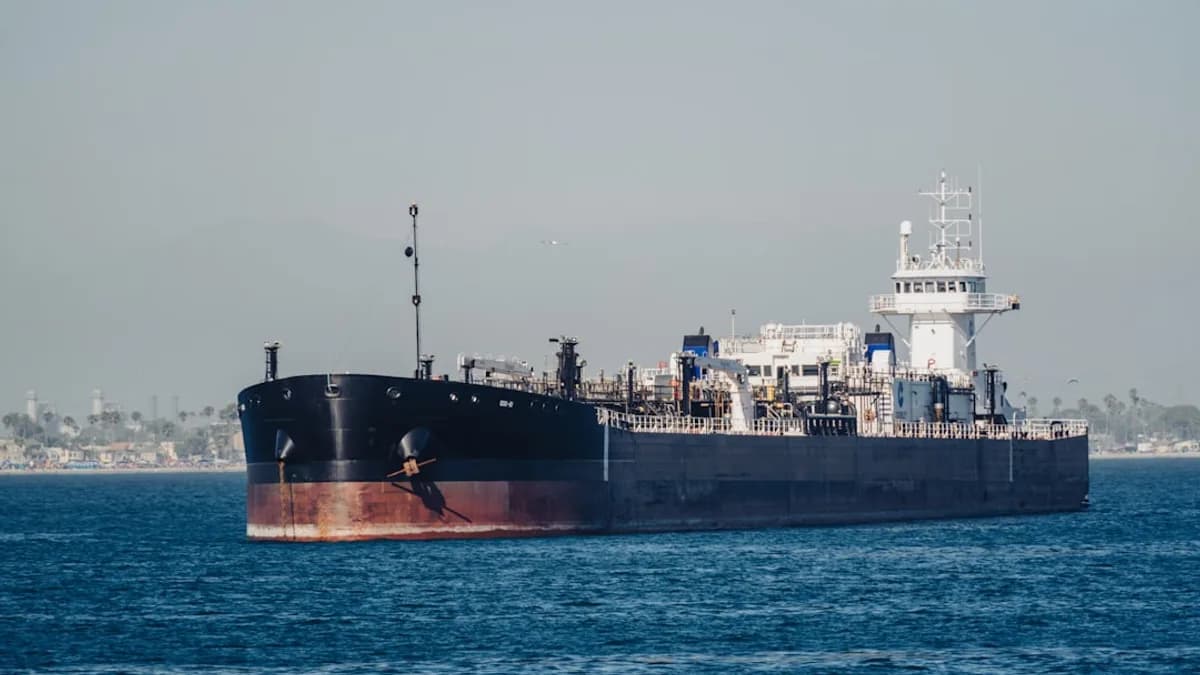
The US military has rerouted 49 vessels to reinforce its maritime blockade around Iran, escalating pressure as nuclear talks collapse and backdoor diplomacy stalls. This surge in naval presence aims to tighten the noose on Iranian oil exports and disrupt sanctioned shipments in the Persian Gulf, according to CryptoBriefing.
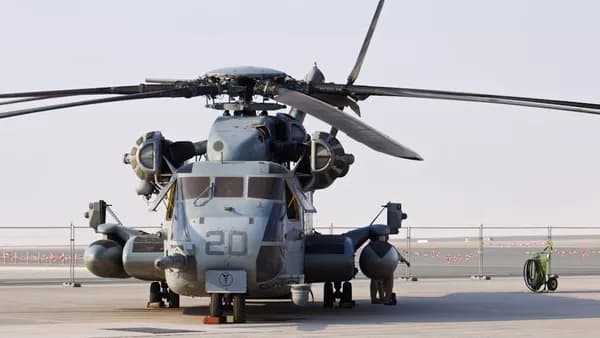
The redirected fleet includes destroyers, support ships, and surveillance assets from the Fifth Fleet and US Central Command, deployed within days of the latest negotiation breakdown. Pentagon officials signaled that intercepts and inspections will intensify, targeting both state and proxy vessels suspected of sanctions evasion.
This escalation marks the largest US naval repositioning in the region since 2019, when tanker attacks and retaliatory strikes raised the specter of direct conflict. Washington's immediate goal: choke off Tehran’s sanctioned oil revenues, disrupt arms shipments to regional militias, and force Iran back to the negotiating table under duress.
Economic and Geopolitical Consequences of the Heightened Iran Blockade
Iran’s battered economy faces fresh pain. The country relies on crude exports for more than 40% of its budget revenue. With nearly two million barrels a day already lost to sanctions since 2018, a tightened blockade could drive legal and black-market sales even lower—potentially erasing up to $30 billion in annual oil income.
Global oil prices reacted instantly. Brent crude futures jumped 2.4% on news of the vessel redeployments, with traders bracing for further supply disruptions through the Strait of Hormuz, a choke point for nearly a third of seaborne oil. Asian importers, especially China and India, now weigh the risk of secondary sanctions and shipping insurance spikes.
Regional powers sharpened their rhetoric. Saudi and Emirati officials warned of destabilization and called for restraint, while Israel openly backed the US clampdown. The European Union, caught between energy needs and diplomatic pressure, urged both sides to resume talks but offered few concrete measures.
The blockade’s teeth come as negotiations hit their lowest point in years. Western diplomats say Iranian negotiators walked away from the last round without concessions on uranium enrichment or missile programs. Tehran, for its part, accuses Washington of economic warfare and vows asymmetric retaliation—raising fresh risks of maritime skirmishes or cyberattacks on energy infrastructure.
Future Outlook: What to Expect from US-Iran Relations and Global Energy Markets
The next weeks will test whether either side blinks. If Iran resumes talks, the US may ease enforcement or offer waivers for humanitarian shipments. But a breakdown risks tit-for-tat escalation—seizures of foreign tankers, proxy attacks against US assets, or even direct naval clashes. Insurance premiums for ships crossing the Persian Gulf are already up 15% since the announcement.
International shipping routes face rising uncertainty. Major carriers are rerouting or delaying voyages, and Lloyd’s of London has warned of “war risk” surcharges if tensions persist. A prolonged standoff could force OPEC+ to adjust production targets, reshuffle supply chains, and push energy-importing economies to accelerate diversification away from Gulf crude.
Diplomatic windows remain—European and Gulf states are organizing backchannel meetings, and the White House has not ruled out limited sanctions relief if Iran shows “verifiable restraint.” But with both sides dug in, market volatility and regional brinkmanship are likely to intensify before any deal materializes.
Watch for signals from Vienna, Riyadh, and Beijing. A surprise diplomatic breakthrough could reverse market jitters, while another round of maritime confrontations may redraw global energy flows for months. For traders, shippers, and policymakers, the margin for error is shrinking fast.
Impact Analysis
- The US naval surge intensifies economic pressure on Iran, targeting its crucial oil exports.
- Global oil markets are rattled by supply fears, causing price spikes and increased volatility.
- Regional tensions rise, risking escalation and broader instability in the Persian Gulf.