Why the US Missile Shortage Threatens Global Military Influence
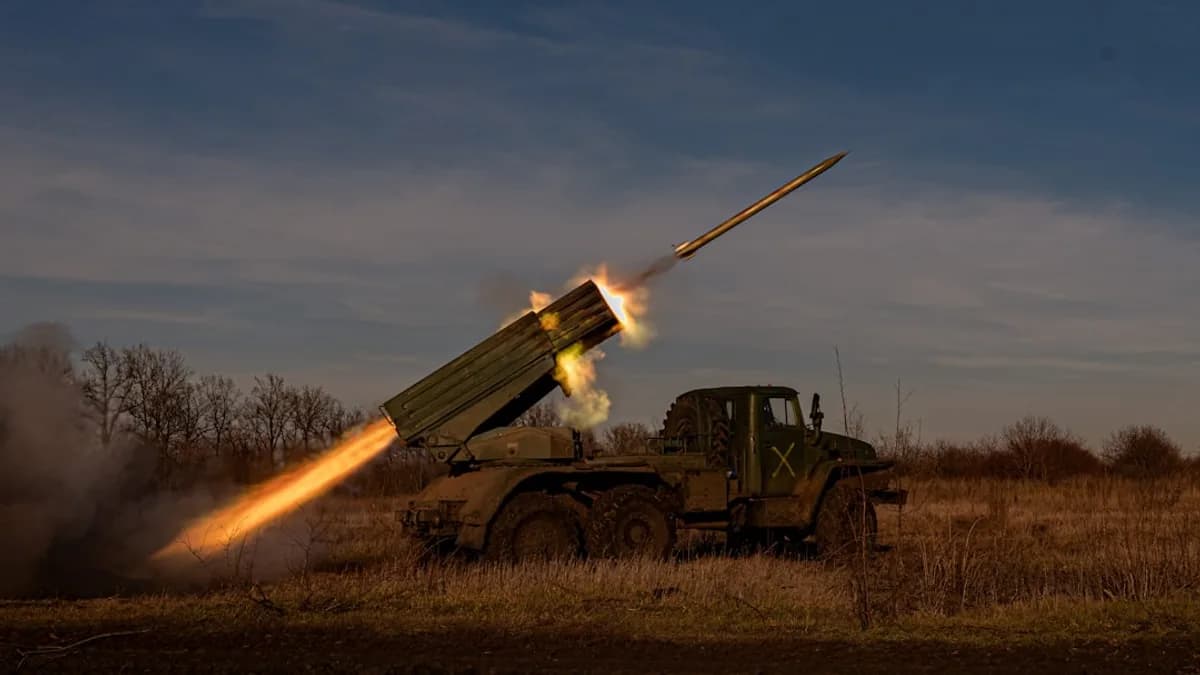
The US military faces a missile shortage that’s already reshaping its power projection, according to CryptoBriefing. Pentagon stockpiles of Tomahawk cruise missiles, Patriot interceptors, and Javelin anti-tank munitions have dwindled after years of heavy deployment, especially since the 2022 Russian invasion of Ukraine. Washington’s push to supply Kyiv with thousands of advanced missiles has drained reserves faster than defense contractors can refill them. Raytheon and Lockheed Martin, the top suppliers, struggle with production bottlenecks and supply chain snags—lead times for some missile types now stretch over 18 months.
Missile inventory isn’t just a logistics headache—it’s central to US deterrence. The credibility of American threats depends on the ability to back up words with precision strikes, whether against Iranian installations or Russian armor. A depleted arsenal limits military readiness, erodes flexibility in crisis response, and makes adversaries less fearful of US retaliation. Missile shortfalls undermine Washington’s “overmatch” doctrine, which relies on overwhelming firepower to preempt escalation.
The ripple effects extend beyond the Pentagon. US foreign policy leans heavily on missile-backed assurances to allies from South Korea to Poland. When stockpiles run thin, America’s promises start to ring hollow. In recent months, diplomatic cables have revealed growing anxiety among European and Middle Eastern partners about US capacity to deliver in a major conflict. Without enough missiles, Washington risks losing leverage in negotiations, its influence in coalition operations, and ultimately, its status as the world’s military anchor.
How the Missile Shortage Complicates US Strategy Toward Iran
US strategy toward Iran hinges on credible military options—everything from targeted strikes on nuclear facilities to quick suppression of proxy forces in the Gulf. The Pentagon’s preferred approach pairs diplomatic pressure with the threat of high-precision, low-collateral missile attacks. But as inventories shrink, operational planners confront a stark reality: they may not have enough missiles to execute campaign scenarios that once seemed routine.
Shortages force hard choices. Should the US conserve its most advanced missiles for potential conflicts with Russia or China, or spend them in smaller-scale operations against Iran-backed militias? The calculus is now more complex. In April 2024, officials reportedly delayed planned missile deployments to the Gulf, citing the need to prioritize European commitments. This kind of triage weakens deterrence. If Tehran senses gaps in US capacity, it may ramp up ballistic missile tests, harass shipping lanes, or accelerate uranium enrichment, gambling that Washington won’t risk its limited arsenal.
Diplomatic leverage suffers too. The threat of a missile strike carries weight in negotiations with Iranian officials, especially given the regime’s sensitivity to precision attacks on infrastructure. But if Iran doubts the US can follow through, talks shift. Washington’s bargaining power erodes, while regional actors like Israel or Saudi Arabia reconsider their own options—including unilateral action. The missile shortage doesn’t just constrain military moves; it distorts the diplomatic chessboard.
In What Ways Does the Shortage Strain NATO’s Collective Defense Commitments?
NATO has always relied on US missile stockpiles for its shield and sword. American missile systems—Patriot batteries, Tomahawks, and air defense interceptors—anchor joint exercises, reinforce vulnerable borders, and bulk up quick-response forces. When US missiles are scarce, the alliance’s military backbone weakens.
The impact is visible in joint drills. In 2023, the US cancelled missile live-fire exercises in Poland and the Baltics, citing inventory pressures. That decision rattled Eastern European members worried about Russian aggression. NATO’s rapid reaction plans—like the Very High Readiness Joint Task Force—depend on US missile availability. If those systems aren’t ready, Europe’s frontline states face longer odds in a crisis.
Burden-sharing debates have intensified. Germany and France now push for greater missile autonomy, raising budgets for their own interceptor programs and even considering joint procurement outside US channels. Allies fret that Washington’s reliability, long taken for granted, is no longer assured. This anxiety is clear in diplomatic statements and procurement shifts: Poland signed a $2.5 billion deal for South Korean missile systems in late 2023, hedging against US shortages.
The missile gap risks hollowing out NATO’s collective defense promise. If European partners lose faith in American support, the alliance’s deterrence crumbles—and adversaries notice. Moscow’s recent military exercises near Kaliningrad have tested NATO’s readiness, probing for weaknesses that a missile shortage might expose.
What Are the Broader Geopolitical Risks of the US Missile Shortage?
Adversaries watch US missile inventories as closely as Wall Street tracks earnings. When America runs low, others move fast. Russia has already stepped up its nuclear saber-rattling, confident that depleted US conventional stockpiles limit escalation options. China, meanwhile, continues to expand its missile arsenal, fielding new hypersonic systems and anti-ship weapons designed to challenge US dominance in the Pacific.
The shortage risks sparking arms races. Regional players—India, Turkey, Iran—accelerate their own missile development, sensing new opportunities to fill a power vacuum. In the Middle East, Gulf states have inked deals for both Western and Chinese missile technology, seeking insurance against unreliable US support. This scramble for firepower destabilizes regional balances, raising the odds of miscalculation and conflict.
Alliances are shifting. US partners now shop for alternatives, whether it’s European defense initiatives or Asian multilateral pacts. Japan and Australia have ramped up joint missile programs, wary that Washington’s arsenal may not be enough in a Taiwan crisis. The risk: America’s influence fractures, and global stability suffers as alliances become less cohesive.
Missile shortages aren’t just a tactical problem—they’re strategic. When the US can’t back up its commitments, the world’s security architecture starts to wobble. The risk of conflict escalation grows as deterrence loses credibility, and adversaries test boundaries once held firm.
How Is the US Addressing the Missile Shortage and What Are the Future Prospects?
Washington is racing to fix the missile gap. The Biden administration signed off on a $6 billion supplemental defense package in March 2024, earmarking funds for expanded missile procurement and new production lines. Raytheon and Lockheed Martin have announced plans to double output of Patriot and Javelin systems by late 2025, investing in automation and supply chain upgrades. The Pentagon is also accelerating development of alternative weapons—like hypersonic missiles and loitering munitions—to diversify its arsenal.
A recent mini case study: In December 2023, the US awarded a $1.2 billion contract to boost Tomahawk missile production, aiming to deliver 2,500 units over three years. Yet even with these efforts, industry insiders warn that ramp-up timelines are slow. Missile manufacturing is capital-intensive, and skilled labor shortages hamper progress. The Defense Department projects that Patriot inventories won’t reach target levels until mid-2026, barring further disruptions.
Innovation offers some hope. The Pentagon has begun testing AI-driven targeting systems and modular missile components that can be swapped across platforms. These advances promise faster production and greater flexibility, but they’re years from mass deployment.
The bottom line: The missile shortage won’t vanish overnight. US defense planners must juggle immediate needs with long-term investments, balancing deterrence today against the risk of future gaps. For investors, contractors, and allied governments, the key question is whether Washington can restore its missile stockpiles before adversaries exploit the window. Watch for contract awards, delivery schedules, and alliance procurement shifts—they’re the early signals of whether America’s military credibility will rebound or continue to erode.
Impact Analysis
- US missile shortages weaken the country's ability to deter and respond to threats from adversaries like Iran and Russia.
- Depleted missile stockpiles strain NATO commitments and reduce US credibility with allies, impacting global military alliances.
- Production bottlenecks and supply chain delays mean that replenishing missile inventories could take over a year, limiting rapid response options.