Introduction: Understanding the Strategic Importance of the Strait of Hormuz and Iranian Ports
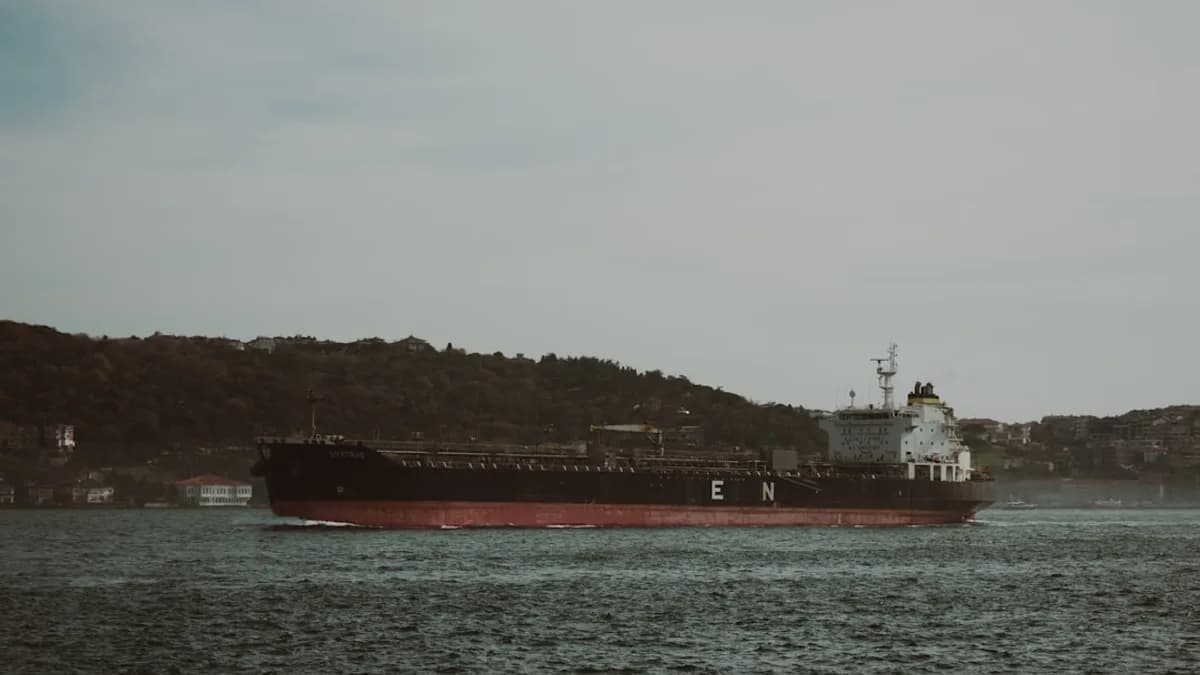
The Strait of Hormuz is widely recognized as one of the world’s most vital maritime chokepoints. Approximately one-fifth of global oil shipments pass through this narrow stretch, making it a linchpin in international energy supply chains. The region’s geopolitical landscape has recently become increasingly volatile, primarily due to mounting tensions between the United States and Iran. In response to perceived threats, the US military is poised to implement a naval blockade targeting Iranian ports—a move that could have far-reaching consequences not only for regional stability but also for global trade and energy markets [Source: Source]. Meanwhile, Iran has issued warnings, threatening retaliation against ports in the Persian Gulf and the Sea of Oman if its own maritime access is compromised. As the situation develops, understanding the strategic stakes and potential repercussions is critical for policymakers, businesses, and maritime operators worldwide.
How the US Military Plans to Implement a Naval Blockade on Iranian Ports
A naval blockade is a complex and high-stakes operation, especially when conducted in international waters near a heavily trafficked region like the Strait of Hormuz. The US military’s approach involves several coordinated steps to establish an effective blockade while minimizing risks to civilian shipping and adhering to international legal standards.
Deployment of Naval Assets: The first stage involves positioning a formidable array of US naval forces in the vicinity of Iranian ports and key maritime routes. This includes aircraft carriers, guided missile destroyers, cruisers, and mine countermeasure vessels. These platforms provide both offensive and defensive capabilities, allowing the US Navy to intercept unauthorized vessels, deter Iranian naval activity, and respond rapidly to potential threats [Source: Source].
Surveillance and Intelligence Operations: Continuous monitoring is essential for enforcing a blockade. The US military utilizes advanced surveillance aircraft, drones, and satellites to track Iranian ship movements and detect suspicious activity. Reconnaissance missions gather real-time intelligence, enabling commanders to make informed decisions and anticipate Iranian tactics—such as the use of small, fast attack boats or disguised merchant vessels [Source: Source].
Legal and Operational Challenges: Establishing a blockade in international waters is fraught with legal complexities. Under international law, particularly the United Nations Convention on the Law of the Sea (UNCLOS), blockades must be declared and enforced without unduly interfering with neutral shipping. The US must ensure that its actions do not violate maritime rights, provoke unintended escalation, or disrupt global commerce beyond the intended scope [Source: Source].
Communication and Coordination: To minimize misunderstandings and avoid accidental escalation, the US Navy maintains open communication channels with allied navies and commercial shipping operators. Coordination with regional partners enhances situational awareness and provides additional resources for enforcement.
Rules of Engagement and Escalation Control: Strict rules of engagement govern the use of force during a blockade. US commanders must balance deterrence with restraint, only taking action against vessels that violate the blockade or pose imminent threats. This careful approach is designed to prevent escalation while maintaining the integrity of the operation [Source: Source].
How the US Navy Could Sweep Mines and Ensure Safe Passage Through the Strait of Hormuz
Iran has historically relied on maritime mines as a cost-effective way to disrupt shipping, particularly in the Strait of Hormuz and the Sea of Oman. Mines pose significant hazards to both military and commercial vessels, potentially causing casualties, environmental damage, and supply chain disruptions.
Mine Detection and Clearance Technologies: The US Navy employs a range of advanced technologies to detect and neutralize mines. Mine countermeasure vessels (MCMVs) are equipped with sonar systems, remotely operated vehicles (ROVs), and specialized mine-hunting drones. These tools provide real-time mapping of the seafloor and enable precise identification and disposal of mines [Source: Source].
Coordination Between Naval Units: Mine-sweeping operations require close coordination between surface ships, helicopters, and underwater drones. Teams work in tandem to locate and clear minefields, ensuring safe passage for merchant vessels and naval convoys. Regular patrols and sweeps are conducted to maintain open waterways, especially during heightened tensions [Source: Source].
Contingency Planning: In the event of active conflict or increased mine deployment by Iran, the US Navy has contingency plans to scale up mine countermeasures. These include rapid deployment of additional MCMVs, integration with allied naval forces, and establishment of secure corridors for commercial traffic. Protecting critical shipping lanes is a top priority, given the economic and strategic stakes involved [Source: Source].
How Iran’s Threats to Middle Eastern Ports Could Impact Regional Maritime Security
Iran’s leadership has responded to US blockade plans with threats to target ports across the Persian Gulf and the Sea of Oman, raising concerns about broader regional instability. These threats could have major implications for trade, energy supply, and maritime security.
Potential Targets and Strategic Value: Ports such as Dubai, Abu Dhabi, and Muscat serve as key hubs for oil exports, container shipping, and regional commerce. Disruptions at these locations could impede global supply chains, drive up energy prices, and undermine investor confidence [Source: Source].
Regional and International Response: Neighboring countries may bolster their own naval defenses, increase surveillance, and coordinate with international partners to protect vital infrastructure. The United States and its allies are likely to enhance security protocols and readiness, while the United Nations and other global bodies may call for restraint and mediation [Source: Source].
Implications for Global Shipping and Energy Markets: Threats to ports and shipping lanes could prompt rerouting of commercial vessels, insurance premium hikes, and delays in deliveries. The ripple effect would be felt worldwide, affecting manufacturing, logistics, and energy supplies. Markets may react with volatility, reflecting uncertainty about the region’s stability [Source: Source].
Stakeholder Engagement: International shipping associations, logistics companies, and energy traders are actively monitoring developments, seeking guidance from governments and maritime authorities. Risk assessments and contingency planning are underway to minimize exposure and ensure operational continuity [Source: Source].
How to Navigate the Risks and Prepare for Potential Escalations in the Region
Given the heightened risk environment, commercial shipping companies, governments, and maritime organizations must adopt proactive strategies to safeguard operations and support regional stability.
Risk Assessment and Route Planning: Shipping operators should conduct thorough risk assessments, taking into account current security alerts, naval activity, and potential hazards. Alternative routes should be considered where feasible, and vessels must be equipped with enhanced tracking and communication systems [Source: Source].
Crisis Management and Coordination: Governments and maritime organizations should establish crisis response teams, develop contingency protocols, and maintain open lines of communication with naval authorities. Training exercises and scenario planning can improve preparedness and reduce reaction times during emergencies [Source: Source].
Diplomatic Efforts and De-escalation: Diplomatic engagement remains essential to prevent escalation and resolve disputes peacefully. Multilateral forums, including the United Nations and regional bodies, can facilitate dialogue, promote transparency, and coordinate collective responses to maritime threats [Source: Source].
International Law and Cooperation: Adherence to international law is crucial for maintaining legitimacy and minimizing unintended consequences. Collaborative efforts between navies, port authorities, and shipping companies can enhance security and ensure compliance with global standards [Source: Source].
Insurance and Financial Planning: Companies should review insurance policies, adjust coverage as needed, and plan for potential disruptions. Financial reserves and alternative supply channels can help mitigate losses if operations are affected by conflict or blockades [Source: Source].
Conclusion: Balancing Military Strategy and Regional Stability Amidst Rising Tensions
The unfolding situation in the Strait of Hormuz and surrounding waters underscores the complexities of balancing military strategy with regional stability. Implementing a US naval blockade and countering Iranian threats require careful coordination, legal compliance, and robust risk management. The stakes are high—not only for the nations directly involved, but also for global energy security, international trade, and economic prosperity. As events evolve, continued monitoring, preparedness, and diplomatic engagement will be vital to minimizing disruption and safeguarding maritime interests. The world will be watching closely, aware that decisions made in the region could reverberate far beyond its borders [Source: Source].