How US Deployment of Merops Drones Signals a New Phase in Iran Tensions
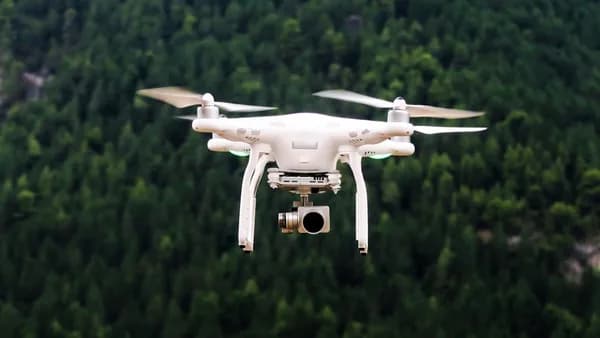
Merops drones didn’t arrive in the Middle East as a routine upgrade—they landed at a moment when US-Iran relations are already raw, amplifying the risk of open confrontation. The Pentagon’s decision to deploy these advanced UAVs near the Strait of Hormuz, a chokepoint for a third of the world’s seaborne oil, signals a shift from monitoring to active deterrence. While previous US drone deployments focused on intelligence gathering and targeted strikes, Merops brings persistent overwatch and rapid response capabilities, making it harder for Iran to operate undetected.
The timing is no accident. In the wake of recent Iranian naval drills and missile tests, Washington’s move is calibrated to counter Tehran’s increasing military assertiveness. According to CryptoBriefing, the Merops deployment follows a string of close calls in the region, including Iranian attempts to harass commercial vessels and US patrols. By positioning Merops drones within range of Iranian bases and critical maritime routes, the US is signaling not just readiness, but resolve—raising the stakes for any miscalculation.
This escalation carries consequences for every player in the region. US commanders now have real-time surveillance and strike capacity, which compresses decision windows and ratchets up the pressure on Iranian forces. For Tehran, the message is clear: the US is done playing defense. The deployment nudges the already volatile balance away from “wait and see” and toward “act and react”—a dynamic that rarely ends quietly.
Quantifying the Impact: Data on Drone Capabilities and Regional Military Balance
Merops drones are built for endurance and precision. With a flight ceiling above 50,000 feet, a range exceeding 3,000 kilometers, and a payload that supports both ISR (intelligence, surveillance, reconnaissance) and strike missions, they outclass most regional competitors. Each drone can loiter for over 24 hours, relay high-definition imagery in real time, and deliver laser-guided munitions if ordered. This isn’t just a marginal improvement; it’s a leap in operational flexibility.
Contrast that with Iran’s current drone arsenal. Tehran’s flagship UAVs—like the Shahed-129 and Mohajer-6—have maximum ranges under 2,000 kilometers and flight durations topping out at 20 hours, mostly equipped for surveillance and limited strike capability. Iran’s drones have proven effective in asymmetric warfare, but they’re vulnerable to electronic warfare and lack the real-time data integration that defines Merops.
Numbers tell the story. The US operates over 150 advanced drones in the Middle East, a figure that dwarfs Iran’s estimated 50-70 operational UAVs. The Merops fleet alone could monitor the entire Gulf, surveilling Iranian naval movements and missile sites. These drones plug into a wider network, feeding data to US warships, bases, and allied partners. With Merops, the US isn’t just narrowing the surveillance gap—it’s rewriting the region’s military calculus. Iran’s forces must now assume they’re under constant watch, their windows for surprise closing fast.
Diverse Stakeholder Perspectives on US Drone Deployment in the Middle East
The US government frames Merops as a stabilizer: a way to prevent Iranian provocations and reassure allies. Pentagon statements emphasize “force protection” and “freedom of navigation,” arguing that advanced drones are necessary to deter Iranian harassment of commercial vessels and US assets. Commanders tout the drones’ ability to provide actionable intelligence, reducing the need for risky manned patrols.
Iran, predictably, sees things differently. Tehran’s officials denounce the deployment as “aggressive escalation,” accusing Washington of inflaming regional tensions and threatening sovereignty. Iranian military leaders have vowed to “counter and neutralize” US drones, referencing past shootdowns of American UAVs, such as the 2019 downing of a Global Hawk over the Strait of Hormuz. The rhetoric is sharp, but so is the underlying anxiety: Merops makes it harder for Iran to mask its military moves or calibrate its responses.
Regional allies are split. Gulf states like Saudi Arabia and the UAE welcome the deployment, viewing Merops as a shield against Iranian attacks on oil infrastructure and shipping. Israel, meanwhile, sees the drones as a force multiplier for joint operations and intelligence sharing. China and Russia, though, warn that increased US drone activity risks “destabilizing the region,” echoing Iran’s concerns and hinting at their own stake in the Gulf’s energy flows.
Tracing the Evolution of US-Iran Military Engagements and Drone Warfare
Drone warfare between the US and Iran has a history punctuated by flashpoints. The 2019 shootdown of a US Global Hawk by Iran nearly triggered airstrikes, only averted at the last moment. Earlier incidents saw US drones intercepted or jammed during reconnaissance missions near Iranian territory. In turn, Iran has used drones to target US bases in Iraq and Saudi oil facilities, testing the limits of escalation.
The Merops deployment fits into a broader trend: drones are shifting from supplemental tools to central assets in military strategy. Ten years ago, US drone strikes were mostly confined to counterterrorism operations. Now, persistent drone surveillance is the backbone of maritime security and power projection. Iran, for its part, has leaned on drones for asymmetric tactics—harassing tankers, supporting proxies in Yemen and Lebanon, and signaling capability to rivals.
Historically, each new phase of drone escalation has ratcheted up tensions. The US’s introduction of Reaper drones to the Gulf in the early 2010s sparked Iranian investment in indigenous UAVs. When Iran began using its drones for direct attacks, the US responded with expanded electronic warfare and missile defenses. The pattern is clear: new drone deployments drive countermeasures, not détente.
What the Merops Drone Deployment Means for Regional Security and Global Markets
Military escalation rarely stays contained. The Merops deployment increases the risk of accidental clashes, especially with Iranian forces operating in crowded airspace. Near-term, this heightens the probability of incidents—misidentified aircraft, warning shots, and rapid escalation. The cost isn’t just military; it’s economic.
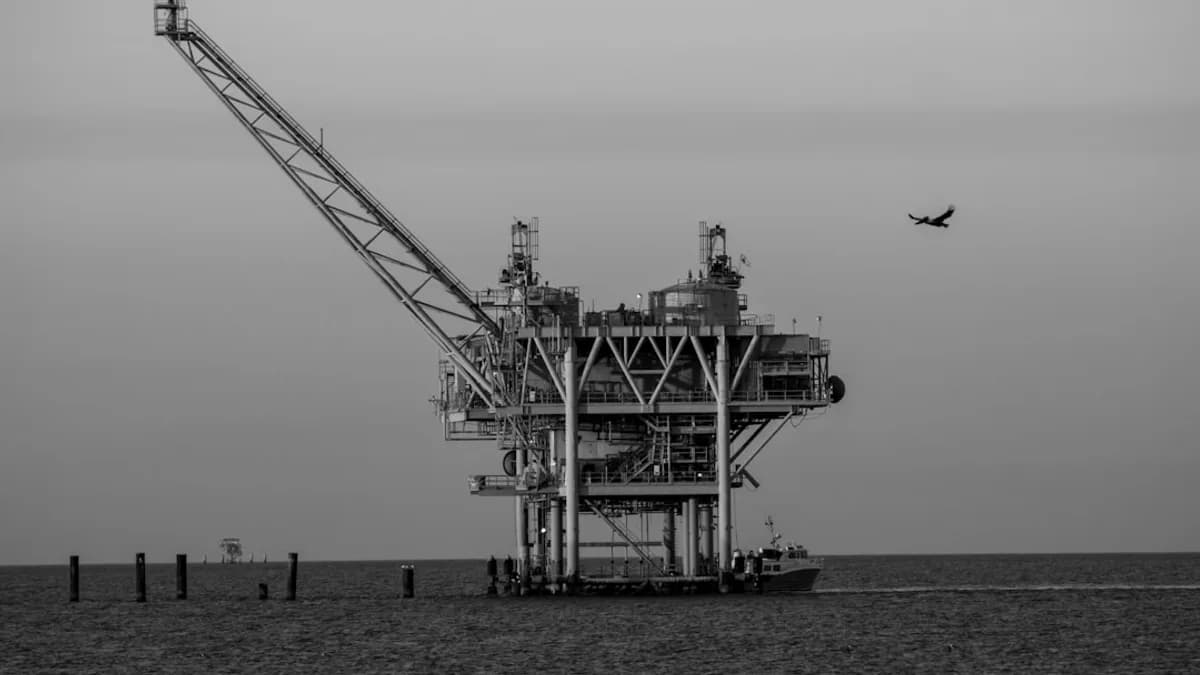
Oil markets are watching closely. The Strait of Hormuz handles nearly 21 million barrels of oil per day. Any disruption—whether from drone strikes, sabotage, or a shooting incident—can spike prices. The last major incident, the 2019 tanker attacks, sent Brent crude up 12% in a single day. Merops drones could deter Iranian harassment, but also provoke bolder moves if Tehran feels boxed in.
Global trade is exposed. Insurance premiums on Gulf shipping routes are already elevated; further escalation could double them, as happened after the 2019 attacks. Investors are skittish—geopolitical risk indexes tied to the region have risen 30% since early 2024. With Merops drones in play, traders are betting on volatility, not stability. The deployment doesn’t just raise military stakes; it rattles the confidence of markets that depend on predictable Gulf flows.
Predicting Future Developments: How Drone Technology Could Shape US-Iran Relations
Advanced drones like Merops are rewriting the script for US-Iran relations, but not always for the better. If the US doubles down, deploying more drones and integrating them with AI-driven targeting and real-time data sharing, Iran will likely respond in kind—expanding its drone arsenal, seeking new electronic warfare tools, and possibly targeting US drones for shootdowns or cyber attacks.
Diplomatic channels may narrow. Past attempts at de-escalation, such as the “hotline” established after the 2019 incident, could falter if drone incidents become routine. The risk of miscalculation grows as drones compress response times and blur the line between surveillance and attack.
Emerging drone tech—autonomous swarms, stealth UAVs, and AI-powered sensor fusion—will further complicate conflict dynamics. By 2027, analysts expect Iran to field longer-range drones, closing the gap with US capabilities. If both sides embrace drone escalation, the Gulf could become a proving ground for next-generation unmanned warfare.
But there’s a slim opening for restraint. If Merops deployments deter Iranian attacks without triggering retaliation, the US could use drones as bargaining chips in future negotiations. The most likely scenario, though, is a slow grind: more drones, more countermeasures, and a region where every move is watched, every misstep amplified. For investors, the smart money is on continued volatility—until either a diplomatic breakthrough or a crisis forces a new equilibrium.
Impact Analysis
- The Merops deployment increases real-time surveillance and strike options for US forces near Iran.
- It signals a shift from passive monitoring to active deterrence, raising the risk of military escalation.
- Control over the Strait of Hormuz impacts global oil flows, making regional stability a critical concern.