Introduction: The Current State of U.S.-Iran Negotiations
As international attention focuses once again on the fraught relationship between Washington and Tehran, high-level mediators are scrambling to revive stalled U.S.-Iran talks. While the two sides face a host of obstacles—including escalating tensions in the Strait of Hormuz and mounting concerns over Iran’s expanding nuclear stockpile—diplomats insist that “the door is not closed.” This phrase, echoed by multiple sources close to the negotiations, reflects a persistent, if cautious, optimism that progress remains possible despite entrenched positions and recurring setbacks [Source: Source]. The outcome of these efforts carries significant implications not just for bilateral relations, but for regional stability, global oil markets, and the broader non-proliferation regime.
Background: Historical Context and Previous Negotiation Efforts
The U.S.-Iran relationship has been defined by decades of mistrust, punctuated by sporadic diplomatic breakthroughs and frequent setbacks. The 2015 Joint Comprehensive Plan of Action (JCPOA), known as the Iran nuclear deal, represented a rare moment of cooperation, with Iran agreeing to curb its nuclear program in exchange for economic sanctions relief. However, the U.S. withdrawal from the JCPOA in 2018 under President Trump reignited tensions, leading Tehran to incrementally reduce its compliance and ramp up uranium enrichment activities [Source: Source].
Amid ongoing efforts to restore the deal, figures like Senator JD Vance have emerged as vocal critics of U.S. engagement in the region. Vance, for instance, attempted to influence the trajectory of U.S. policy by advocating for an end to American involvement in Iran-related conflicts. Despite his efforts, entrenched interests and a lack of bipartisan consensus stymied any significant change in the administration’s approach [Source: Source]. This episode underscores the complex domestic politics that often shape U.S. foreign policy toward Iran.
Iran, for its part, has a well-established pattern of employing protracted negotiation tactics. As former CIA Director David Petraeus recently noted, “Iranians are quite good at dragging out negotiations,” leveraging time to extract concessions or adapt to shifting geopolitical contexts [Source: Source]. This approach, while frustrating to Western interlocutors, has allowed Tehran to maintain leverage and flexibility in high-stakes diplomatic engagements.
Key Issues Causing the Current Deadlock
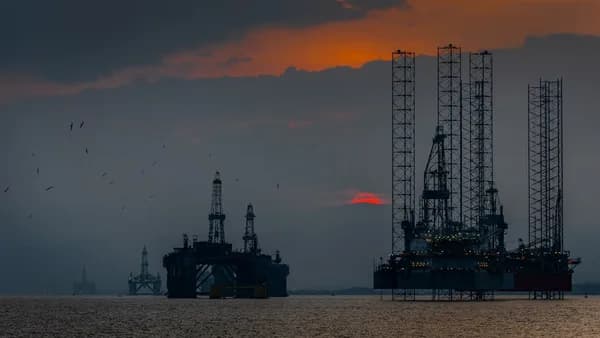
At the heart of the current impasse are two intertwined security dilemmas: the volatile situation in the Strait of Hormuz and the unresolved questions surrounding Iran’s nuclear program. The Strait of Hormuz, a narrow maritime chokepoint through which roughly one-fifth of the world’s oil supply transits, has been a flashpoint for U.S.-Iran tensions. Recent incidents involving the detention of vessels and military posturing by both sides have heightened fears of a wider conflict, complicating efforts to return to the negotiating table [Source: Source].
Concurrently, Iran’s steadily growing nuclear stockpile remains a central concern. Western intelligence agencies and the International Atomic Energy Agency have documented increases in Iran’s enriched uranium reserves, bringing the country closer to potential weapons-grade capabilities. This development has alarmed not only the United States but also regional allies such as Israel and Saudi Arabia, who view a nuclear-armed Iran as an existential threat [Source: Source].
Negotiations are further hampered by fundamentally divergent demands. The United States insists on verifiable limits to Iran’s nuclear activities and broader regional security guarantees, including constraints on ballistic missile development and support for proxy militias. Iran, meanwhile, demands comprehensive sanctions relief and security assurances, as well as recognition of its right to pursue peaceful nuclear technology. Both sides have articulated “red lines” that leave little room for compromise, reinforcing the current stalemate [Source: Source].
Role of Mediators and Diplomatic Channels
In the face of direct U.S.-Iranian deadlock, a network of mediators—including European nations, regional actors like Oman and Qatar, and multilateral organizations—has mobilized to keep diplomatic channels open. These intermediaries are employing shuttle diplomacy, backchannel communications, and confidence-building measures in an effort to bridge the divide [Source: Source]. Their strategies range from proposing phased agreements to facilitating technical talks on nuclear verification and maritime security.
Despite public declarations from Iranian officials that “no more talks are planned with the U.S.,” they have also emphasized that “diplomacy will continue” [Source: Source]. This nuanced posture suggests that while formal negotiations may be on hold, informal contacts and indirect engagement remain possible. Experts like General Petraeus have suggested that the current phase could lead to “extended talks,” given Iran’s track record of protracting negotiations to buy time and create new leverage [Source: Source]. The persistence of mediators underscores a widespread recognition of the stakes involved and the risks of diplomatic failure.
Implications of a Prolonged Deadlock
The consequences of a protracted stalemate are profound and far-reaching. In the Gulf region, persistent tensions heighten the risk of miscalculation or accidental escalation, which could disrupt global oil supplies and trigger broader economic instability [Source: Source]. Such scenarios would not only impact energy-importing nations but also exacerbate humanitarian crises and fuel further polarization in the Middle East.
For the United States, the deadlock complicates its broader foreign policy objectives. Maintaining unity among international partners—particularly in Europe, where there is greater appetite for engagement with Iran—becomes more challenging. The impasse also limits Washington’s ability to address other pressing issues, such as containing Russian and Chinese influence in the region [Source: Source].
Domestically, Iran faces growing economic pressures as sanctions continue to stifle growth and fuel public discontent. Prolonged diplomatic isolation could embolden hardliners, undermining prospects for internal reform and potentially accelerating the country’s nuclear ambitions as a bargaining chip. The longer the stalemate persists, the greater the risk that incremental steps toward weaponization—or an unintended military confrontation—could occur [Source: Source].
Conclusion: Prospects for Future Negotiations and Diplomatic Solutions
The path forward for U.S.-Iran diplomacy is fraught with challenges, but not devoid of opportunities. While entrenched positions and recurring crises have thus far prevented a breakthrough, the continued engagement of mediators and the refusal to “close the door” on talks suggest that space for negotiation remains [Source: Source]. Keeping diplomatic channels open—even during periods of stalemate—is essential for preventing escalation and preserving the possibility of future agreements.
Ultimately, whether a new understanding can be reached will depend on the willingness of both sides to compromise and the ingenuity of mediators in finding mutually acceptable solutions. In the near term, a comprehensive breakthrough may be elusive, but incremental progress and confidence-building steps are both possible and necessary to avert a deeper crisis. The stakes—for regional security, global stability, and the integrity of the non-proliferation regime—could not be higher.