Introduction: Rising Tensions and Diplomatic Efforts Between the U.S. and Iran
Tensions between the United States and Iran have reached new heights, marked by a series of military confrontations and sharply worded diplomatic exchanges. In recent days, President Donald Trump has repeatedly issued threats toward Iran, even as American negotiators prepare for renewed peace talks. This juxtaposition of aggressive rhetoric and diplomatic outreach underscores the complex—and often contradictory—nature of U.S.-Iran relations at this moment. With reports of the U.S. military seizing an Iranian-flagged cargo ship and traffic in the strategic Strait of Hormuz coming to a halt, the stakes are higher than ever for regional stability and international security. Understanding the interplay between these military actions and ongoing negotiations is essential to grasp the broader implications for the Middle East and beyond [Source: Source].
Background: Historical Context of U.S.-Iran Relations and Recent Conflicts
The relationship between the United States and Iran has been fraught for decades. The rupture began in earnest with the 1979 Iranian Revolution and the subsequent hostage crisis, which set the tone for mutual distrust and adversarial policies. Over the years, both countries have engaged in direct and proxy conflicts, most notably during the Iran-Iraq War, as well as through ongoing disputes over Iran’s nuclear program.
Recent years have seen a series of diplomatic efforts, including the 2015 Joint Comprehensive Plan of Action (JCPOA), which aimed to limit Iran's nuclear activities in exchange for sanctions relief. However, the U.S. withdrawal from the JCPOA in 2018 under President Trump reignited hostilities, leading to increased sanctions and a return to confrontational posturing. In response, Iran ramped up its nuclear enrichment and engaged in provocative actions such as attacks on oil tankers in the Gulf of Oman.
Maritime confrontations have become a flashpoint for conflict, particularly in the Strait of Hormuz—a vital corridor for global oil shipments. Both nations have accused each other of hostile actions in the region, including drone strikes, naval skirmishes, and the seizure of vessels. Previous attempts at peace talks have often faltered, with each side blaming the other for breakdowns in communication and violations of agreements. These historical tensions continue to shape the current landscape, influencing both the willingness to negotiate and the readiness for military action [Source: Source].
Current Developments: Military Actions and Diplomatic Moves
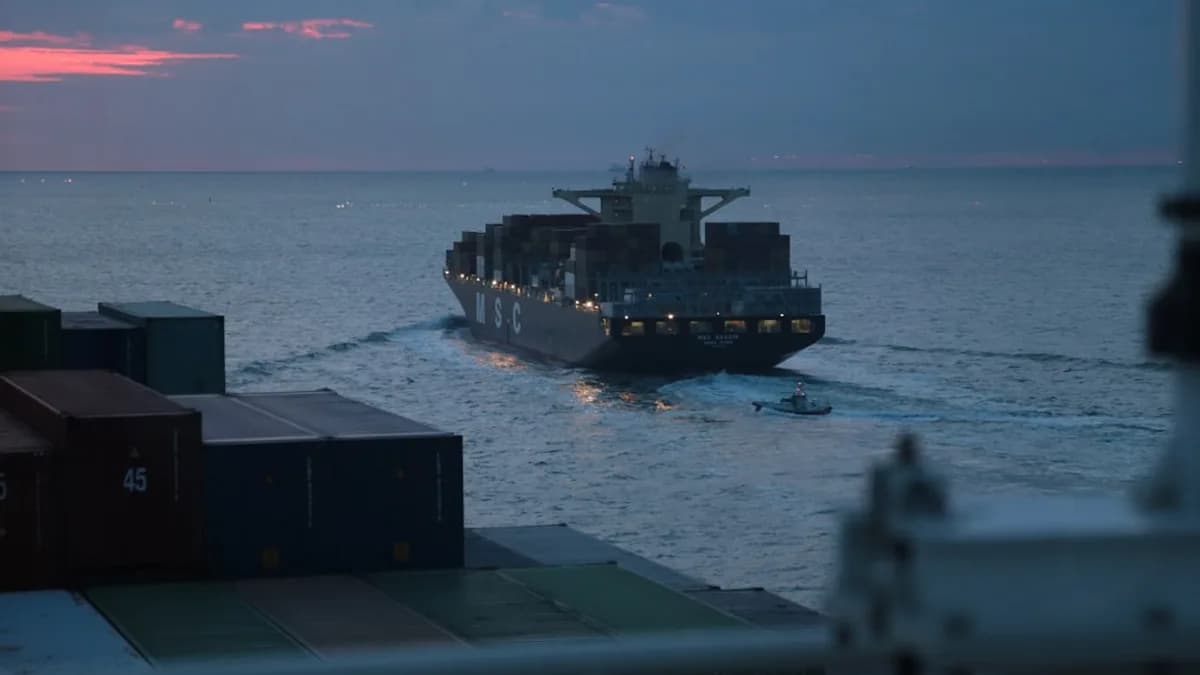
The latest escalation unfolded when the U.S. military reportedly struck and seized an Iranian-flagged cargo ship in the Gulf of Oman. According to President Trump, this action was part of broader efforts to deter Iranian aggression and safeguard maritime interests in the region [Source: Source]. In a series of public statements, the president reiterated threats against Iran, warning of severe consequences should Tehran continue its confrontational behavior.
Simultaneously, Trump announced that a U.S. delegation would travel to Pakistan for peace talks, signaling a willingness to engage diplomatically even as military actions continue. This move comes amid halted traffic in the Strait of Hormuz, a development that has raised concerns about the security of one of the world’s most important oil transit routes [Source: Source]. The disruption has implications not only for regional economies but also for global energy markets.
Iran, for its part, has denied agreeing to any peace talks, casting doubt over the prospects for meaningful negotiations. Tehran has condemned the seizure of its ship, labeling it an act of aggression and asserting its right to defend its interests. Iranian officials have also criticized what they describe as U.S. "provocation," further inflaming tensions. The interplay between these military maneuvers and diplomatic overtures highlights the fragility of the current situation, where every action risks triggering a deeper crisis [Source: Source].
The Peace Talks: Objectives, Challenges, and Stakeholders
As U.S. negotiators prepare for talks in Pakistan, the objectives are multifaceted. From Washington’s perspective, the primary goals are to de-escalate tensions, secure maritime routes, and prevent Iran from advancing its nuclear program. The U.S. seeks to leverage diplomatic channels to achieve security guarantees, while also maintaining pressure through sanctions and military posturing.
However, the path to successful negotiations is riddled with challenges. Mutual distrust runs deep, fueled by decades of antagonism and recent confrontations. The ongoing military actions—such as the seizure of ships—further complicate efforts to build trust and find common ground. Iran’s denial of participation in peace talks raises questions about the effectiveness of U.S. diplomatic outreach and whether Tehran is willing to engage in substantive dialogue [Source: Source].
Pakistan emerges as a critical stakeholder, serving as the host for the talks and potentially as a mediator. Islamabad’s role reflects its unique position in the region, with ties to both the U.S. and Iran. Pakistan's involvement could help facilitate communication and reduce misunderstandings, but it also faces pressure to balance its own strategic interests.
Other regional and international actors are closely watching the developments. Gulf states, European allies, Russia, and China all have stakes in the outcome, given their interests in regional stability, energy security, and geopolitical influence. The peace talks represent a pivotal moment, with the potential to reshape alliances and redefine the contours of Middle East diplomacy [Source: Source].
Implications: What the Outcome Could Mean for Regional Stability and Global Politics
The outcome of the peace talks, and the broader U.S.-Iran confrontation, is likely to have far-reaching consequences. If negotiations succeed and tensions de-escalate, there could be a restoration of stability in the Gulf, reopening critical trade routes and easing pressure on global oil markets. Such a scenario might enable renewed international cooperation on nuclear issues and pave the way for broader diplomatic engagement.
Conversely, if talks fail or military actions escalate, the risk of direct conflict increases. Continued disruption in the Strait of Hormuz could lead to higher oil prices, supply chain interruptions, and economic uncertainty worldwide. Regional actors may be drawn deeper into the conflict, with proxy wars and alliances shifting in response to new realities [Source: Source].
For U.S. foreign policy, the stakes are significant. Success could bolster Washington’s credibility as a diplomatic leader, while failure may undermine its influence and embolden adversaries. The broader implications extend to the Middle East, where alliances and rivalries are constantly in flux. Civilian populations are also at risk, facing the threat of violence, displacement, and humanitarian crises should hostilities intensify.
Ultimately, the trajectory of U.S.-Iran relations will shape not only the immediate region but also the global order. The peace talks represent a critical opportunity to break the cycle of confrontation and forge a path toward stability. Yet, the challenges are formidable, and the stakes could not be higher [Source: Source].
Conclusion: Navigating a Complex Path Toward Peace
The current moment in U.S.-Iran relations is defined by a delicate balance between military actions and diplomatic efforts. As negotiators prepare for peace talks amid escalating threats and maritime confrontations, the world watches with apprehension and hope. The potential to de-escalate tensions and restore stability hinges on the willingness of both sides to engage constructively, despite deep-seated distrust and ongoing provocations. Monitoring the outcome of these talks is crucial, as it will determine not only the future of U.S.-Iran relations but also the broader trajectory of regional and global security. Navigating this complex path toward peace will require patience, pragmatism, and a commitment to dialogue in the face of formidable challenges [Source: Source].