Introduction to the Middle East Crisis: US-Iran Blockade Stalemate and Regional Tensions
A fierce standoff between the US and Iran at the Strait of Hormuz is holding up oil tankers and raising fears around the world. Three ships were recently attacked, and talks between Tehran and Washington have stalled. This comes as Israel killed a Lebanese journalist, adding to the chaos [Source: Google News]. The crisis is pushing global leaders to pay attention because the Strait of Hormuz is like a busy hallway for oil shipments. With both sides refusing to back down, the risk of a bigger conflict hangs over the region. Countries in Europe and the Middle East are feeling the pressure as their economies and security depend on what happens next.
Understanding the Strait of Hormuz: Strategic Importance and Recent Incidents
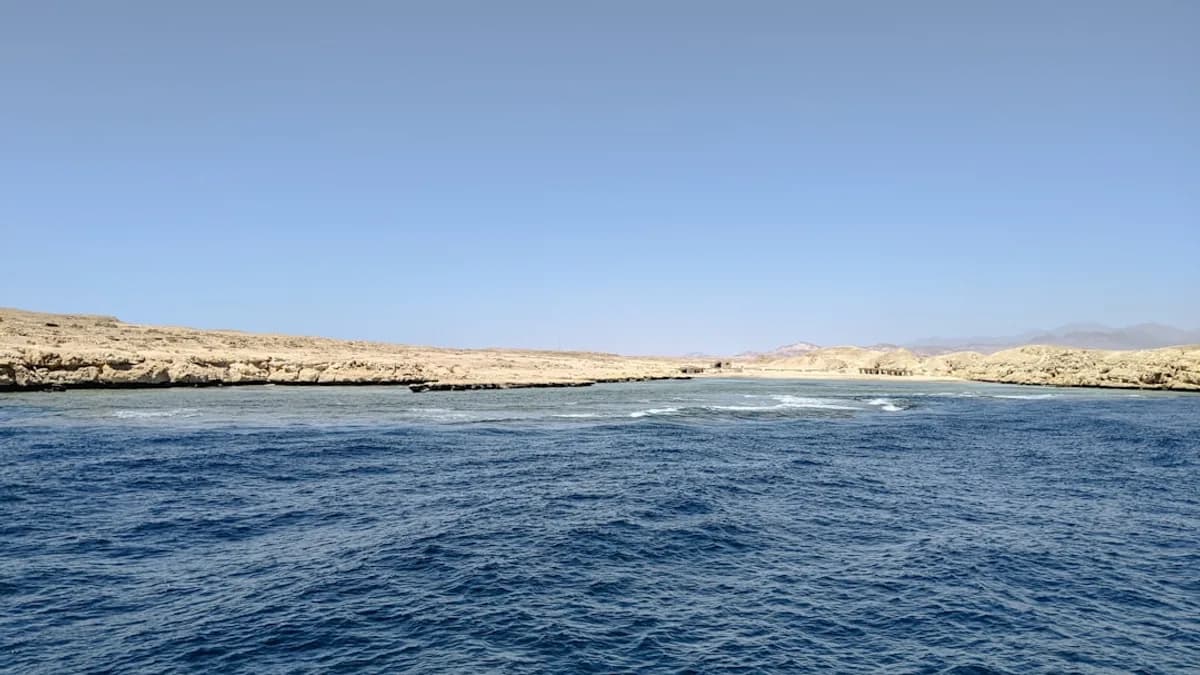
Think of the Strait of Hormuz as a narrow bridge connecting the Persian Gulf to the open ocean. It is only about 21 miles wide at its narrowest point, but nearly a third of all the world’s oil travels through it every day. That means if something goes wrong there, fuel prices everywhere can spike fast.
This week, three ships were attacked while trying to pass through the strait. Two of them were escorted to the Iranian coast, raising alarms for shipping companies and insurance firms [Source: Google News]. Attacks like these aren’t just scary for people working on the ships. They make big companies nervous and can cause oil prices to jump overnight. The US and Iran are both sending warships to patrol the area, but neither wants to blink first in the blockade stalemate.
Shipping lines that usually pass through the Strait of Hormuz are now looking for other routes, but the options are limited. Rerouting means longer trips, more fuel, and higher costs. Some companies are holding back shipments, waiting for things to calm down. The global energy market is feeling the squeeze. When oil can’t get where it needs to go, factories and gas stations everywhere pay more. The blockade is also affecting countries like India, China, and Japan, which buy a lot of oil from the Gulf.
The strait has been a hotspot before. In the late 1980s, during the “Tanker War,” ships were attacked, and oil prices soared. Today’s stalemate feels similar, but with more advanced weapons and faster news spreading worldwide. The impact is bigger and faster. With every new attack, traders and governments watch closely, knowing the next move could change the price of oil and the stability of the region.
The US and Iran Standoff: Causes, Positions, and Diplomatic Deadlock
The US and Iran have been at odds for years. Their relationship got worse after the US pulled out of the Iran nuclear deal in 2018. Since then, tough sanctions and threats have pushed the two countries further apart. Now, with the blockade at the Strait of Hormuz, tensions are at their highest in years.
The US wants Iran to stop supporting groups like Hezbollah and to promise not to build nuclear weapons. Iran says it will only talk if the US lifts sanctions and leaves its warships out of Iranian waters. These demands are far apart, and neither side is willing to give in. Talks have started and stopped several times, but every time, new attacks or harsh words from leaders make talks harder [Source: Google News].
Both countries are worried about losing face. If the US backs down, its allies in the Middle East might feel less safe. If Iran gives in, it could look weak at home and abroad. The deadlock means ships are stuck, and threats keep flying. Diplomats from Europe and the United Nations have tried to help, but so far, nothing has worked.
This standoff isn’t just about oil or ships. It’s about power in the Middle East. Iran wants to show it can stand up to the US and protect its interests. The US wants to keep the strait open for business and stop Iran from gaining more influence. Every day the talks stay frozen, the risk of a bigger fight grows.
History shows that deadlocks like this can last months or even years. During the Iran-Iraq war in the 1980s, it took international teamwork to calm things down. Today, the stakes are higher because more countries depend on Gulf oil, and weapons are more advanced. If the talks keep failing, experts warn that one wrong move could lead to a wider conflict.
Regional Impact: Erdogan’s Perspective on the War’s Effect on Europe and Middle East Stability
Turkey’s President Erdogan says the war is “starting to weaken Europe.” He worries that the crisis will hurt European countries by making energy prices jump and by adding new security threats [Source: Google News]. Europe gets much of its oil from the Gulf, so any trouble in the Strait of Hormuz hits hard.
As the conflict drags on, alliances in the Middle East are shifting. Countries like Saudi Arabia, Turkey, and Israel are watching closely, trying to protect their own interests. Some are sending more troops or holding special talks. Others are quietly hoping the crisis will pass without spreading.
For Europe, the crisis comes at a tough time. Many countries are still dealing with inflation and energy shortages from other conflicts. If oil stops flowing, factories could slow down, and families might pay more to heat their homes. Security experts warn that if fighting spreads, Europe could see new waves of refugees and more risks from terror groups.
Broader Implications: What the Crisis Means for Global Security and Energy Markets
The world is holding its breath. If the blockade lasts, oil supplies could drop sharply, and prices could surge. We’ve seen this before. In 1973, the oil embargo caused prices to quadruple and sparked panic in many countries. Today, the global economy is even more tied to oil. Airlines, factories, and drivers everywhere could feel the pain.
Energy traders are already betting that prices will rise. Some oil contracts have jumped by 10% in just a week [Source: Google News]. That makes everything from airplane tickets to groceries more expensive. Countries that rely on cheap oil, like India and China, might have to pay more or look for new suppliers. At the same time, oil producers outside the Gulf, like the US and Brazil, could benefit if their oil becomes more valuable.
The risk isn’t just higher prices. If the US and Iran go from words to weapons, the conflict could pull in other countries. Israel, Saudi Arabia, and Turkey have strong armies and interests in the region. Russia and China are also watching, ready to step in if it helps their own goals. The danger is that a small fight could turn into a bigger war.
International actors like the United Nations, the European Union, and the Gulf Cooperation Council are calling for calm. They want both sides to talk and avoid mistakes. Some suggest creating a neutral patrol force to keep the strait safe. Others say only strong diplomacy will work. But with trust low and nerves high, finding a solution is tough.
Experts say the best chance is for both sides to make small moves—like allowing some ships through or pausing military drills—to show they want peace. If that happens, markets can breathe easier, and people can hope for calm. If not, the crisis could drag on, hurting economies and making the world less safe.
Conclusion: Navigating the Middle East Crisis Amidst Uncertainty
The blockade stalemate in the Strait of Hormuz shows how fragile the world’s energy and security systems are. Both the US and Iran refuse to step back, and each new attack or tough word makes talks harder. Europe and the Middle East are caught in the middle, facing higher prices and new risks.
Renewed diplomatic efforts are needed to break the deadlock. Without talks, the chance of a wider conflict grows. Leaders, companies, and regular people should watch for signs of movement—like new talks, changes in oil shipments, or shifts in alliances. The next few weeks will be key. If the crisis calms, markets and security may improve. If not, the world could face another rough chapter in Middle East history.
Why It Matters
- The US-Iran blockade at the Strait of Hormuz threatens the flow of nearly a third of global oil shipments.
- Escalating tensions and recent attacks on ships are causing uncertainty in energy markets and could lead to rising fuel prices worldwide.
- European and Middle Eastern economies face increased risks to their security and stability due to the ongoing crisis.