Introduction: Understanding the US Interception of Iranian Oil Tankers in Asian Waters
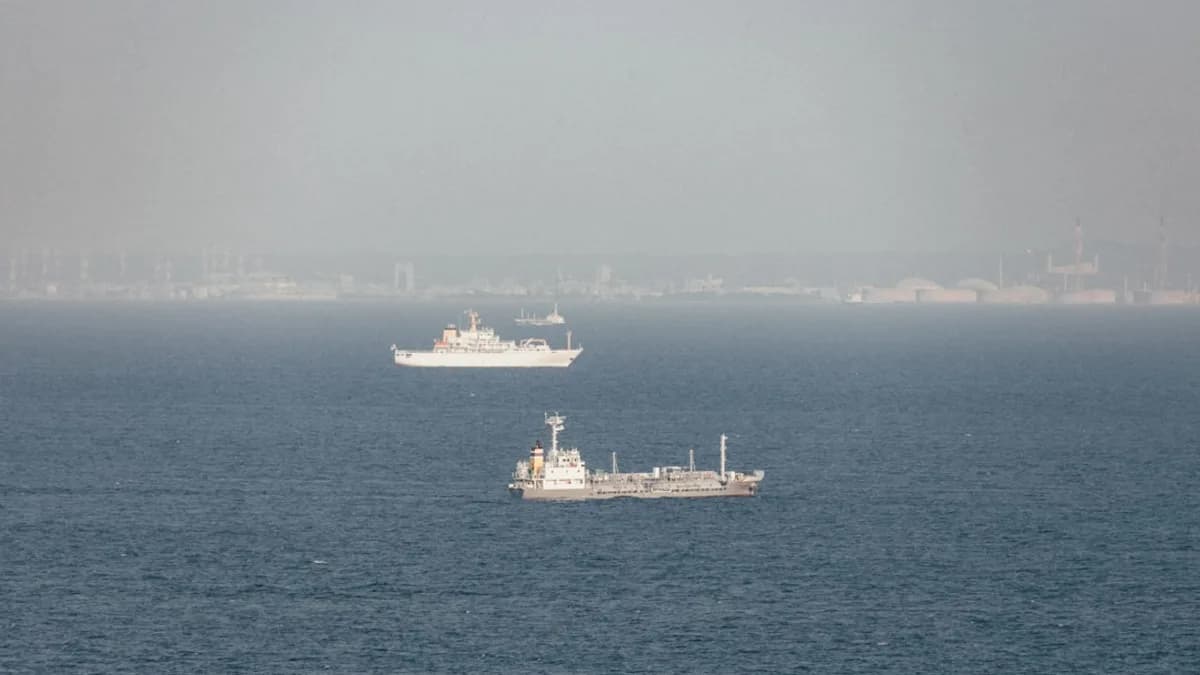
US forces stopped three Iranian oil tankers in Asian waters, sources say [Source: Google News]. This action stretches the US-Iran conflict into the Indo-Pacific, far from the usual Middle East showdown. These interceptions matter because they show the US is willing to act in new regions to enforce sanctions on Iran’s oil exports.
Why is this happening? Iran keeps selling oil to countries like China, even though US sanctions try to block these deals [Source: Google News]. The US wants to cut Iran’s funding, but Iran finds ways to move oil by sea. Now, the Indo-Pacific is becoming a new battleground.
This guide will show you how to track these tankers, understand the laws behind such actions, analyze their impact, and prepare for future risks. Whether you work in shipping, energy, or government, knowing how to spot and respond to these events can help you stay ahead.
How to Monitor and Track Sanctioned Oil Tankers in International Waters
To follow sanctioned oil tankers, you need the right tools. Ships use a system called AIS (Automatic Identification System) to send out their location, speed, and other details. Many tankers switch off AIS to hide their movements. This is a red flag.
Websites like MarineTraffic, VesselFinder, and FleetMon let you see ship data in real time. Some are free, others cost money. You can search for tankers by name, IMO number, or flag. If a tanker suddenly disappears from the map, starts zigzagging, or changes its name, it could be trying to dodge sanctions.
Satellite images add another layer. Companies like Planet Labs and Spire track ships using pictures and radio signals. Look for tankers moving between Iran, Singapore, Malaysia, and China. These routes often see sanctioned oil shipments.
Sometimes, tankers do “ship-to-ship transfers.” This means oil is moved from one ship to another at sea. Watch for tankers meeting up in open water, then splitting off. This trick helps hide the oil’s origin. Some ships also change their flags or paperwork mid-trip. If a ship’s documents don’t match its history, that’s a clue.
Public records from the UN or US Treasury list sanctioned ships. Cross-check these lists with tracking tools. If a ship shows up on both, it’s likely under watch. News outlets and maritime blogs, like Lloyd’s List and TankerTrackers, often report on suspicious movements.
Learning to read maritime data takes practice. Look for gaps in AIS signals, odd routes, and sudden stops. Compare the ship’s stated cargo with its history. If a tanker claims to hold crude oil but has sailed from Iran’s Kharg Island, that’s another hint.
By using AIS, satellites, public databases, and news, you can spot sanctioned tankers and follow their journeys. Staying alert to these signs helps you act fast if you see risky activity.
How to Understand the Legal and Diplomatic Framework Governing Interceptions at Sea
International law sets the rules for ships at sea. The main law is the United Nations Convention on the Law of the Sea (UNCLOS). It says ships have the right to travel freely in international waters. But if a ship breaks sanctions, things get tricky.
The US can stop and board ships if it has legal grounds. Usually, this means the ship is on a sanctions list or linked to banned trade. US law lets its forces act against ships carrying Iranian oil, especially if the ship belongs to a US company or is bound for US ports. But when ships are flagged by other countries, like Panama or Liberia, the US needs permission or strong evidence.
Boarding a ship without the flag country’s OK can spark protests. Countries get upset when their ships are stopped, even if they break rules. This can lead to diplomatic fights. Iran often says US actions are illegal and threatens to respond.
Sometimes, the US acts with allies through groups like the Proliferation Security Initiative (PSI). This lets countries share info and act together. But stopping ships in international waters is risky. It can upset trade partners and raise tensions.
Sanctions are enforced by agencies like the US Treasury’s Office of Foreign Assets Control (OFAC). They list banned ships and companies. If a ship is caught, it can be seized and its crew arrested. Legal battles follow, often in US courts.
Diplomats try to balance enforcement with keeping peace. If the US stops too many ships, it can anger China, India, or Malaysia. These countries buy Iranian oil and don’t always agree with US sanctions. Each interception can lead to talks, threats, or even military moves.
Understanding these laws helps you know what’s allowed and what’s risky. Companies and governments must check ship paperwork, follow sanction lists, and stay ready for legal fights if their ships are stopped.
How to Analyze the Strategic Impact of US Operations Against Iranian Oil Shipments
US actions against Iranian oil tankers affect more than just the ships involved. They change the balance between countries in the Indo-Pacific and shake up global oil markets.
US-Iran tensions are rising. By stopping tankers in Asian waters, the US sends a message: sanctions apply everywhere, not just in the Persian Gulf [Source: Google News]. Iran may try to fight back, threaten US ships, or use proxies to make trouble in the region.
China is a big player. It buys lots of Iranian oil, even with sanctions in place [Source: Google News]. If US forces block these shipments, China might protest or find new ways to get oil. This could lead to trade disputes or push China to support Iran more.
Oil markets feel the impact. When tankers are stopped, less Iranian oil reaches buyers. This can push prices up, especially if other sources are tight. In 2023, Iran exported about 1.5 million barrels of oil per day, most of it to Asia. If even a few shipments are blocked, buyers scramble for replacements, and prices can spike [Source: Reuters].
Supply chains get tangled. Shipowners worry about their tankers being seized. Insurance costs rise. Ports may delay ships if they suspect cargo is sanctioned. Companies that buy or sell oil must check sources carefully, or risk fines.
These moves also affect geopolitics. The Indo-Pacific is home to big economies and major sea routes. US actions could draw in allies like Australia, Japan, or India. They may join US efforts, or stay out to avoid trouble. Iran could work with Russia or China to push back.
Military risks grow. If Iran or China reacts, the region could see more patrols, standoffs, or even clashes at sea. The Strait of Malacca, the South China Sea, and other busy routes could become hotspots.
For analysts, tracking these shifts is key. Look at oil price trends, shipping delays, and diplomatic statements. Watch for new alliances or military drills. Each interception is more than a single event—it’s part of a bigger struggle for control, money, and power.
How to Prepare for and Respond to Escalations in Maritime Security Tensions
If you run a shipping or energy company, these risks matter. Tanker seizures can cost millions and disrupt supply chains. Here’s how to prepare.
First, do a risk assessment. Check your ships’ routes, cargo, and paperwork. Make sure you know if any part of your business touches sanctioned countries or companies. Update your insurance to cover seizure or delay risks.
Train your crews for crisis management. If a ship is stopped, have a plan: contact lawyers, report to headquarters, and follow safety steps. Keep communication open with your team and government contacts. Quick, clear action can stop problems from spreading.
Monitor maritime news and sanction lists daily. Use tracking tools to follow your ships and spot trouble early. Set alerts for sudden route changes or AIS signal gaps.
Work with policymakers to balance enforcement and peace. Governments should talk to allies before acting, share intel, and avoid moves that spark bigger fights. Open lines to shipping associations and port authorities. This helps keep trade moving, even during tense times.
If you’re a policymaker, weigh the costs of enforcement against diplomatic fallout. Tough action can work, but too many seizures can hurt trade and lead to retaliation. Try to use targeted sanctions, clear rules, and regular talks with affected countries.
For all stakeholders, staying alert and ready is key. Review your emergency plans, train staff, and build contacts with legal and diplomatic experts. Fast response and open communication can limit damage and help you recover if things go wrong.
Conclusion: Navigating the Complexities of Maritime Sanctions Enforcement in the Indo-Pacific
US interceptions of Iranian oil tankers in Asian waters show how fast maritime security is changing [Source: Google News]. Stakeholders must track ships closely, follow legal rules, and stay flexible as tensions rise.
The key takeaways: use smart tools to spot risky tankers, understand the legal risks, and plan for fast response if trouble hits. Oil markets, supply chains, and politics all feel the impact.
As US-Iran confrontations spill into the Indo-Pacific, the region faces new risks—and new chances to shape security. Staying vigilant, informed, and ready for change will help you handle whatever comes next.
Why It Matters
- US interception of Iranian oil tankers signals expanding enforcement of sanctions beyond the Middle East.
- The incident highlights the growing importance of Indo-Pacific waters in global energy and geopolitical tensions.
- Tracking and monitoring sanctioned oil shipments is crucial for shipping, energy, and government stakeholders to anticipate risks.