Introduction: Overview of the White House Ballroom Construction Controversy
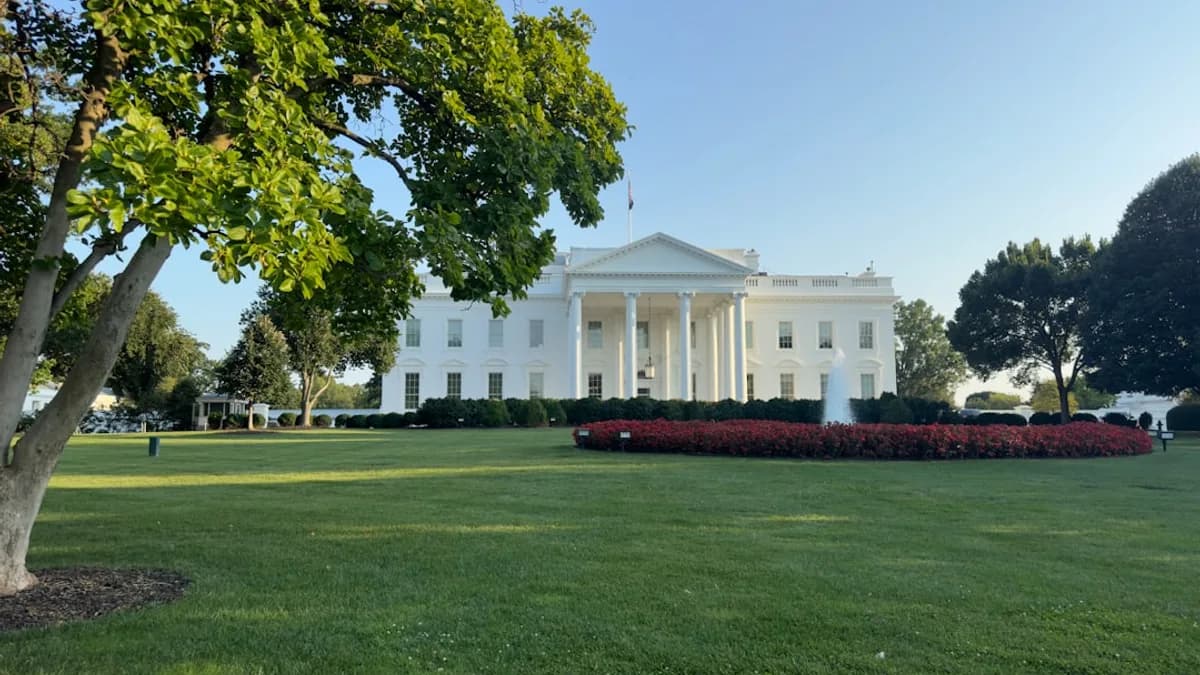
The construction of a new White House ballroom, initiated during the Trump administration, has sparked a protracted legal and political controversy. Originally touted as a modernization effort with potential national security benefits, the project quickly became a flashpoint for debates over executive power, transparency, and the appropriate use of government resources. Recent court rulings have allowed construction to continue, despite ongoing objections and scrutiny from watchdogs and political opponents [Source: Source]. Central to the dispute are the administration’s claims that the ballroom is a necessary component of national security infrastructure—a position repeatedly challenged by both judicial authorities and public commentators. As the legal battles continue, the ballroom project raises fundamental questions about the boundaries of executive authority and the proper oversight of high-profile government construction initiatives.
Legal Challenges and Court Decisions Surrounding the Ballroom Construction
From its inception, the White House ballroom project has encountered numerous legal hurdles. Critics have argued that the construction lacked sufficient congressional oversight and transparency, questioning both its necessity and the allocation of taxpayer funds. Several lawsuits were filed, alleging that the project circumvented established procedures for government renovations, and demanding greater justification for such a large-scale addition to the historic presidential residence [Source: Source].
A pivotal moment came when a federal judge ruled that former President Trump could not claim the entire ballroom project was needed for national security purposes. This ruling reflected skepticism about the breadth of the administration’s justification, emphasizing that while certain aspects of White House infrastructure may be critical for security, the construction of a ballroom—especially one designed for social and ceremonial functions—does not automatically meet the threshold for national security exemption [Source: CNN]. The judge’s decision underscored the importance of distinguishing between genuine security needs and projects that may serve broader or less urgent purposes.
Despite this judicial pushback, an appeals court subsequently allowed construction to proceed temporarily, citing procedural considerations and the absence of immediate harm from continuing work [Source: The New York Times]. The appeals court’s decision did not endorse the administration’s security rationale outright, but rather acknowledged the complexity of the case and the need for further legal review. This sequence of rulings highlights the delicate balance between executive discretion and judicial oversight, as courts grapple with how much latitude presidents should have in pursuing controversial projects.
Legally, the case sets a significant precedent for future executive actions. The courts have signaled that national security claims must be substantiated and cannot be used as a blanket justification for government projects. At the same time, the temporary allowance of construction underscores the challenges in halting projects already underway, especially those tied to the executive branch. The outcome may shape how future administrations approach large-scale renovations and the legal processes required for approval.
National Security Claims and the Reality of the Military Complex Beneath the White House
The Trump administration has steadfastly maintained that the ballroom—and related construction—is essential for national security. The official justification centers on the need for modernized facilities that can accommodate secure events, communications, and emergency operations. According to reports, the project is linked to the expansion of a “massive” military complex being built beneath the White House, purportedly designed to enhance the government’s ability to respond to threats and crises [Source: Time Magazine].
However, transparency around these security claims has been limited. Few concrete details have been released about the scope and function of the subterranean complex, fueling speculation and skepticism among experts and the public. Some security analysts argue that while upgrading White House infrastructure is prudent, the addition of a ballroom—rather than purely technical or operational spaces—raises questions about priorities and necessity. “There is a legitimate case for modernization, but the ballroom’s utility for national security remains unclear,” noted one former government official [Source: CBS News].
The lack of public information has also complicated oversight efforts. While certain aspects of White House security are understandably classified, critics contend that the administration’s broad claims have been insufficiently supported by evidence. Congressional leaders have requested greater disclosure, seeking to distinguish between essential upgrades and projects that might be driven by prestige or political motives. The case illustrates the tension between maintaining operational secrecy and ensuring accountability for taxpayer-funded initiatives.
Ultimately, the credibility of the national security rationale hinges on whether the ballroom is integrated into a larger, demonstrably necessary security infrastructure. If the space serves as a hub for emergency operations or secure communications, its construction may be justified. But if it is primarily intended for ceremonial purposes, the administration’s claims appear overstated. The ongoing legal and public scrutiny reflects broader concerns about how national security is invoked to justify controversial projects.
Political and Public Implications of the Ballroom Construction Project
The White House ballroom controversy is emblematic of deeper political divisions and debates over executive authority. Critics argue that the project, and the Trump administration’s handling of legal challenges, exemplify a pattern of overreach and insufficient transparency. Supporters, meanwhile, maintain that the president should have wide latitude to modernize and secure the executive residence as he sees fit.
Media coverage of the construction and court rulings has been intense and varied, with outlets highlighting both the opulence and the potential security implications of the project [Source: Source]. Public perception is similarly divided: some view the ballroom as an unnecessary extravagance, while others believe it reflects prudent investment in the nation’s leadership infrastructure. The controversy has fueled broader discussions about the use of national security as a political tool, especially in the context of executive branch renovations.
For the Trump administration, the outcome of the legal battles may influence its legacy, particularly in the realm of executive power. The episode raises questions about how presidents can leverage national security claims to advance projects that are otherwise contentious or expensive. If the courts ultimately limit such justifications, future administrations may face stricter standards for renovation and construction at the White House and other government facilities.
The case also has implications for future White House renovations. It highlights the need for clear procedures and oversight mechanisms, ensuring that major projects are both justified and transparent. The ballroom controversy may prompt Congress and watchdog groups to push for reforms, requiring greater disclosure and approval for high-profile government construction. As such, the dispute is not only about a single project, but about the broader rules governing presidential authority and accountability.
Conclusion: Balancing Security, Transparency, and Legal Oversight in White House Projects
The ongoing controversy over the White House ballroom construction, and the courts’ response to the Trump administration’s national security claims, underscores the importance of balancing executive discretion with judicial oversight. While modernization and security upgrades are vital, they must be accompanied by transparency and accountability to maintain public trust [Source: Source]. The legal rulings in this case reinforce the principle that security justifications must be substantiated, not used as catch-all exemptions for government projects. Moving forward, this episode may influence policy and legal standards for White House renovations, encouraging greater scrutiny and open dialogue about the intersection of security, politics, and public spending.