Introduction: Contextualizing the Pope-Trump Dispute Amid Iran War Tensions
The simmering dispute between Pope Leo and former President Donald Trump has captured global attention as tensions escalate around the Iran war. Recent public exchanges between the two leaders have not only highlighted their ideological differences but have also underscored the complex intersection of religion and politics at a time of international crisis. Pope Leo’s remarks about the world being “ravaged by a handful of tyrants” triggered speculation and debate, particularly among Trump supporters, who have voiced strong opinions about the Pope’s involvement in geopolitical matters [Source: Source]. The polarized reactions reflect a broader divide over the appropriate role of religious figures in political discourse, especially when the stakes involve war and peace on a global scale.
The Pope’s Statements and Their Intended Message
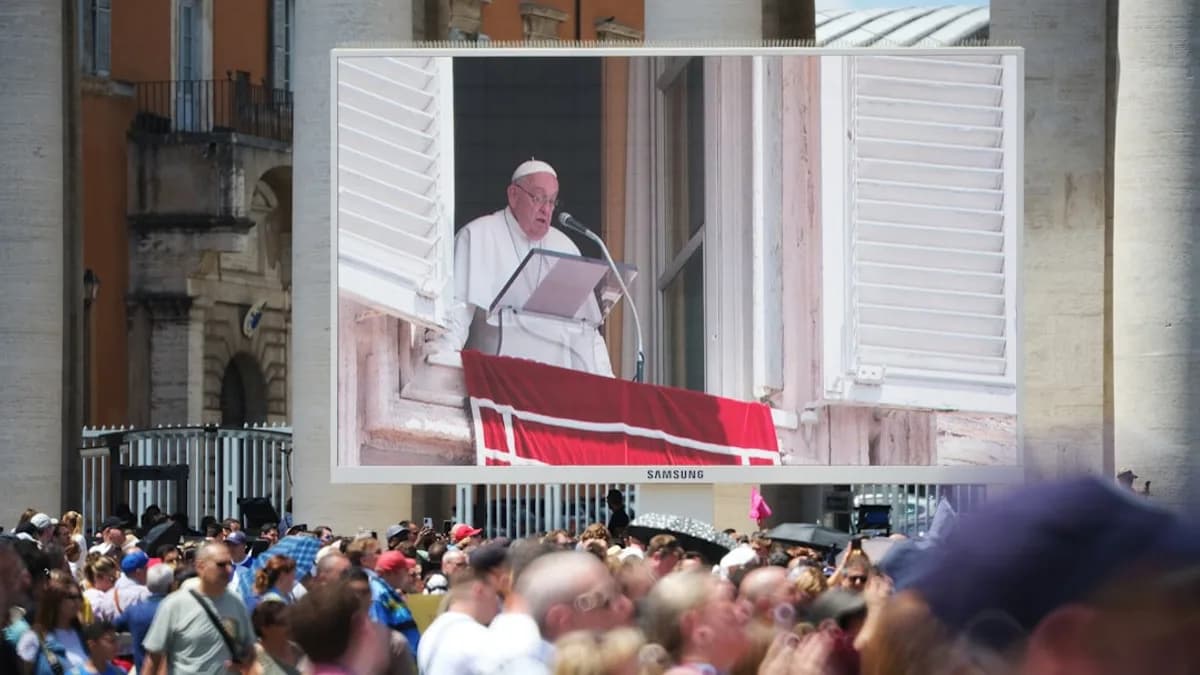
Pope Leo’s recent comments, which lamented a world “ravaged by a handful of tyrants,” were widely interpreted as a critique of certain political leaders. However, the Vatican later clarified that these statements were not directed at Trump specifically, seeking to diffuse speculation and maintain the Pope’s traditional stance of political neutrality [Source: Fox News]. The Pope’s position as a global moral and spiritual leader lends weight to his remarks in times of conflict, and his statements often resonate beyond the boundaries of the Catholic Church.
Historically, popes have both engaged in and abstained from direct political debates, especially regarding matters of war. Pope Leo’s approach appears to follow a long-standing pattern: offering broad moral guidance rather than explicit political endorsements or condemnations. This is consistent with the papacy’s role as a voice for peace and human rights, advocating for diplomatic solutions and humanitarian values in international affairs [Source: USA Today]. While the Pope’s intent may have been to call for unity and compassion in the face of global turmoil, his words nonetheless sparked controversy, illustrating the challenge of balancing spiritual leadership with the realities of political tension.
Trump’s Response and the Ongoing Feud
Trump’s reaction to Pope Leo’s remarks was swift and direct, fueling an ongoing public feud between the two figures. As reported, Trump took offense at the perceived criticism and responded by questioning the Pope’s authority to comment on political affairs, particularly those relating to the Iran war [Source: Source]. This exchange has become emblematic of a broader struggle between secular and spiritual leadership in the public sphere.
Among Trump’s supporters, there is a strong sentiment that the Pope’s involvement in political matters is unwelcome. Many view his comments as an intrusion into national sovereignty and argue that religious leaders should refrain from influencing foreign policy debates. This perspective was echoed by Senator J.D. Vance, who expressed gratitude for Pope Leo’s clarified stance on avoiding direct public debate with Trump. Vance’s acknowledgment suggests a desire among Trump allies for clear boundaries between religious and political discourse [Source: The Hill].
The feud has persisted in the media spotlight, with both sides leveraging their platforms to advance their respective narratives. Trump’s camp continues to emphasize the importance of national independence in shaping foreign policy, while the Vatican reiterates its commitment to promoting peace and dialogue without endorsing specific political positions.
Trump Voters’ Perspective: ‘Stay in His Lane’
For many Trump voters, the Pope’s recent statements on the Iran war have reinforced their belief that religious figures should “stay in their lane.” This sentiment is rooted in the broader American tradition of separating church and state, as well as a cultural skepticism toward foreign influence in domestic affairs [Source: Source]. Trump supporters argue that the Pope’s intervention risks undermining national interests and could complicate efforts to address the Iran conflict on American terms.
Culturally, this viewpoint reflects a preference for political leaders who champion American values and prioritize national security. Many Trump voters see the Pope’s role as primarily spiritual, and they regard his foray into political commentary as inappropriate or even counterproductive. This attitude is not new; past controversies have emerged when religious leaders commented on issues such as immigration, climate change, or economic policy.
Politically, the implication is clear: there is a strong desire among portions of the electorate to limit the influence of external moral authorities on U.S. policy decisions. This stance has significant ramifications for the intersection of religion and politics in America, raising questions about the boundaries of advocacy and the role of faith in public life. As the Iran war debate continues, the conversation about the Pope’s involvement is likely to remain a flashpoint in national discourse.
Media and Public Reaction: From Stephen Colbert to USA Today
The media has played a central role in shaping public perceptions of the Pope-Trump feud. Outlets ranging from NBC News to USA Today have provided both serious analysis and satirical commentary on the unfolding drama [Source: Source]. Late-night host Stephen Colbert, for example, has delighted in the spectacle, framing the dispute as an “ongoing papal feud” and using humor to highlight the absurdities of political and religious posturing [Source: The New York Times].
Serious news coverage, meanwhile, has explored the deeper implications of the conflict, with USA Today drawing parallels between the Pope and President Trump, and examining the broader parable of spiritual versus secular authority. These narratives influence how the public interprets the feud, often reinforcing existing biases and shaping the national conversation about the Iran war.
Media framing is critical: positive or negative portrayals of either figure can sway public opinion and amplify the significance of their statements. The coverage of this dispute has made it a touchstone for debates about the role of religion in politics, international diplomacy, and the balance of power between moral and political authority.
Conclusion: The Broader Significance of the Pope-Trump Exchange
The dispute between Pope Leo and Donald Trump offers a window into the challenges faced by religious leaders who engage with political conflicts. It illustrates the delicate balance between spiritual leadership and political neutrality, especially during times of war and international crisis. While the Pope’s intent may have been to promote peace and unity, the polarized reactions among Trump voters and the broader public reveal deep-seated tensions about the influence of religion in political discourse [Source: Source].
Ultimately, such public feuds have the potential to impact both international diplomacy and domestic politics, shaping the ways in which leaders communicate and collaborate on global challenges. As the Iran war continues to dominate headlines, the Pope-Trump exchange serves as a reminder of the enduring complexities at the intersection of faith, power, and policy.