Introduction: Trump’s Diplomatic Approach Amid Iran Tensions
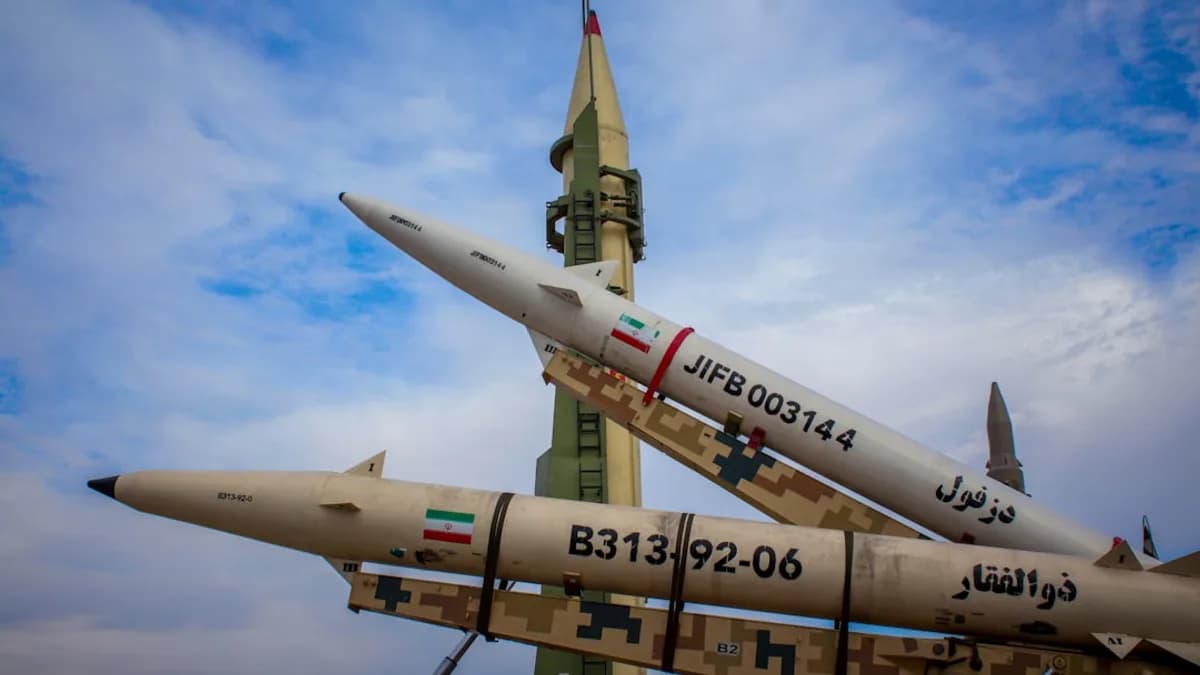
Former President Donald Trump says the United States has enough missiles, even as worries about US military stockpiles grow during tensions with Iran. He’s choosing to talk instead of fight. This shift comes as Washington and Tehran both pull back from direct conflict. Trump’s focus on diplomacy, not new strikes, could help calm nerves in the Middle East—and even cool down global markets that get jittery when things heat up in the region. With oil prices and investor confidence closely tied to stability there, his words matter not just for politicians, but for people everywhere who feel the ripple effects of tension or peace. Trump’s message is clear: the US is ready, but prefers to avoid war [Source: CryptoBriefing].
Current Status of US-Iran Relations and Missile Inventory Concerns
US-Iran relations have been tense for years, but the past few weeks brought a small break in the storm. Rumors and reports about low US missile stocks started after the US launched strikes in response to Iranian-backed attacks. Some military experts warned the US might run short if a bigger fight broke out. These worries come as the US has sent lots of weapons to help Ukraine and Israel in their own conflicts, stretching supplies thin.
Trump, though, does not seem worried. He says the US still has enough missiles to keep the country safe. He called the concerns “overblown,” saying the US always keeps enough in reserve for emergencies. Trump also stressed that the real prize is to avoid using missiles at all. He pointed out that talking and making deals can solve more problems than bombs and rockets.
The missile supply issue is not new. Past presidents have faced the same challenge: how to balance helping allies with keeping America secure. During the Cold War, the US spent billions to stay ahead on missiles and tech, but also tried to keep the peace through talks. Now, with more countries in the mix and more conflicts popping up, keeping enough missiles ready—while not starting new wars—takes careful planning.
For Iran, the main message from Trump is that the US is not looking to start something bigger. By downplaying missile shortages, he signals that the US is not eager for a fight, which can help both sides step back from the edge.
Impact of De-escalation on Global Geopolitical Stability
When the US and Iran step back from a fight, the whole Middle East breathes a little easier. This region holds much of the world’s oil and is home to old rivalries that can quickly turn into wars. If the US and Iran start shooting, allies like Saudi Arabia, Israel, and others could get pulled in fast.
Lowering the temperature also means that countries working with the US—like those in NATO or the Gulf—feel less pressure to pick sides. This gives diplomats more time and space to talk, rather than rush into military plans. When countries see the US choosing talks over missiles, it sets the tone for others to follow. It shows that you can be strong without starting a fight.
De-escalation does not solve every problem. Iran and the US still disagree on many issues, from nuclear programs to support for different groups in the region. But every day without new attacks is a good day for peace. History shows that when the US and Iran keep lines of communication open, fewer people get hurt and there’s more hope for long-term deals—like the nuclear agreement reached in 2015.
Diplomacy has its own risks, but the cost of war is almost always higher. By focusing on talks, both sides buy time to work out their differences and avoid dragging others into their fight.
Economic Implications: Oil Prices and Market Volatility
When rockets fly in the Middle East, oil prices usually jump—sometimes by several dollars in just hours. That’s because the world relies on oil shipped through the Persian Gulf. Even a hint of trouble can make traders nervous, leading them to buy up oil “just in case.” This can quickly push up costs for gasoline, heating, and travel across the globe.
Recent tensions between the US and Iran have already made oil markets twitchy. But as both sides choose to talk instead of fight, prices have started to settle. Investors like stability. When they see less risk of a new war, they feel better putting money into energy, shipping, airlines, and other sectors that get hit hard by high oil costs.
Lower tension also helps countries that buy most of their oil, like China, Japan, India, and European nations. Their companies spend less on fuel, which can help lower inflation and boost growth. Even in the US, where oil production is high, stable prices mean lower costs for families and businesses.
If this calm holds, it could mean more steady growth for the world economy. Sharp spikes in oil prices can cause recessions, as seen in the 1970s and after the 2003 Iraq invasion. By keeping things cool with Iran, the US helps avoid these shocks.
For investors, this means less wild market swings. For everyday people, it means more predictable prices at the pump. And for businesses, it means fewer surprises in their energy bills. All of this adds up to a safer, more stable global economy [Source: CryptoBriefing].
Analysis: Trump’s Emphasis on Diplomacy Over Military Action
Trump’s latest comments show a clear choice: he wants to use words, not weapons, first. This is a shift from his own time in office, when he sometimes talked tough and even ordered strikes on Iranian targets. Now, he seems to believe that showing the US is prepared—but not eager to attack—makes it easier to avoid war.
This approach stands out compared to some past presidents. George W. Bush used military action in Iraq after 9/11, while Barack Obama focused on diplomacy, helping seal the Iran nuclear deal. President Biden has tried to balance both, supporting allies with weapons but also pushing for talks. Trump’s message now blends strength with a call for calm, telling both Americans and Iran that there’s no rush to fight.
For the public, this message can lower anxiety. Americans worry about sending troops overseas, high gas prices, and the risk of getting dragged into another long war. By talking about strong defenses but favoring peace, Trump hopes to reassure voters that the US is safe and smart.
In Washington, Trump’s words may push lawmakers and military leaders to think twice before pushing for new action. Some may still want a tougher stance, but it’s hard to build support for strikes if the country’s leaders talk about peace.
This shift also matters for future US policy. If more leaders see success in diplomacy, they may spend more on talks, aid, and alliances—and less on new weapons. It could change how the military plans for the future, focusing on readiness and technology, but with an eye on avoiding big wars.
Of course, it’s a delicate balance. If the US seems too soft, rivals could feel bold. If it’s too aggressive, allies and markets get nervous. Trump’s current stance tries to walk this line, betting that showing both strength and restraint is the best path forward.
For investors, businesses, and regular people, this kind of messaging helps create a sense of calm. It suggests the US won’t act rashly, which is often good for markets and diplomacy.
Conclusion: Outlook for US-Iran Relations and Global Stability
Trump’s downplaying of missile stockpile concerns, paired with his push for talks, marks a key moment in US-Iran relations. Right now, de-escalation is helping to lower the risk of a new conflict, keep oil prices steady, and give diplomats more room to work [Source: CryptoBriefing].
Looking ahead, the big question is: will both sides stick to this path? If cooler heads keep winning, the world could see fewer market shocks and less danger in the Middle East. But if talks break down, old tensions could flare up fast.
The best hope for lasting peace is to keep talking. As long as both sides choose words over weapons, the world gets a bit safer and more predictable. For now, that’s a win for everyone who depends on stable prices and steady global growth.
Why It Matters
- US missile stockpile concerns affect national security and military readiness during global tensions.
- Stability in US-Iran relations impacts global oil prices and economic markets.
- Diplomatic approaches to conflict can reduce the risk of escalation and benefit international peace.