Introduction to Redistricting and Its Political Impact
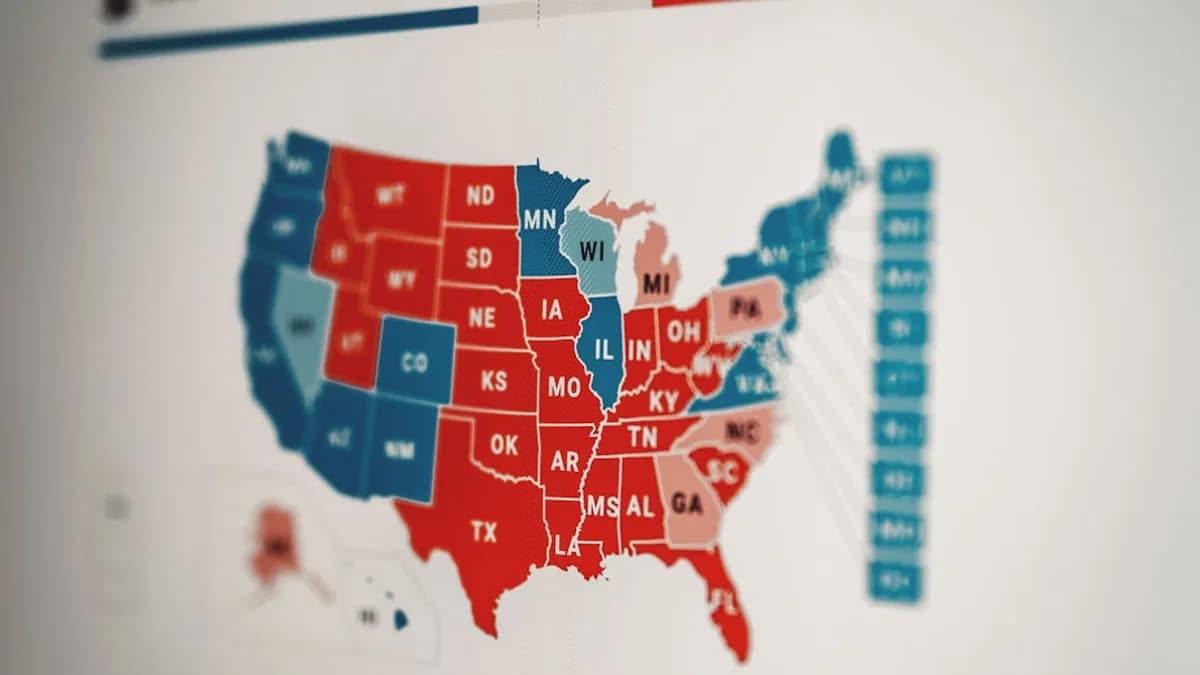
Redistricting shapes who gets power in Congress and statehouses. When states redraw voting maps, it can change which party wins or loses seats. This year, fights over redistricting have heated up, especially in Virginia, where a judge stopped the certification of new district maps and the state attorney general is appealing [Source: Google News]. The Trump team has pushed hard for more redistricting, hoping it would help the GOP (Republican Party) win more seats. But the results have been mixed, and the gains are smaller than party leaders hoped.
Many people are confused or frustrated about redistricting. It’s often seen as a behind-the-scenes game that only insiders understand. But redistricting affects voters everywhere. If you want to know how district lines are drawn or how you can speak up, this guide will help you. We’ll break down how the process works, how to spot unfair maps, and what you can do to protect your vote.
Understanding the Legal and Political Landscape of Redistricting
Redistricting follows rules set by federal and state laws. After every census—usually every 10 years—states redraw their voting districts to match population changes. The goal is to keep districts roughly equal in size, so everyone’s vote counts the same. But politicians often try to bend the rules to help their party.
Courts play a big role. When someone challenges a map as unfair, judges can step in. In Virginia, a judge recently blocked the certification of new district maps, saying the process might have broken the law. The state attorney general is fighting that decision, hoping to have the maps accepted [Source: Google News]. These legal battles can drag on for months or years, leaving voters unsure about which district they belong to.
Redistricting is high-stakes. For Republicans, the Trump team wanted aggressive map changes to gain seats. But even with their push, the GOP has seen only small gains. Some say this is due to population shifts and court rulings that limit extreme gerrymandering—when mapmakers draw lines to pack or split groups of voters to help their side.
Regional splits matter, too. In Richmond, Virginia, the debate over redistricting was even more divisive than the governor’s race [Source: Google News]. Some areas are carved up, putting neighbors in different districts. This can weaken community voices, especially when maps split cities or regions with shared interests.
Both parties use redistricting as a tool, but it’s not always easy to get the results they want. Changes in the law, strong public pushback, and court oversight can keep maps from getting too skewed. Still, the process remains a battleground, and every voter should pay attention.
How to Analyze Redistricting Maps and Identify Gerrymandering
If you want to check if a map is fair, start by looking at the shape and makeup of each district. Gerrymandering often creates odd-shaped districts that snake around cities or jump across county lines. Here’s how you can spot it:
Step 1: Find the Map
Go to your state’s election website or sites like Dave’s Redistricting App or the Princeton Gerrymandering Project. Download or view the district maps.
Step 2: Look for Strange Shapes
Districts should be compact—not stretched out or twisted. If a district looks like a “salamander” or zigzags across a city, it may be gerrymandered.
Step 3: Check Community Integrity
See if the map splits up towns, cities, or neighborhoods. Good maps try to keep communities together. Bad maps often break up groups to weaken their voting power.
Step 4: Compare Partisan Balance
Find out how many seats each party is likely to win. Princeton’s tools show the “partisan bias” of a map. If one party wins far more seats than their share of votes, the map may be unfair.
Step 5: Read Legal Documents
Court filings and state records can show why a map was drawn a certain way. Sometimes, emails or memos reveal if mapmakers aimed to help one party.
Common tactics include “packing” (putting lots of one party’s voters in a few districts so their votes don’t spread) and “cracking” (splitting up groups so they can’t win anywhere). The Trump team’s recent push led to a blunder, where maps were so aggressive they triggered court challenges and limited gains [Source: Google News].
Tools and Resources:
- Dave’s Redistricting App: Free, easy to use
- Princeton Gerrymandering Project: Offers detailed ratings
- State election websites: Official maps and documents
- Ballotpedia: Background info and map histories
If you see districts that don’t make sense, or if your community is split up, those are red flags. Numbers help, too: Look for measures like “compactness” (how smooth the shape is), “community integrity” (how well groups stick together), and “partisan bias” (difference between votes and seats).
How to Engage in Redistricting Advocacy and Legal Challenges
Redistricting isn’t just for politicians or lawyers. Regular people and groups can shape the process. Here’s how:
Step 1: Submit Public Comments
During redistricting, states and local governments hold hearings. You can send written comments or speak at meetings. Share stories about your neighborhood, explain why your community should stay together, or point out unfair splits.
Step 2: Attend Hearings
Show up in person or online. Numbers matter—more voices mean more attention from lawmakers. Bring friends, neighbors, or local groups.
Step 3: Connect With Advocacy Groups
Groups like Common Cause, League of Women Voters, and local nonprofits help people organize and understand maps. They offer training, resources, and can guide you on making your voice heard.
Step 4: Support or Start Legal Challenges
If you think a map is unfair, you can join lawsuits or help start one. Advocacy groups often lead these fights. Sometimes, just signing a petition or adding your story can help build a case.
Step 5: Share Success Stories
Learning from wins helps. Hakeem Jeffries, a House Democratic leader, got a big win recently when public pressure and legal action led to fairer maps in his district [Source: Google News]. These victories show that organized action works.
Legal challenges can change maps, but public advocacy is just as important. Maps drawn in secret or with little input often face more resistance. When people speak up, lawmakers and courts listen. Even small actions—like writing a letter or showing up—can make a difference.
Remember, redistricting affects schools, roads, and budgets. When maps are fair, communities can get better representation and resources. When they’re skewed, some voices get drowned out.
How to Stay Informed and Prepare for Future Redistricting Cycles
Redistricting isn’t just a one-time event. It happens after every census, and changes can come anytime if courts step in. Staying informed helps you act early.
Reliable News Sources:
- Google News: Find updates from many outlets
- Local newspapers: Track state and city debates
- National sites like Politico, Axios, CNN: Offer big-picture coverage
Watchdog Groups:
- Common Cause: Offers alerts and guides
- Brennan Center for Justice: Tracks legal cases and policy changes
- League of Women Voters: Hosts workshops and info sessions
Monitor Government Actions:
Sign up for emails from your state’s election office. Follow city council or county board meetings. Watch for map proposals, public hearings, and new rules.
Strategies for Voters:
- Check which district you’re in, especially if maps change
- Ask candidates about their views on redistricting
- Talk to neighbors about how maps affect your area
Prepare for the Next Cycle:
Redistricting will happen again after the 2030 census. Start learning now, so you’re ready to speak up. Early action shapes the process.
Conclusion: Empowering Voters to Navigate and Influence Redistricting
Redistricting decides who represents you. By learning how to spot unfair maps and speak up, you can protect your vote. Stay alert, ask questions, and join others in pushing for fair districts. The battles over maps will keep coming, but informed citizens have power. Use these steps to make sure your voice is heard—now and in the years ahead.
Why It Matters
- Redistricting directly affects which party holds power in Congress and state legislatures.
- Legal battles over district maps can create uncertainty for voters about their representation.
- The limited GOP gains despite aggressive redistricting efforts highlight the complexity and limits of political mapmaking.