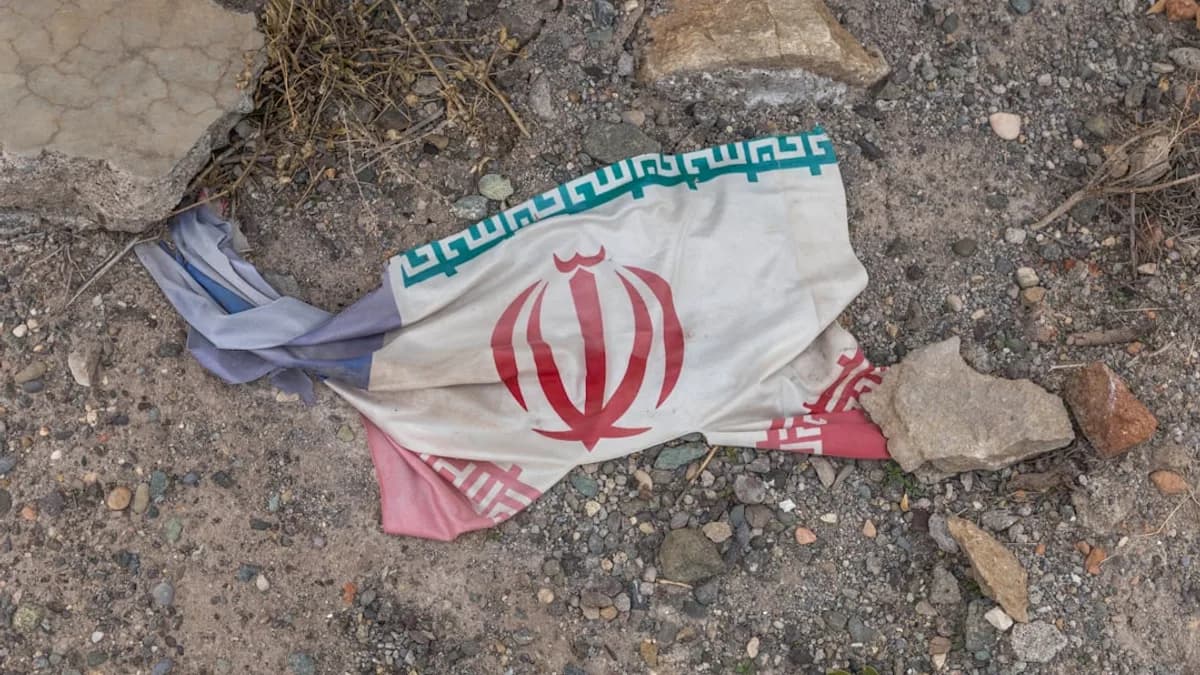
Introduction: Overview of Trump’s Recent Statements on Iran Nuclear Deal
Former President Donald Trump has made headlines with his latest claims regarding Iran’s nuclear program, asserting that the Iranian government has “agreed to everything,” including the removal of enriched uranium from the country. These statements come as the prospect of renewed US-Iran talks looms, with Trump suggesting that the US would recover uranium from Iran “at a leisurely pace” and that Iran would suspend its nuclear program without receiving additional funds [Source: Source]. The significance of Trump’s remarks cannot be overstated, given the longstanding tensions between the US and Iran and the critical role the nuclear issue plays in shaping regional and global security dynamics. As policymakers and observers weigh the potential for a breakthrough, Trump’s assertions inject both optimism and skepticism into the conversation—setting the stage for a pivotal moment in US-Iran relations.
Background: History of US-Iran Nuclear Negotiations
The US-Iran nuclear saga has been defined by complex diplomacy, shifting alliances, and persistent mistrust. The landmark 2015 Joint Comprehensive Plan of Action (JCPOA) represented a major achievement: Iran agreed to limit its nuclear activities, reduce uranium enrichment, and allow international inspections in exchange for relief from economic sanctions. The JCPOA was backed by the US, EU, Russia, China, and other major powers, aiming to prevent Iran from developing nuclear weapons while integrating it into the global economy.
However, in 2018, President Trump unilaterally withdrew the US from the JCPOA, arguing that the agreement was insufficient and failed to address Iran’s ballistic missile program and regional influence. The withdrawal triggered a cascade of consequences: US sanctions were reimposed, Iran’s economy suffered, and Tehran gradually breached key JCPOA limits—including increasing uranium enrichment and stockpiling [Source: Source]. Iran’s nuclear program accelerated, with enrichment levels climbing closer to weapons-grade. International efforts to salvage the deal faltered, as mutual distrust deepened and the specter of military confrontation grew over incidents in the Persian Gulf and disputes about nuclear site access.
This context underscores the fraught environment in which Trump’s latest remarks are made. The legacy of the JCPOA, the US withdrawal, and subsequent escalations have shaped the parameters of current negotiations and the stakes for both sides.
Analyzing Trump’s Claims: What Does 'Agreed to Everything' Mean?
Trump’s assertion that Iran has “agreed to everything,” including the removal of enriched uranium, is bold—but its accuracy and implications require scrutiny. According to Trump, Iran would suspend its nuclear program and allow the US to recover uranium at a relaxed pace, implying significant concessions from Tehran [Source: Source].
However, official Iranian responses and statements from international bodies have not confirmed such sweeping agreements. Historically, Iran has maintained that its nuclear activities are for peaceful purposes and has resisted calls for complete removal of enriched uranium, which is viewed as a national right and a bargaining chip in negotiations. Iranian officials have repeatedly demanded reciprocal steps from the US, such as lifting sanctions, before making concessions [Source: Source].
The feasibility of removing all enriched uranium from Iran is technically and politically challenging. The JCPOA itself allowed Iran to retain limited amounts of low-enriched uranium, and complete removal would require extensive logistical coordination, international monitoring, and political guarantees. The timeline for such a process could stretch months, if not years, given the need for verification, transportation, and compliance.
Suspending the nuclear program would also involve halting enrichment, dismantling centrifuges, and reopening facilities to international inspectors. While Trump’s claims suggest an imminent breakthrough, the absence of corroborating details from Iranian or international sources raises questions about the deal’s readiness and scope.
In sum, “agreed to everything” may reflect optimism or negotiating tactics rather than confirmed policy shifts by Iran. The contrast between Trump’s statements and the cautious rhetoric from Tehran and global actors suggests that significant hurdles remain before any comprehensive agreement is reached [Source: Source].
Potential Impact on US-Iran Relations and Regional Stability
If Trump’s claims translate into concrete action, the potential impact on US-Iran relations and regional stability could be profound. A renewed commitment to limiting Iran’s nuclear program would open the door to diplomatic engagement, potentially easing tensions that have simmered since the US withdrawal from the JCPOA.
In the Persian Gulf, particularly the Strait of Hormuz, de-escalation could reduce the risk of military confrontations and disruptions to global oil flows. The region has seen repeated incidents—ranging from tanker seizures to drone strikes—that have raised fears of broader conflict. A nuclear deal would likely calm markets and reassure allies concerned about Iran’s intentions [Source: Source].
Globally, a suspension of Iran’s nuclear program could influence oil prices, given the country’s significant production capacity and the sensitivity of markets to geopolitical risks. It could also affect international sanctions regimes: successful negotiations might prompt the US and its partners to ease restrictions, allowing Iran to re-enter global trade and finance.
However, the durability of any agreement would depend on mutual trust, robust verification, and the ability to address broader concerns—such as Iran’s regional activities and missile programs. While Trump’s statements raise hopes for a reset, the region’s history suggests that progress will be incremental and contingent on sustained diplomatic efforts.
Challenges and Skepticism Surrounding the Deal
Despite Trump’s optimism, skepticism abounds among experts, opposition parties, and international observers. Critics point to the lack of detailed commitments from Iran and the absence of formal agreements or timelines. Previous negotiations have faltered due to disagreements over verification, sequencing of concessions, and political backlash in both countries.
Implementing the removal of enriched uranium presents logistical and security challenges. Transporting nuclear material requires international cooperation, secure transit routes, and strict adherence to nonproliferation standards. Iran has historically resisted intrusive inspections, citing sovereignty concerns, and any deal would need robust verification mechanisms to ensure compliance.
Trust-building measures remain a major obstacle. The legacy of the US withdrawal from the JCPOA, coupled with ongoing sanctions and recent confrontations, has deepened mistrust. Iranian leaders are likely to demand guarantees that the US will not renege on future commitments, while US policymakers will seek assurances that Iran will not resume enrichment or conceal activities.
International observers, including the International Atomic Energy Agency (IAEA), will play a critical role in monitoring and verifying compliance. The credibility of any agreement hinges on transparent reporting, access to sites, and the ability to detect violations swiftly.
Ultimately, skepticism reflects the complexity of nuclear diplomacy and the need for sustained, incremental progress. While Trump’s statements signal potential movement, the path to a durable agreement remains fraught with political, technical, and strategic challenges [Source: Source].
Conclusion: What Lies Ahead for US-Iran Nuclear Negotiations
Trump’s declaration that Iran has “agreed to everything” marks a dramatic turn in the ongoing saga of US-Iran nuclear diplomacy. While the prospect of removing enriched uranium and suspending Iran’s nuclear program offers hope for de-escalation, the analysis suggests that significant hurdles remain—ranging from verification challenges to political mistrust.
The potential for a durable agreement depends on transparent negotiations, robust monitoring, and reciprocal steps that address broader regional and security concerns. As both sides navigate the complexities of diplomacy, cautious optimism is warranted—but history underscores the importance of sustained engagement and realistic expectations.
Ultimately, the future of US-Iran nuclear negotiations will be shaped by the balance of ambition and pragmatism, the willingness to compromise, and the commitment to peaceful resolution. The coming weeks and months will reveal whether Trump’s optimism is justified—or whether the nuclear issue remains a central challenge in US-Iran relations [Source: Source].