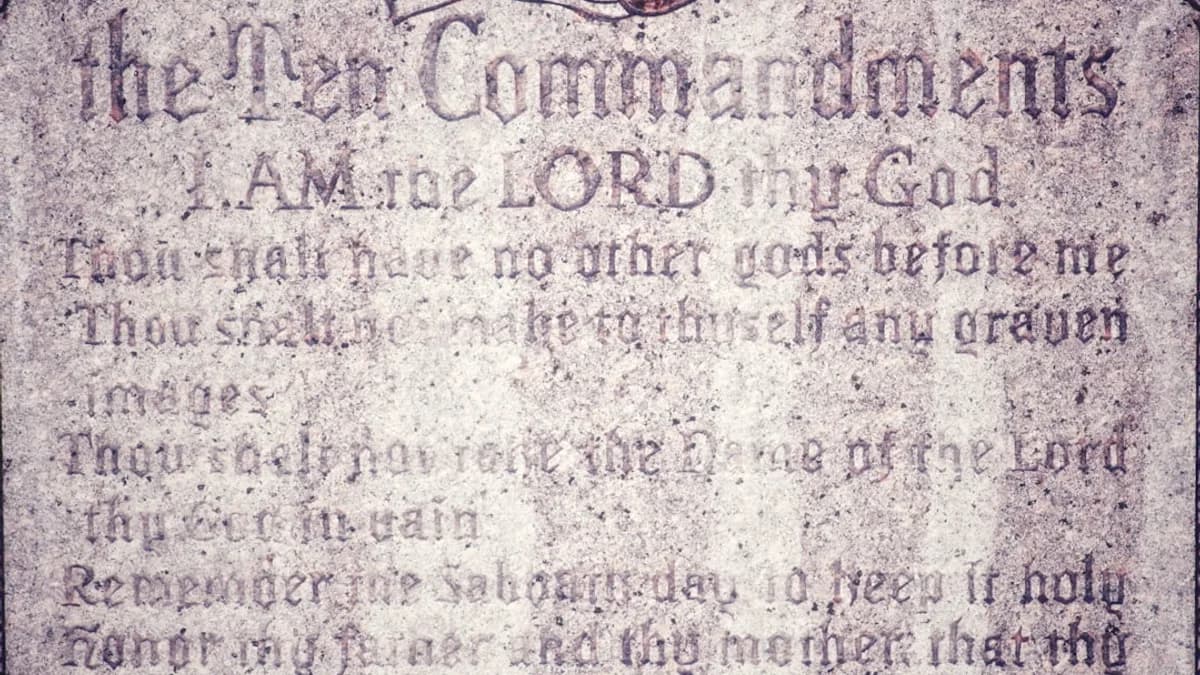
Appeals Court Upholds Texas Ten Commandments School Display Law
Texas public schools can now hang the Ten Commandments in classrooms, thanks to a new federal appeals court ruling. The court said Texas has the right to enforce a law that requires schools to put up these religious texts, ending a legal fight that has lasted months. The law first passed last year but faced strong pushback from groups who say it mixes religion and government in a way the Constitution doesn’t allow.
Lawmakers in Texas argued that the Ten Commandments are a big part of American history and can help teach students about morals. Critics said the law goes too far, forcing schools to promote one religion. This ruling is a big deal for both education and constitutional law in Texas. It could set a new standard for what is allowed in classrooms across the country [Source: Google News].
Details of the Appeals Court Decision on the Ten Commandments Law
The Fifth Circuit Court of Appeals made the decision. Three judges reviewed the law and the arguments against it. They said Texas can move forward, letting schools display the Ten Commandments as long as they follow the state’s guidelines. The court pointed to recent Supreme Court cases that give states more room to decide what goes in classrooms.
The judges looked closely at the First Amendment, which says the government can’t set up a religion or stop people from practicing their faith. Some groups argued the law breaks the “Establishment Clause” in the Constitution, which separates church and state. But the court said that showing the Ten Commandments doesn’t mean Texas is choosing one religion for everyone. Instead, they said the display is “historical and educational,” not a push for people to believe in a certain faith.
Judge Don Willett, one of the panel’s most vocal members, wrote that the law aims to “recognize the Commandments’ role in American legal and civic traditions.” The court also noted that other states, like Kentucky and Oklahoma, have tried similar laws but faced legal blocks. This Texas ruling could change how other states approach religious displays in schools [Source: Google News].
Background: Controversy Surrounding Religious Displays in Public Schools
The fight over religious symbols in schools is not new. For decades, courts have decided whether posting the Ten Commandments in public places is legal. In 1980, the Supreme Court told Kentucky to take down Commandments displays, saying they mixed church and state too much. That ruling set a standard for years. Still, some states kept trying to bring religious texts back into classrooms.
Texas has pushed this issue before. In 2005, the Supreme Court allowed a Ten Commandments monument to stay on Texas Capitol grounds, calling it historical, not religious. But inside schools, the rules have been stricter. Many school districts worried that putting up the Commandments would spark lawsuits. Groups like the American Civil Liberties Union and Americans United for Separation of Church and State have fought hard to keep religion out of public education.
Public debate in Texas has been heated. Supporters say the Commandments are basic rules for living and can help students learn right from wrong. Opponents call the law an attempt to promote Christianity in public schools. Polls show Texans are divided. Some see the law as a way to protect tradition; others fear it will alienate students from different backgrounds.
Implications of the Ruling for Texas Public Schools and Beyond
This ruling means teachers and school leaders across Texas will need to follow the new law, making sure the Ten Commandments are displayed in every classroom. Schools will have to decide how to do this, what kind of signs to use, and how to handle pushback from parents or students who do not agree. Some districts may face new lawsuits as people test whether the law truly fits with the Constitution.
The decision could encourage other states to try similar laws. If Texas can do this, lawmakers in places like Florida or Arkansas might give it a shot. That could lead to even more legal fights about religion in public schools. Legal experts say this case might end up in the Supreme Court, especially if schools in other states follow Texas’s lead.
Educators worry about what this means for students. Some teachers say the Commandments could help teach values, but others fear it will make non-Christian kids feel left out. Civil rights groups like the ACLU have promised to keep fighting, saying the law is unfair to students with different beliefs. Religious groups, especially Christian organizations, have celebrated the ruling. They say it marks a win for religious freedom and tradition.
Lawyers point out that the court’s decision could change how schools handle other religious symbols, too. If the Commandments are allowed because they’re “historical,” will schools soon hang other religious texts, like the Quran or Torah, for educational purposes? The answer isn’t clear yet. For now, Texas schools are getting ready to follow the law, even as they watch for new challenges.
Analysis: Balancing Religious Expression and Constitutional Rights in Education
The Texas ruling highlights a deep struggle in America: how to balance religious expression with the Constitution’s promise of separation between church and state. Schools are supposed to be places for all kids, no matter what they believe. But religious displays can make some students feel like outsiders.
Legal experts say the Supreme Court’s recent moves have made it easier for states to bring religion into public life. In 2022, the Court backed a football coach in Washington State who prayed on the field, saying he had a right to show his faith. Some think the Texas ruling is another step in this direction.
Still, many people worry about what happens next. Will schools soon be full of religious symbols? Will students who don’t share the majority faith feel uncomfortable or left out? Groups that watch for civil rights say this could lead to more fights in court, especially as America grows more diverse.
Politically, the ruling shows how state lawmakers are testing the limits of what the Constitution allows. Some want to bring faith back into schools. Others want to keep religion and government apart. This battle isn’t just about Texas. It’s about how America sees itself—whether as a country built on religious values, or one that promises freedom from religion.
This decision also raises questions for teachers and families. Should schools teach about religion as history? Or should they avoid anything that looks like promoting belief? Experts say the answers will depend on future court cases and changes in public opinion. For now, the Texas law is a sign that the debate over religion in schools is far from over.
Conclusion: What the Appeals Court Ruling Means for the Future of Religion in Public Schools
Texas’s new law is a big shift for public schools. The appeals court ruling lets schools display the Ten Commandments, despite worries about mixing church and state. This could change how schools across America handle religion, especially if other states follow Texas’s lead [Source: Google News].
Legal fights are likely to continue. The Supreme Court may step in if new lawsuits challenge the law. For now, Texas schools are moving fast to follow the ruling, while groups on both sides prepare for what comes next. This case shows how the lines between law, education, and religion are always changing—and how people will keep debating what should happen in America’s classrooms. If you’re a teacher, parent, or student, now is the time to watch closely and speak up about what you think schools should teach.
Why It Matters
- This ruling sets a precedent for religious displays in public school classrooms nationwide.
- It highlights ongoing debates about the separation of church and state in education.
- The decision could influence similar laws and court cases in other states.