Overview of the Teotihuacán Shooting Incident
A gunman shot tourists at the famous Teotihuacán pyramids in Mexico, killing a Canadian visitor and wounding six others. The attack happened on June 8, 2024, at one of the country’s busiest archaeological sites, just outside Mexico City. Teotihuacán draws thousands of people a day, making the shooting a shock for both locals and tourists.
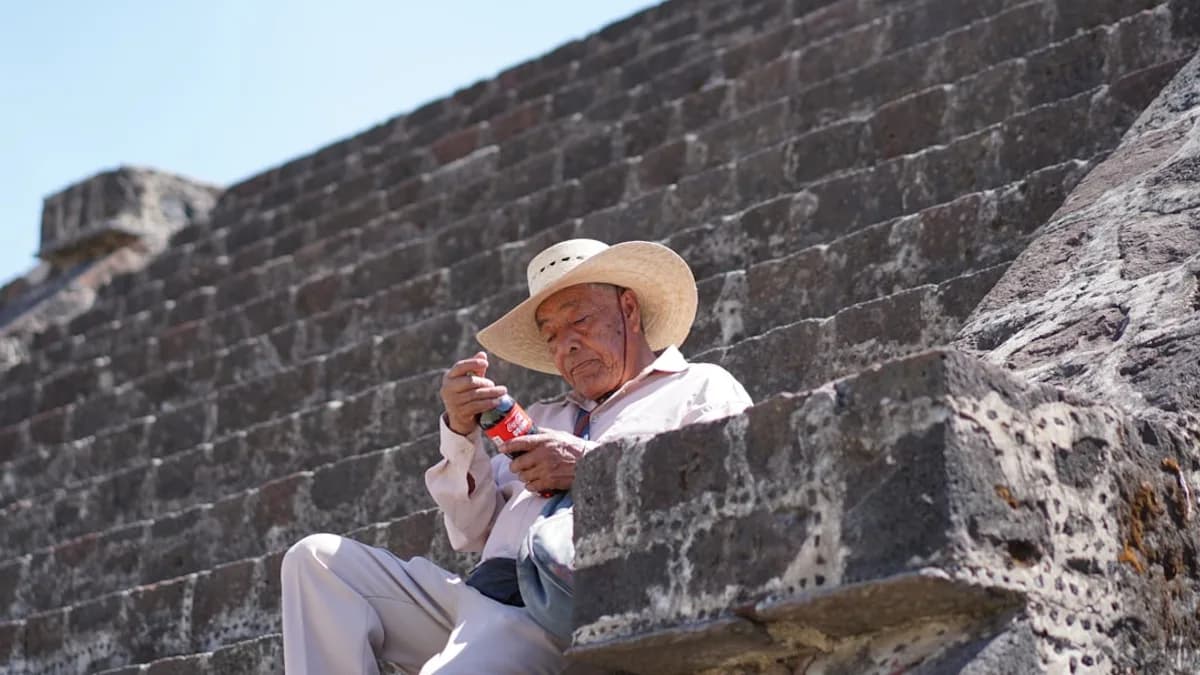
Witnesses said the gunman targeted a group at the base of the Pyramid of the Sun. He fired several shots in a crowded area. The injured included visitors from Canada, the United States, and Mexico. Local police and emergency workers rushed to help, closing off parts of the site and moving victims to nearby hospitals [Source: Google News].
The quick response kept panic from spreading. By evening, the site was cleared and the wounded were receiving care. The attack forced authorities to review safety at Mexico’s top tourist spots. People online shared concern about visiting historical sites, and some travel agencies paused tours to Teotihuacán.
Details About the Gunman and His Motives
Police later found the gunman had carried notes about past U.S. mass shootings, including details on the 1999 Columbine massacre. Officials said the attacker planned his actions, bringing materials that showed he studied previous shootings [Source: Google News].
Authorities have not named the gunman, but early reports suggest he is a Mexican citizen in his late twenties. The notes in his bag listed names, dates, and tactics used in attacks like Columbine. Police also found printouts from news stories about other mass shootings in the United States.
Investigators believe this was not a random act. The gunman chose the pyramid during a busy time. He arrived alone, blending in with tourists, and waited for a crowd to gather before firing. Officials said this points to careful planning, not impulse.
Mexico’s Attorney General said, “The materials found indicate the attacker was inspired by events outside our country. This is a disturbing sign of cross-border influence.” Experts note this is rare in Mexico, where shootings at tourist sites almost never happen.
The gunman was arrested at the scene. He is now being questioned about his motives and connections to groups or online forums linked to mass shootings. Officials are checking his social media for signs of radicalization or mental health issues. The investigation is still open, and more details may emerge in coming days.
Historical Context: Connection to U.S. Mass Shootings
The Columbine massacre happened in 1999 at a high school in Colorado. Two students killed 13 people and wounded over 20 others. Columbine was one of the first mass shootings to get worldwide attention, sparking debates on gun control, school safety, and mental health in the U.S. [Source: Google News].
Many attackers since then have cited Columbine as inspiration. The event is often discussed in online forums, sometimes with plans or “manifestos” copied from the original shooters. The Teotihuacán gunman’s notes showed he studied these kinds of materials, taking ideas from U.S. mass shootings.
This points to a bigger problem: violent acts can spread across borders. People in one country can learn about, and copy, attacks from somewhere else. Social media and news coverage make it easy for attackers to find details and motivation.
Mexico has strict gun laws, but the Teotihuacán shooting shows ideas are harder to control than weapons. Experts worry that the influence of U.S. mass shootings may grow, especially as attackers post their plans online. Countries now face the challenge of stopping not just guns, but also the spread of dangerous ideas.
Mexico’s Response: Enhanced Security at Cultural and Archaeological Sites
Mexico’s government acted fast. Officials said they will double security and inspections at tourist and heritage sites. This includes more police patrols, bag checks, and cameras at places like Teotihuacán, Chichen Itza, and other popular spots [Source: Mexico News Daily].
Tourism officials met with local leaders after the attack. They agreed to add more guards and emergency staff at the pyramids and other sites. Visitors will see stricter checks at entrances and more visible security teams.
The goal: keep tourists safe and protect Mexico’s reputation. The country depends on tourism for billions of dollars a year. After the shooting, some visitors canceled trips, but most said they would still travel if security improves.
Some experts say Mexico must balance safety with openness. Too many guards or checks could scare away tourists. But too little action risks more attacks. The Tourism Minister said, “We want people to feel safe but welcome. Our sites are important to the world, and we will protect them.”
Implications for International Tourism and Security Policies
The Teotihuacán shooting may change how countries protect their most visited sites. Open places like pyramids, ruins, and museums are hard to secure. Attackers can blend in, making surprise attacks easier. Mexico’s new security steps could set an example for other countries facing similar risks.
Tourism is big business in Mexico, with over 45 million visitors each year. A single attack can scare tourists and hurt local economies. After the shooting, travel agencies asked for more updates on security measures. Some international visitors said they will wait to see how Mexico responds before booking trips.
Experts say countries must share information about threats and attackers. Mass shootings often have links across borders, through online forums or extremist groups. Better cooperation between Mexico, the U.S., Canada, and Europe could help stop attacks before they happen.
The challenge is protecting open landmarks without ruining the visitor experience. Some suggest using technology, like facial recognition or smart cameras, to spot threats. Others say training staff to notice warning signs is key. Mexico’s steps may be watched closely by tourist sites worldwide.
Conclusion: Lessons and Next Steps in Addressing Violence at Tourist Destinations
The Teotihuacán shooting shows how fast violence can spread to places once thought safe. The attacker’s links to U.S. mass shootings highlight the need for vigilance, not just in Mexico but everywhere tourists gather.
Countries must act now. Strong security, quick response teams, and smarter ways to spot danger can help protect visitors. Sharing information and studying how past attacks inspire new ones is vital. Tourist sites must stay open and welcoming, but also ready for threats that may come from far away.
As travel picks up again, governments, tour operators, and visitors will need to work together. The goal: keep history alive and safe for everyone. This incident is a reminder that ideas can travel as fast as people, so watching for warning signs matters more than ever.
Why It Matters
- The shooting at Teotihuacán raises urgent concerns about security at major tourist destinations in Mexico.
- The gunman's apparent inspiration from past U.S. mass shootings highlights the global influence of such tragedies.
- Travel agencies and authorities are re-evaluating safety protocols, affecting tourism and public confidence.