Introduction to Taiwan Minister's Rare Visit to South China Sea Island
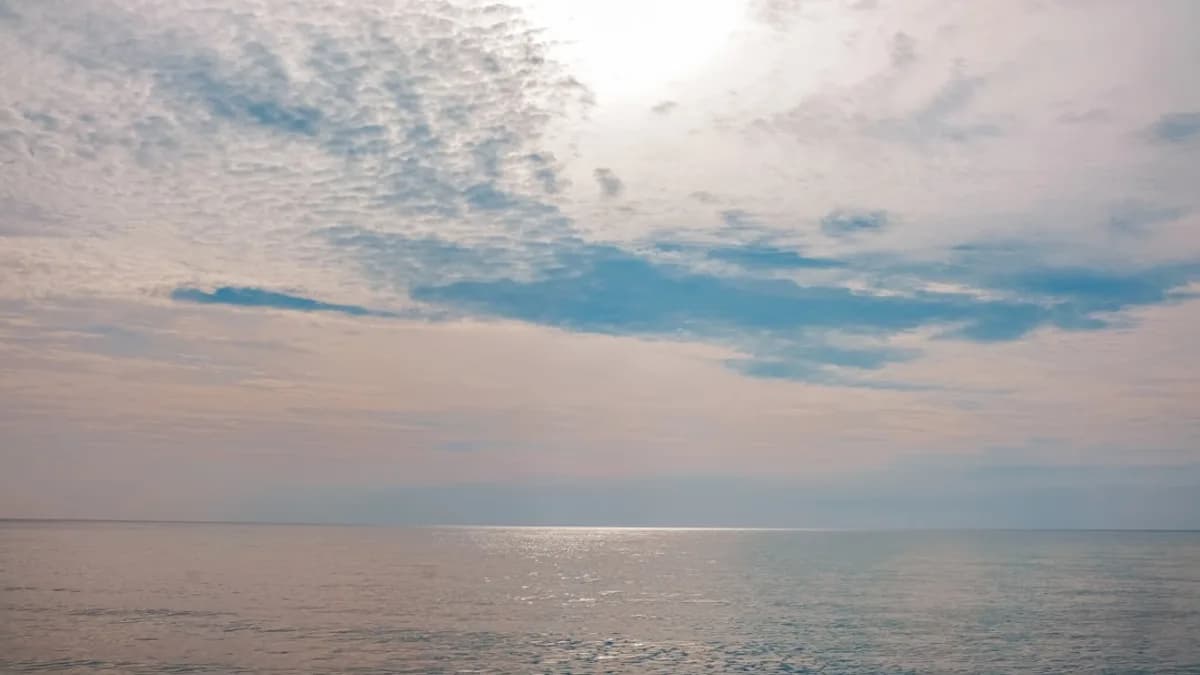
Taiwan’s defense minister visited a remote island in the South China Sea for military drills, marking a rare trip by a top official to this disputed area. This visit comes at a tense time, as countries around the sea argue over territory and resources. The minister’s presence showed Taiwan’s intent to defend its claim, even as China steps up pressure. During the trip, soldiers carried out exercises that tested their skills and readiness. These drills were meant to show that Taiwan can protect its small islands, even far from its main land. The visit sent a strong signal to neighbors and rivals, reminding them that Taiwan is watching and ready [Source: Google News].
Details of the Military Drills Conducted on the South China Sea Island
The drills featured live-fire exercises and mock defense scenarios. Soldiers practiced how to respond to possible attacks and protect their base. Both the army and coast guard took part, showing teamwork between Taiwan’s military branches. Troops tested weapons, communications, and quick reactions to emergencies. Officials said the goal was to make sure the island’s defenses are strong enough to handle real threats.
The exercises were not large compared to mainland drills, but they mattered because the island sits in a busy, contested sea. The drills included shooting practice, patrols, and emergency medical care. Helicopters and patrol boats worked together to move supplies and check the coastline. Soldiers also set up radar and watched for ships or planes nearby.
Taiwan’s military focused on how to keep the island running if it gets cut off from the main land. They practiced bringing in food and water, fixing equipment, and treating injuries. Leaders wanted to show that even a small outpost can stand firm if trouble comes. The drills also tested how fast the troops could react to sudden changes, like a surprise landing or a loss of power.
This visit and the drills were not just about showing strength. They were also a chance for Taiwan to learn what works and what needs fixing. The minister spoke with soldiers about their needs and promised more support. By training in real conditions, Taiwan hopes its troops will be ready if tensions rise.
Geopolitical Context: Taiwan’s Position in the South China Sea Dispute
Taiwan claims several islands in the South China Sea, including this one, which is part of the Spratly group. These claims overlap with those of China, Vietnam, the Philippines, and others. The South China Sea is famous for its rich fish stocks and oil reserves. It also matters for trade: ships carrying trillions of dollars in goods pass through every year.
China says almost all of the sea belongs to it, drawing a “nine-dash line” that covers much of the area. Many neighbors reject this claim. They say the United Nations law of the sea gives them rights to islands and waters close to their shores. The fight over the sea has led to tense standoffs, new bases, and many military patrols.
Taiwan’s presence is unique. It controls one of the largest natural islands, Taiping Island, and keeps a small force there. Taiwan’s government is not recognized by the United Nations, but it has held its outposts for decades. The island visited by the minister is far from Taiwan’s main land, making supply and defense tough.
Drills like this fit into a bigger pattern. China often sends ships and planes near Taiwan and other islands, warning others to stay away. Vietnam and the Philippines also run patrols and build new facilities. Each country tries to show it will not back down, but no one wants a war.
Taiwan’s visit shows it will not be pushed out. By running drills and sending its minister, Taiwan signals it is serious about its claim. It also shows allies—like the United States—that it will defend its territory. The visit comes as China holds its own exercises nearby, making the timing even more important [Source: Google News].
Implications of the Visit for Taiwan-China Relations and Regional Security
China is likely to criticize Taiwan’s visit and drills. China sees Taiwan as part of its territory, so any action in disputed areas can spark anger. Chinese officials often warn against “provocations” and promise to respond. In the past, China has sent ships or jets near Taiwan after such events.
This visit may raise tensions, but it also shows Taiwan is not backing down. The drills suggest Taiwan wants to keep its forces sharp and ready, even far from home. Other countries, like Vietnam and the Philippines, may watch closely. They face their own troubles with China and may see Taiwan’s actions as a sign to do more themselves.
The visit could strain talks between Taiwan and China. Cross-strait relations are already tense, with both sides trading harsh words. China has tried to isolate Taiwan diplomatically, but Taiwan keeps finding ways to show it is independent. Military moves like this make dialogue harder, as both sides worry about security.
Some experts say this visit could spark new moves in the region. China may run more drills or send more ships to the area. The United States could offer more support to Taiwan, as it often does when tensions rise. Other countries may boost their own patrols, hoping to keep the peace and protect their claims.
For now, the visit is a warning: the South China Sea is still a place where small actions can have big effects. Every move is watched closely by rivals and allies alike. Taiwan’s drills may bring new pressure, but they also show it is not willing to give up its place in the sea.
Expert Opinions and Strategic Analysis on Taiwan’s Military Posture
Defense experts say Taiwan’s visit is both bold and risky. Dr. Amanda Chang, a security analyst in Taipei, says, “Taiwan wants to show it can protect its islands, but every move risks upsetting China.” She adds that real-world drills make Taiwan’s forces stronger, but also invite more attention from rivals.
Taiwan’s military has worked hard to improve its readiness. In recent years, it has spent more money on weapons, training, and new technology. The island drills show that Taiwan is serious about defending even its farthest outposts. Experts note that the small size of the force is a weakness, but the drills help troops get used to tough conditions.
Some analysts compare Taiwan’s actions to those of Vietnam and the Philippines. Both countries have run similar drills and built new bases in the South China Sea. Taiwan’s visit is unusual because top officials rarely travel so far. This makes the trip stand out and sends a strong message.
Dr. Samuel Lee, a regional strategist, says, “Such visits are about more than defense. They tell the world Taiwan will not be scared off.” He notes that these moves can help deter rivals, but only if backed by real strength. If Taiwan’s troops can respond quickly and work well together, they are more likely to protect their territory.
Experts warn that drills alone are not enough. Taiwan must keep improving its forces, supplies, and communications. The sea is hard to defend, with storms, tough terrain, and long supply lines. Visits and exercises help find weak spots before real trouble comes.
Strategic analysts say Taiwan’s moves may also shape how the United States and other allies act. If Taiwan shows it can defend itself, allies may offer more help. If China steps up its own actions, the risk of a crisis grows. Every drill and visit adds to the complex chess game in the South China Sea.
Conclusion: The Significance of Taiwan’s Assertive Actions in the South China Sea
Taiwan’s defense minister’s visit and the drills on the South China Sea island send a clear message: Taiwan is ready to protect its claims, even as rivals press harder. The exercises tested troops and showed Taiwan’s commitment to its outposts. These moves will keep the region on edge, as countries watch for new signs of trouble.
Long-term, such actions may make Taiwan stronger and more respected, but could also lead to sharper disputes with China and others. The South China Sea remains a place where power, pride, and safety all mix. For now, Taiwan’s bold step will keep eyes on the islands, as everyone waits to see what happens next. Keeping track of these drills and visits is key for understanding how the region’s balance might shift.
Why It Matters
- The visit highlights Taiwan's determination to defend its territorial claims in the disputed South China Sea.
- Military drills demonstrate Taiwan's readiness and ability to respond to potential threats in remote locations.
- This action sends a message to neighboring countries and China amid rising regional tensions.