Introduction: Unraveling the Tragic Louisiana Shooting and the Role of the Stolen Gun
Eight children lost their lives in Louisiana after a gunman used a stolen firearm to carry out a mass shooting. The gun, taken from a truck, became the deadly tool in this heartbreaking crime. Police recently arrested a man from Shreveport, accused of helping the shooter get the gun [Source: Google News]. This case is more than just a crime story—it shows how stolen guns can turn into deadly threats. The article explains how the theft of that gun led to tragedy and what it means for gun safety in the U.S. We look at the facts, the legal actions, and what experts say about stopping gun thefts in the future.
Details of the Incident: How the Stolen Gun Was Linked to the Mass Shooting
The mass shooting happened in a quiet Louisiana neighborhood. Eight children were killed, leaving families and the community shaken and grieving [Source: Google News]. One woman and her child scrambled to safety by jumping from a rooftop to escape the shooter [Source: BBC]. The shooter, masked and angry, targeted his victims in a rampage that shocked the state [Source: The Washington Post].
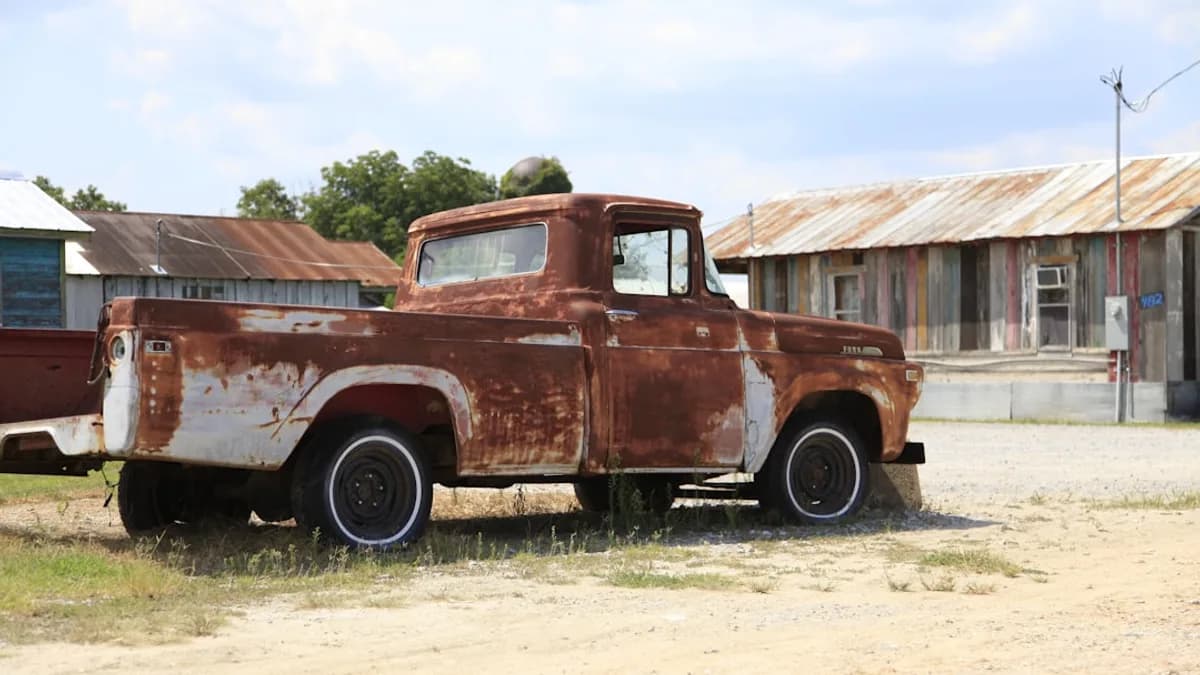
Investigators found that the gun used in the shooting was stolen from a truck days before the attack. The shooter didn’t steal the gun himself. Instead, a man from Shreveport helped him get it. The man allegedly secured the firearm after it was stolen and handed it to the shooter, who police say then used it to kill the eight children [Source: Department of Justice]. Police tracked the gun’s history, linking it to the theft and the people involved.
The case shows how a stolen gun can quickly move from one person to another, ending up in the hands of someone ready to commit violence. Police say the Shreveport man played a key role, acting as a middleman between the theft and the crime. His actions helped the shooter get a weapon he otherwise wouldn’t have had. This connection is now at the center of the investigation, as police and federal agents try to stop future tragedies.
Legal and Law Enforcement Response: Arrests and Charges Related to the Stolen Firearm
Police moved fast after the shooting. They arrested the Shreveport man, charging him with providing a gun used in the mass killing of eight children [Source: Department of Justice]. He faces serious charges, including illegal transfer of a firearm and helping the shooter commit murder. If convicted, he could spend decades in prison.
The Department of Justice released a statement saying they are committed to fighting gun crimes, especially those involving stolen weapons. Local police explained that stolen guns often fuel violent crimes. They are now working with federal agents to track how stolen guns are passed around and end up in shootings.
Law enforcement says stopping gun theft is a key part of reducing violence. They are pushing for tougher rules on gun storage and reporting thefts quickly. Police also warn truck owners and gun owners to keep guns locked up and never leave them in vehicles.
This case is just one example, but police say stolen guns show up in crimes all over the country. The arrest in Louisiana is part of a larger push to charge those who help criminals get guns. Authorities hope that by focusing on the people who provide stolen weapons, they can cut down on mass shootings and violent crimes.
Understanding the Impact of Stolen Guns on Gun Violence in the U.S.
Stolen guns are a big problem in America. Each year, thieves steal about 250,000 guns, according to the Bureau of Alcohol, Tobacco, Firearms and Explosives (ATF) [Source: ATF]. Many of these guns end up in crimes, including robberies, murders, and mass shootings.
When a gun is stolen, it often becomes “untraceable.” That makes it easier for criminals to use it without getting caught. In mass shooting cases, stolen guns are used more often than people think. A 2016 study found that about one in ten violent crimes involved a stolen firearm [Source: National Institute of Justice].
Police face tough challenges. Once a gun is stolen, it can change hands many times. Criminals trade or sell guns in secret, making it hard for law enforcement to track them down. The lack of a national system for reporting and tracking stolen guns means many cases go unsolved.
Some states have strict rules about reporting gun thefts. For example, California and New York require gun owners to report lost or stolen guns quickly. But in many states, there’s no law, and thieves can keep stolen guns hidden for years.
Policy debates are heating up. Some experts say gun owners should be required to lock up guns and report thefts right away. Others argue that gun control laws must go further, banning gun sales to people with theft records or making it harder to store guns in cars.
Gun safety groups point out that stolen guns often come from vehicles. Many owners leave guns in unlocked trucks or cars, making them easy targets for thieves. After the Louisiana shooting, experts are calling for better education and tougher rules to keep guns out of reach.
The problem is not new. In 2012, a stolen gun was used in the Sandy Hook Elementary School shooting, which killed 26 people, including 20 children. That case, like the Louisiana tragedy, shows how one stolen gun can change many lives.
Stopping stolen guns means better tracking, stronger rules, and public awareness. Police need help from gun owners, lawmakers, and communities to keep guns safe and stop them from falling into the wrong hands.
Community and Victim Perspectives: The Human Toll and Calls for Change
The Louisiana community is hurting. Families lost eight children in one night. Parents, neighbors, and friends are demanding answers. Survivors tell stories of terror—one woman and her child jumped from a roof to escape, landing safely but shaken [Source: BBC]. Others hid, hoping to survive.
Local leaders are holding vigils and meetings, sharing grief and demanding change. People are angry that a stolen gun could be used so easily. Many say gun violence is out of control, and stolen guns make it worse.
Victims’ families want tougher gun laws. Some call for rules that force gun owners to lock up their weapons and report thefts fast. They say that if the gun had been locked up or reported stolen sooner, the shooter might not have gotten it.
Community groups are raising money for victims and pushing for change. They want lawmakers to pass new gun safety laws and crack down on gun theft. Some are working with police to spread the word about locking up guns and keeping them out of cars.
In Louisiana and across the country, people are tired of hearing about children killed by gun violence. The tragedy has sparked protests and calls for action. Advocacy groups hope the case will lead to new laws and safer communities. They remind everyone that behind the numbers are real families, real children, and real pain.
Conclusion: Lessons Learned and the Path Forward to Prevent Gun Theft-Related Violence
The Louisiana shooting shows how stolen guns can turn deadly fast. One stolen gun from a truck led to eight children being killed. The arrest of the Shreveport man highlights the need to go after those who help criminals get guns [Source: Google News].
Stopping gun thefts is a key step in fighting violent crime. Police, lawmakers, and communities must work together to lock up guns, report thefts, and track stolen firearms. Stronger laws and public education can help stop tragedies like this one.
The challenge is balancing gun rights with keeping people safe. Experts say everyone—gun owners, police, and lawmakers—has a role to play. The hope is that this tragedy will push for real change, making sure stolen guns don’t end up hurting more families in the future.
Why It Matters
- This tragedy highlights the deadly consequences of stolen firearms circulating in communities.
- It underscores the urgent need for stronger measures to prevent gun theft and illegal transfers.
- The case may influence future policy discussions on gun safety and criminal accountability in the U.S.