Bulk Carrier Targeted by Multiple Small Craft Near Iran, Crew Remains Safe
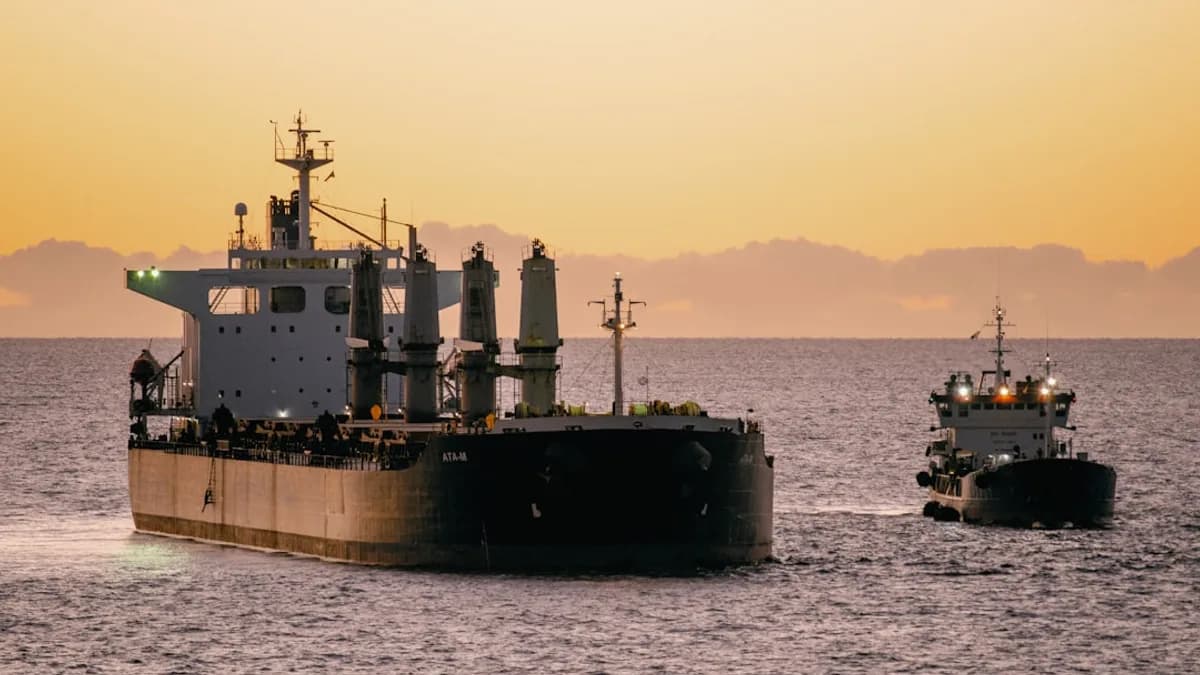
A commercial bulk carrier transiting the Gulf of Oman came under attack by several small craft just 11 nautical miles west of Sirik, Iran, early Sunday, according to Al Jazeera, citing a UK Maritime Trade Operations (UKMTO) alert. The vessel’s crew escaped unharmed and managed to avoid serious incident, with no reported injuries, casualties, or environmental damage.
The attack unfolded near one of the world’s most scrutinized maritime chokepoints, increasing concerns about the vulnerability of merchant shipping in the region. UKMTO, which tracks security threats in the Gulf and surrounding waters, confirmed that the vessel was targeted but did not specify the attackers’ motives or affiliation. The ship’s operator has not been publicly identified.
Rapid response protocols kicked in, with the crew following established procedures to deter boarding attempts. The vessel continued its voyage after the incident, and authorities have not reported any interruption to shipping traffic in the area.
Security Risks Escalate in Strategic Maritime Routes Near Iran
This latest incident sharpens the spotlight on persistent security threats along key energy and trade corridors stretching from the Strait of Hormuz into the Gulf of Oman. The route handles roughly 20% of global oil shipments—any disruption here can ripple across commodity markets and insurance pricing within hours.
Small craft attacks, often involving fast boats or skiffs, have a lengthy track record in these waters. In 2019, a string of sabotage operations and limpet mine attacks on tankers—including the Norwegian-flagged Front Altair and Japanese Kokuka Courageous—sent insurance premiums soaring and prompted a surge in naval patrols from the US, UK, and Gulf states. The methods then, as now, often involved multiple small vessels attempting to approach and board larger commercial ships, exploiting their slower speeds and limited maneuverability near the Iranian coast.
Industry sources report a spike in threat alerts since late 2023, as regional tensions flared over shipping routes shadowed by conflict in Yemen, Israeli-Iranian proxy clashes, and a surge in arms smuggling. The International Maritime Bureau’s Piracy Reporting Centre logged 18 incidents in the Gulf of Oman and northern Arabian Sea in 2025 alone, up from 11 the previous year.
Shipping companies have responded by rerouting vessels further from Iranian waters, employing armed guards, and adopting higher transit speeds. The costs add up quickly: rerouting can stretch voyage times by 1-2 days and inflate fuel bills, while war risk insurance premiums for transiting the Gulf now hover at double their 2022 levels.
Monitoring Developments and Future Maritime Safety Measures Off Iran’s Coast
UKMTO and regional naval forces are intensifying surveillance following Sunday’s attack. While the immediate threat appears contained, the incident is likely to feed into broader risk calculations for shipowners, insurers, and supply chain managers operating in the area.
Insurers already categorize the Gulf of Oman as a “high risk” zone, requiring vessels to declare transits and pay elevated premiums. After the 2019 attacks, Lloyd’s Market Association listed the region among its “Listed Areas”—a designation that triggers additional compliance requirements and can push up insurance costs by as much as 300% during periods of active conflict.
Diplomatic fallout could follow if investigations trace the small craft to Iranian state or proxy actors, potentially inviting new sanctions or military posturing. Past incidents have drawn sharp responses from Western navies and triggered multinational convoys through the International Maritime Security Construct.
For now, maritime authorities advise vessels transiting near Iran to maintain maximum alert, follow Best Management Practices 5 (BMP5) protocols, and keep constant communication with UKMTO and naval coalition forces. Real-time security updates and rapid reporting of suspicious activity remain critical, especially as commercial shipping volumes surge ahead of the summer export season.
The next days will test whether Sunday’s attack is an isolated flare-up or the start of a renewed campaign targeting shipping lanes. Any escalation could force industry players to reassess exposure, adapt routing, and reconsider insurance strategies in one of the world’s most vital maritime arteries.
Impact Analysis
- The attack highlights ongoing vulnerabilities for commercial shipping in the Gulf of Oman, a critical energy corridor.
- Incidents like this can quickly impact global oil trade and insurance costs due to the region's strategic importance.
- Persistent maritime threats increase pressure on governments and operators to enhance security protocols and international cooperation.