Introduction to the Strait of Hormuz and Its Strategic Importance
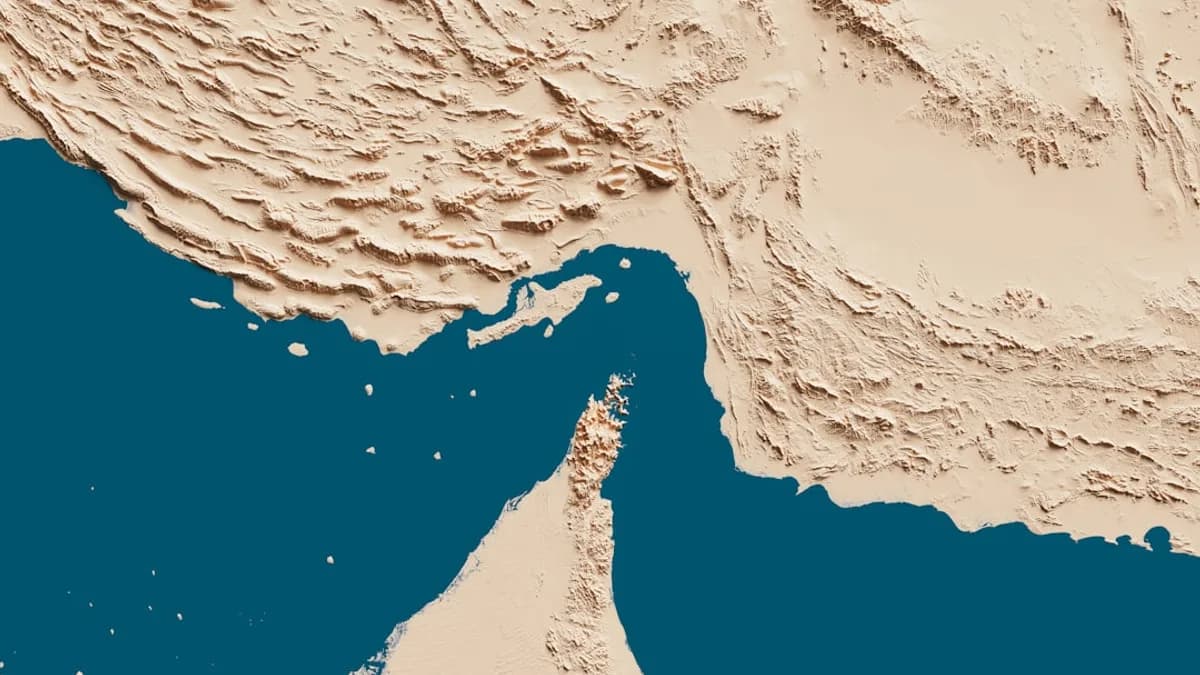
The Strait of Hormuz is one of the most important sea routes in the world. It sits between Iran and Oman, connecting the Persian Gulf to the Arabian Sea. Ships carrying oil and gas from the Middle East must pass through this narrow waterway. About one-fifth of the world’s oil travels through the Strait every day. That means what happens here can affect gas prices everywhere, from Houston to Hong Kong.
For years, the Strait has been a hotspot for tension. Iran, the United States, and many other countries keep warships nearby. Any trouble in this area can send shockwaves through global energy markets. Attacks or blockades here often lead to higher oil prices and worries about safety at sea. Recent events have made the region even tenser, with ships attacked and peace talks between the US and Iran stuck [Source: Google News].
Recent Attacks on Ships in the Strait of Hormuz: What Happened?
At least two commercial ships were attacked in the Strait of Hormuz after former President Donald Trump announced he would extend the ceasefire with Iran for an indefinite period. These attacks happened just hours after Trump’s statement, showing how quickly tensions can rise in this region. The ships targeted included a tanker flying the flag of Greece and a cargo vessel believed to be from Singapore.
Reports said gunfire and small explosions damaged the ships, but crews managed to escape serious harm. The attacks took place near the narrowest point in the Strait, where ships are most vulnerable. The timeline is clear: Trump’s ceasefire news came first, then the attacks followed. This sequence suggests the incidents may be linked to political moves between the US and Iran [Source: Google News].
Authorities scrambled to respond. Naval patrols rushed to the scene, and shipping companies started rerouting vessels to safer waters. The attacks shook traders and raised fears about more violence in the coming days. The world watched closely, knowing that any disruption here could lead to big changes in oil prices and global trade.
Understanding the Iran Ceasefire Extension and Its Context
The ceasefire between the US and Iran began as a way to stop fighting after months of threats and strikes. At first, it had clear terms: no attacks, no new sanctions, and talks on ending conflict. President Trump’s decision to extend the ceasefire without a set end date surprised many. He said this move would give diplomats more time to talk and lower the risk of war [Source: Google News].
But peace talks are stuck. Iran wants the US to end sanctions and leave the region, while the US wants Iran to stop its military actions and support for groups in the Middle East. Both sides blame each other, and trust is low. The attacks on ships have made things worse. Negotiators now have to deal with fresh anger and worry. Diplomats from Europe and Asia are pushing for calm, but progress is slow.
Trump’s extension aims to keep fighting at bay, but it also shows how hard it is to find lasting peace. Each new incident makes people doubt if talks will succeed. The world hopes for a breakthrough, but many fear more trouble is ahead.
Iran’s Role and Response: IRGC Actions and Seizure of Vessels
The Islamic Revolutionary Guard Corps (IRGC) is Iran’s main military force in the region. After the attacks, the IRGC seized two vessels in the Strait, claiming they broke Iranian laws. The ships were held at gunpoint, and crews were questioned. Iran says it wants to protect its borders and push back against US pressure [Source: Google News].
The US has a blockade in place, aiming to stop Iran from moving weapons or oil. The IRGC’s actions are seen as a challenge to this blockade and a message to the world: Iran will not back down. Officials in Tehran said the seizures were meant to show strength and warn other countries to stay out of Iranian waters.
Iran often uses the Strait to send messages. When it seizes ships or fires on vessels, it reminds the world of its power in this narrow channel. The IRGC has done this before, grabbing tankers or blocking traffic. Each time, oil prices jump and shipping companies get nervous. Iran’s moves are part of a bigger strategy to gain leverage in talks and show the US it can disrupt global trade if it wants.
Implications of the Strait of Hormuz Attacks for Regional Security and Global Markets
Attacks in the Strait of Hormuz shake the whole region and the world’s energy markets. Countries near the Strait worry about war spreading. The US and Iran are locked in a tense standoff, and each new incident raises the risk of fighting. Other Gulf states, like Saudi Arabia and the UAE, watch closely, ready to protect their own ships.
Global oil supply is at risk. If more attacks happen, shipping could stop or slow down, making oil prices jump. After the latest attacks, prices rose by 4% as traders worried about supply [Source: Google News]. Insurance rates for ships in the area went up, making it more expensive to move goods.
Shipping companies must now rethink their routes. Some may avoid the Strait, which could lead to delays and higher costs. Maritime security protocols are being reviewed, with more patrols and stricter checks. The world depends on safe passage through the Strait, so any threat is taken seriously. Experts warn that even small incidents can have big effects, disrupting trade and shaking economies.
Analysis: What These Developments Mean for Future Peace Talks and Ceasefire Prospects
The attacks and ship seizures make peace talks harder. Both sides now trust each other less. Iran sees the blockade and US moves as threats, while the US views Iran’s actions as dangerous and aggressive. Diplomats will find it tough to get both sides back to the table.
If things escalate, we could see more attacks and possibly direct fighting. That would make the region less stable and put global oil at risk. But there is also a chance for calm. International actors like the United Nations, European Union, and China are urging both sides to talk and avoid war. They could help mediate and push for new deals.
Past crises in the Strait, like the 2019 tanker attacks, led to temporary solutions but didn’t fix the root issues. This time, the stakes are higher with the ceasefire extension and new attacks. The world will watch for signs of progress, hoping leaders choose talks over conflict. The next few weeks will show if diplomacy can win or if violence will grow.
Conclusion: Navigating the Complexities of the Strait of Hormuz Conflict
The Strait of Hormuz remains a flashpoint for global trade and security. Recent attacks and ship seizures show how fragile calm is in this area. Trump’s ceasefire extension was meant to lower tensions, but it also sparked new incidents [Source: Google News]. The actions of Iran and the IRGC raise big questions for the future.
Watching the Strait is vital for anyone who cares about energy prices, shipping, or international peace. Diplomats, traders, and leaders will need to stay alert and keep pushing for talks. The hope is for stability, but the risk of more trouble is real. The next steps will decide if the Strait stays open and safe or becomes even more dangerous for the world.
Why It Matters
- Disruptions in the Strait of Hormuz can drive up global oil and gas prices.
- Attacks on ships highlight the ongoing risks to international trade and energy security.
- Political tensions in the region can escalate quickly, affecting global markets and stability.